

News
LIFE IN A DROP – a Year in the Lake’s Hidden World
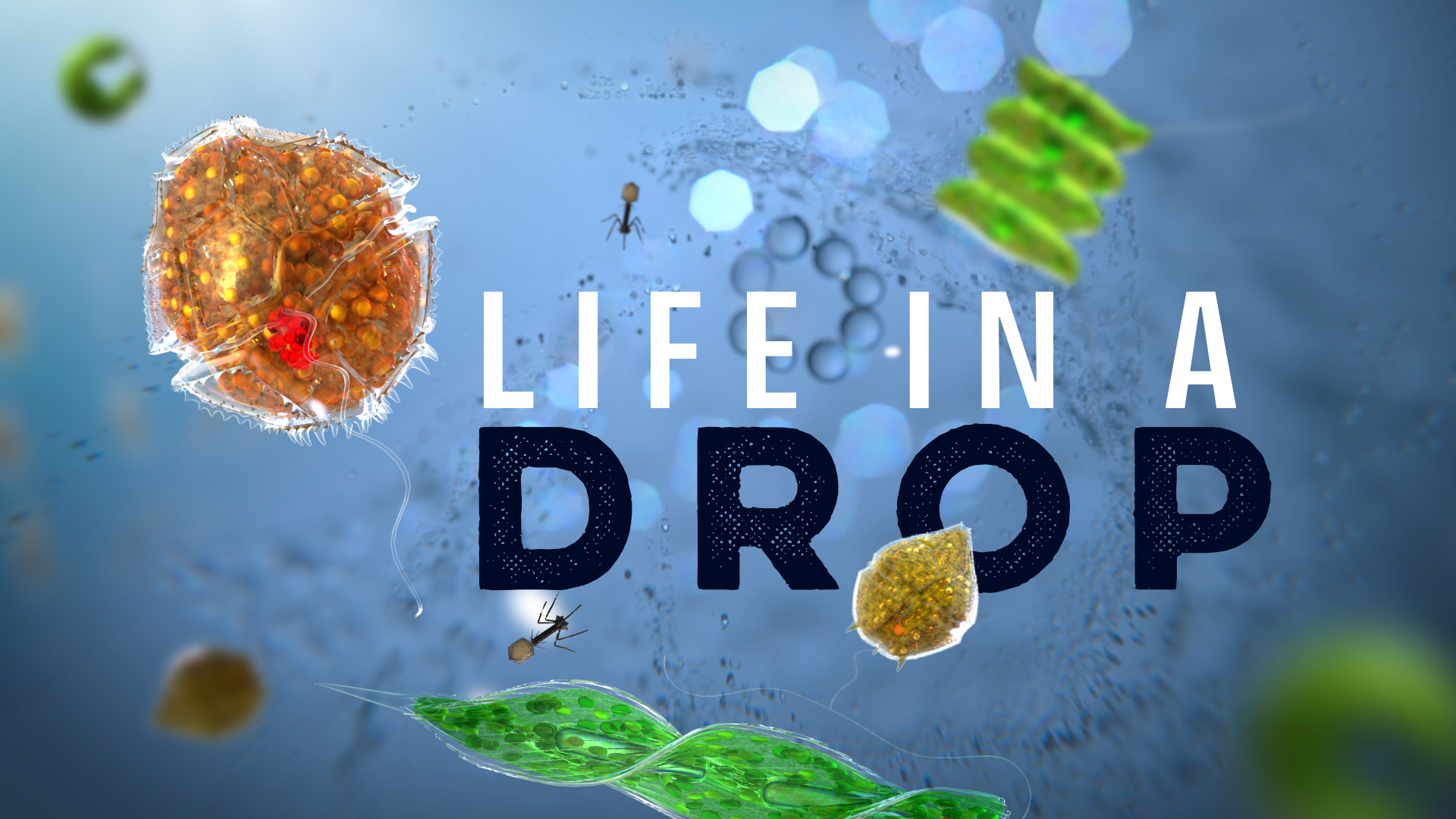
Life in a Drop is a science communication film that takes viewers into the invisible world of lake life. Over the course of a full year, it follows the transformation of plankton communities: from the winter world beneath the ice, through the changes of spring and the algal blooms of summer, to autumn and the return of winter.

Professor Josef Settele has passed away
Professor Josef SETTELE, a member of the External Advisory Board of the HUN-REN Centre for Ecological Research, unexpectedly passed away on 9 October 2026.

Cleaner water does not always mean ecological recovery in rivers
A global synthesis of long-term data from 413 river basins shows that nutrient levels have declined in many European rivers, but biological recovery has not always followed. The study, conducted with the participation of researchers from the HUN-REN Centre for Ecological Research, highlights the need to monitor biological change alongside improvements in water chemistry.
Garden ponds hide unseen biodiversity, but fish decide who thrives
As cities grow, artificial water bodies are slowly replacing natural ones. Among the most numerous but least studied are the garden ponds, which can be found by the millions in private gardens. A new study from […]
Warming can shift freshwater crustaceans to a ‘greener’ diet
A new study led by researchers at HUN-REN Centre for Ecological Research in an international collaboration with Queen Mary University of London shows that rising water temperatures can shift the diet of an invasive crustacean from […]
International biodiversity experts met in Budapest for consultations organized by the Centre for Ecological Research
The HUN-REN Centre for Ecological Research organized a regional CO-OP4CBD workshop and networking session in Budapest, in collaboration with the Muséum National d’Histoire Naturelle (France) and the support of the Ministry for the Living Environment. The […]

Urbanization-related changes in the song of European songbirds
Urbanization is rapidly transforming natural habitats and poses growing challenges for wildlife. One lesser-known consequence is its potential impact on bird song, which plays a crucial role in communication, reproduction, and survival. In a new study […]
Where do Hungarian citizen science data come from?
Citizen science projects are playing an increasingly important role in ecological and conservation research worldwide. In these programs, members of the public support researchers by submitting photographs, audio recordings, observations, or even by contributing to data […]
Elongated canopy gaps may best support the natural regeneration of oak forest
As climate change intensifies, one of the key challenges facing forestry is how to balance efficient timber production with the preservation of forests’ climate-regulating functions, biodiversity and resilience. The growing public demand for recreation in forests, […]
“Silent” invasion of a widespread freshwater jellyfish across Europe
A new study published in the journal People and Nature reveals a significant gap in public awareness regarding one of the world’s most widespread invasive species: the freshwater jellyfish Craspedacusta sowerbii. Despite being present on six continents and well-documented […]
The chemical “fingerprint” of water shapes the hidden microbial world of lakes
Not only the salinity of water, but also the composition of dissolved ions plays a key role in shaping the structure of bacterial communities living in lakes. These aquatic bacteria are essential for nutrient cycling and […]
AI species evolving like organisms may soon emerge – and create risks
Evolutionary biology holds clues for the future of AI, argue researchers from the HUN-REN Centre for Ecological Research, Eötvös Loránd University, and the Royal Flemish Academy of Belgium for Science and the Arts. In a new […]

Statement on the Future of the HUN-REN Hungarian Research Network
In connection with the objective set out in the government program — “We will restore the autonomy of science. We will prepare a new, transparent law that reinstates the professional independence of the MTA (Hungarian Academy […]
The nucleus may have been the necessary prerequisite/missing link for the acquisition of mitochondria by eukaryotes
This paper elaborates on the issues of microbial endosymbiosis stemming from conflict of interest and how multilevel selection can solve it once central control is gained by the host – given it has a nucleus. This […]
When a key resource disappears: what wood ant networks can teach us
At first glance, the world of ants may seem far removed from our everyday lives. Yet, on closer inspection, they often face surprisingly similar challenges. They live in complex societies where the functioning of a colony […]
Bee hotels in research – a new protocol to study wild bees and wasps
Solitary wild bees and wasps play a key role in ecosystem functioning – both as pollinators and as biological pest control agents. Yet we still know surprisingly little about the life history, population dynamics and ecological […]
Mosquito monitoring through sound – implications for AI species recognition
AI algorithms are increasingly developed to monitor vector populations based on either photos or sounds. However, the real-life accuracy of the models is highly dependent on the training data. Unfortunately, training data is still limited, both […]
Reeds Over Concrete: Most People Want a Natural Lake Balaton
Researchers from the HUN-REN Centre for Ecological Research and the HUN-REN Balaton Limnological Research Institute* explored what different people value at Lake Balaton and its shores. Based on a survey of 1,500 people — including local […]