








News
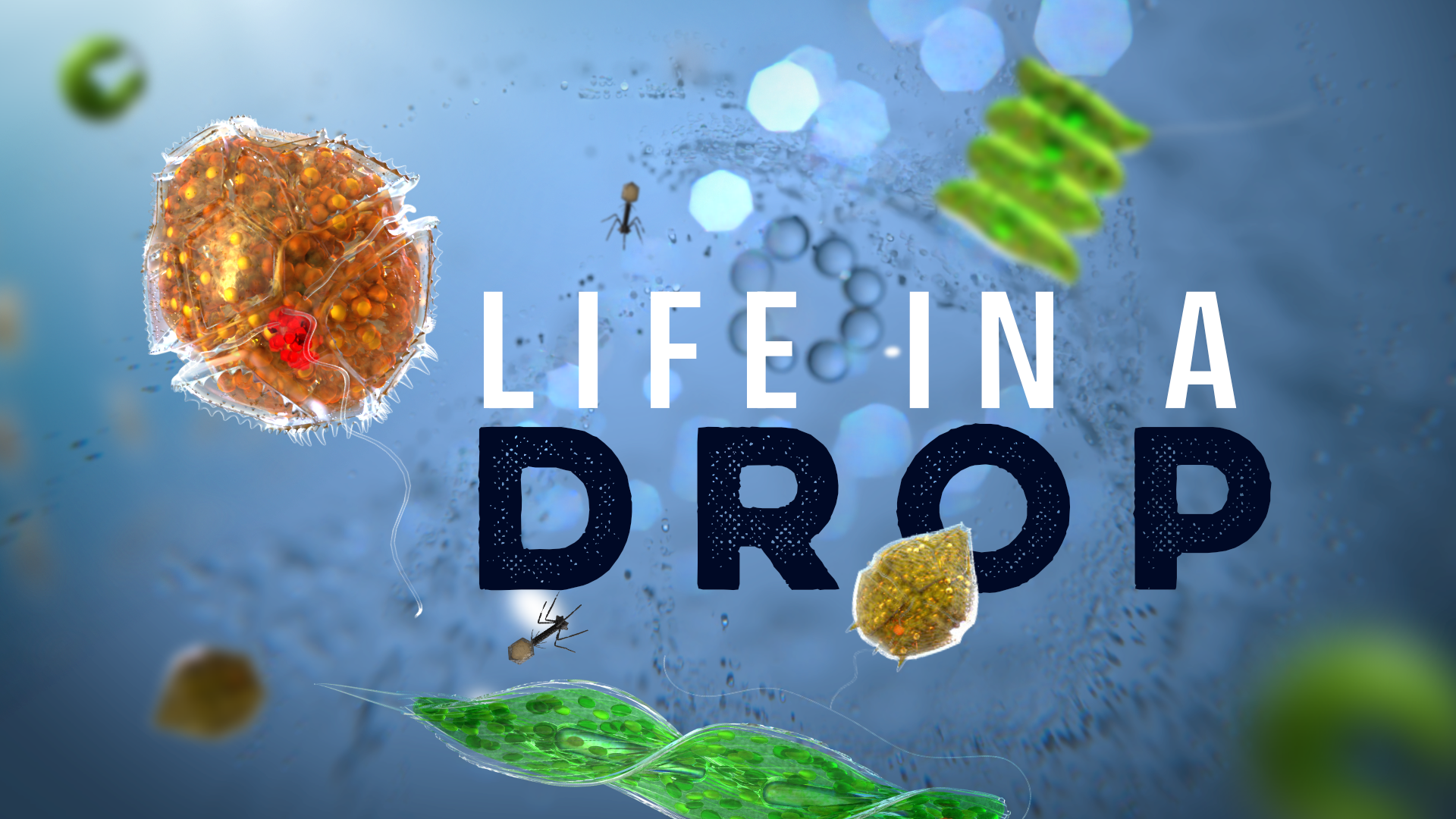
LIFE IN A DROP – a Year in the Lake’s Hidden World
Life in a Drop is a science communication film that takes viewers into the invisible world of lake life. Over the course of a full year, it follows the transformation of plankton communities: from the winter world beneath the ice, through the changes of spring and the algal blooms of summer, to autumn and the return of winter.

LIFE IN A DROP – a Year in the Lake’s Hidden World
Life in a Drop is a science communication film that takes viewers into the invisible world of lake life. Over the course of a full year, it follows the transformation of plankton communities: from the winter world beneath the ice, through the changes of spring and the algal blooms of summer, to autumn and the return of winter.
Professor Josef Settele has passed away
Professor Josef SETTELE, a member of the External Advisory Board of the HUN-REN Centre for Ecological Research, unexpectedly passed away on 9 October 2026.

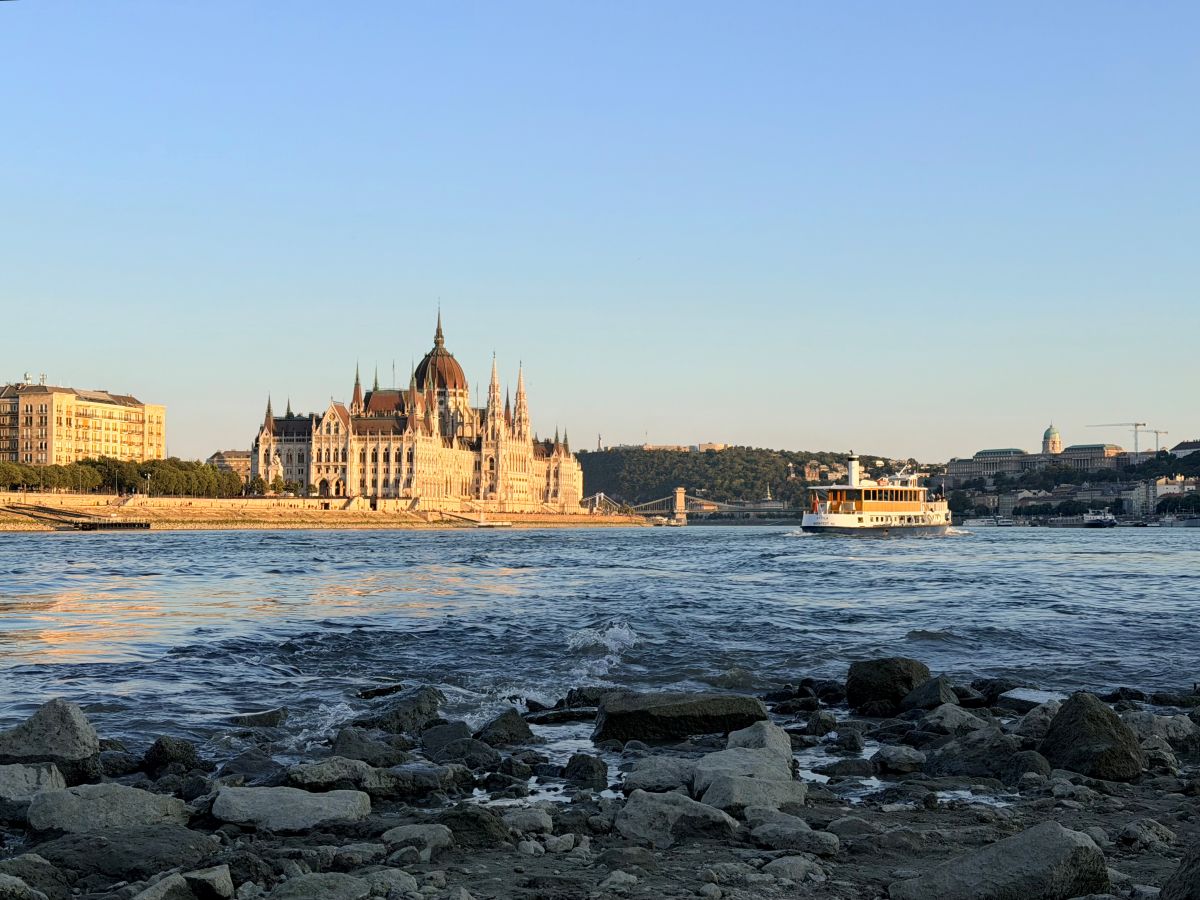
Cleaner water does not always mean ecological recovery in rivers
A global synthesis of long-term data from 413 river basins shows that nutrient levels have declined in many European rivers, but biological recovery has not always followed. The study, conducted with the participation of researchers from the HUN-REN Centre for Ecological Research, highlights the need to monitor biological change alongside improvements in water chemistry.
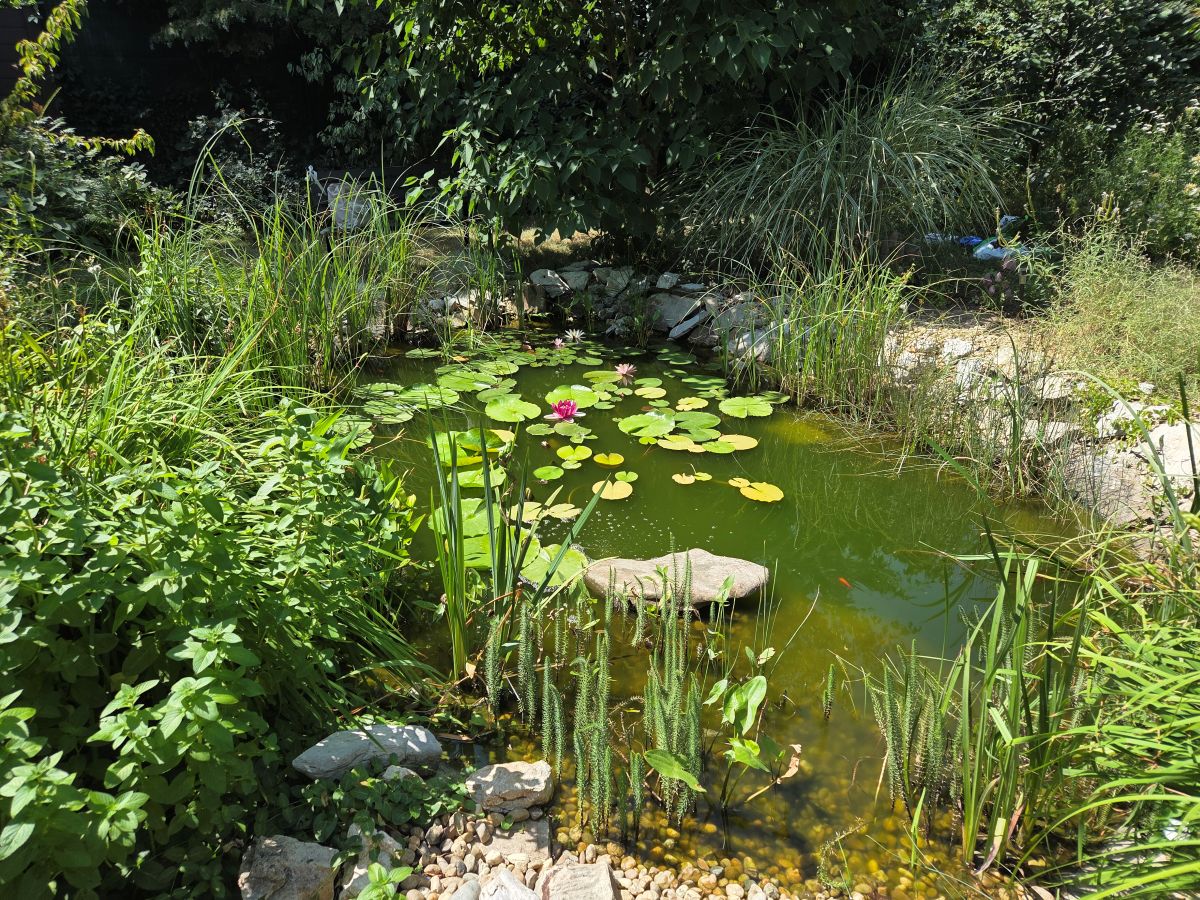
Garden ponds hide unseen biodiversity, but fish decide who thrives
As cities grow, artificial water bodies are slowly replacing natural ones. Among the most numerous but least studied are the garden ponds, which can be found by the millions in private gardens. A new study from […]
Mission
Our main mission is to conduct high-quality research on biodiversity and ecosystems, including aquatic and terrestrial life. Our centre is primarily dedicated to ecological research, but many of our studies are related to the impact of agriculture and forestry on biodiversity, traditional ecological knowledge or interdisciplinary topics.
We are working hard to integrate institutes and disciplines, as it is difficult to tackle complex environmental challenges in isolation. In addition to research, we are committed to building bridges between science and society, and thus are involved in EU and global policy development.

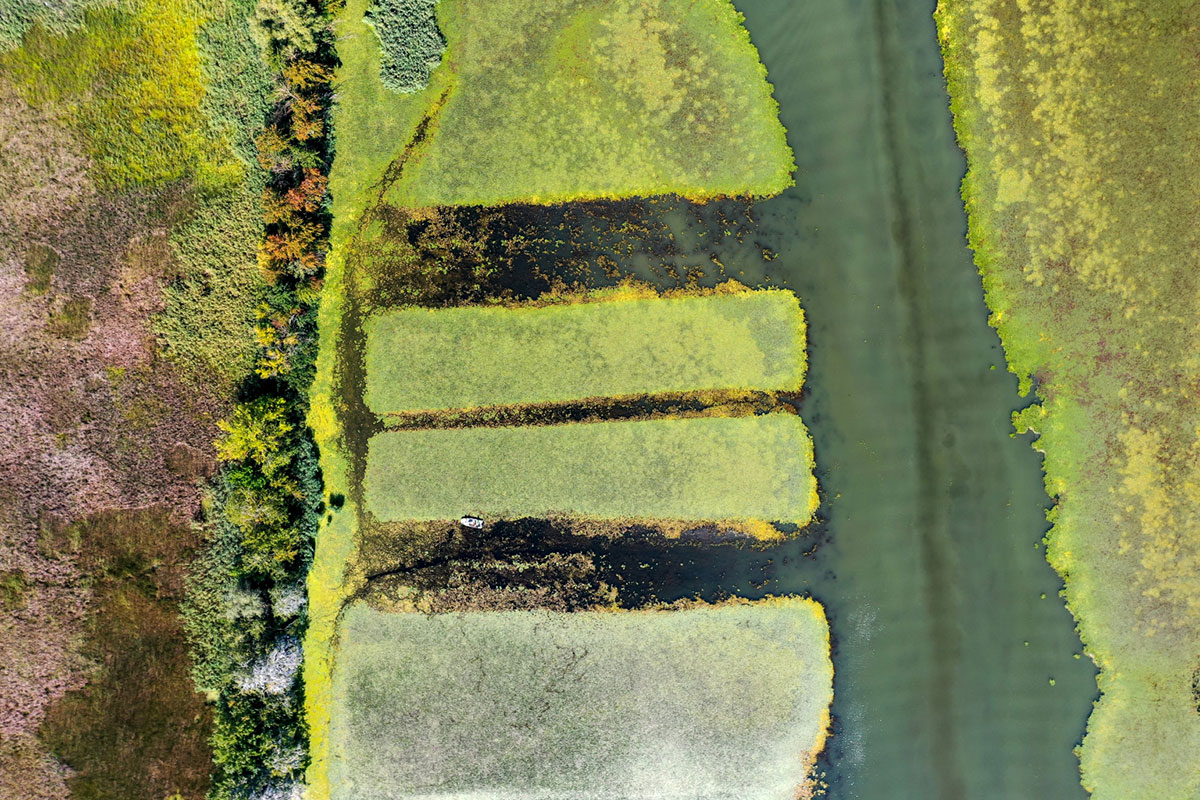

The Institute of Aquatic Ecology is the largest scientific centre in Hungary which considers its mission to be the outstanding regional engagement in the field of aquatic ecology and its co-studies, and to establish and represent international research trends in Hungary. The Institute’s primary mission is to conduct basic research, with a special focus on integrative, systems ecology approaches to climate change, invasions and anthropogenic impacts on water, thus contributing to the maintenance and improvement of the ecological status of our domestic waters.
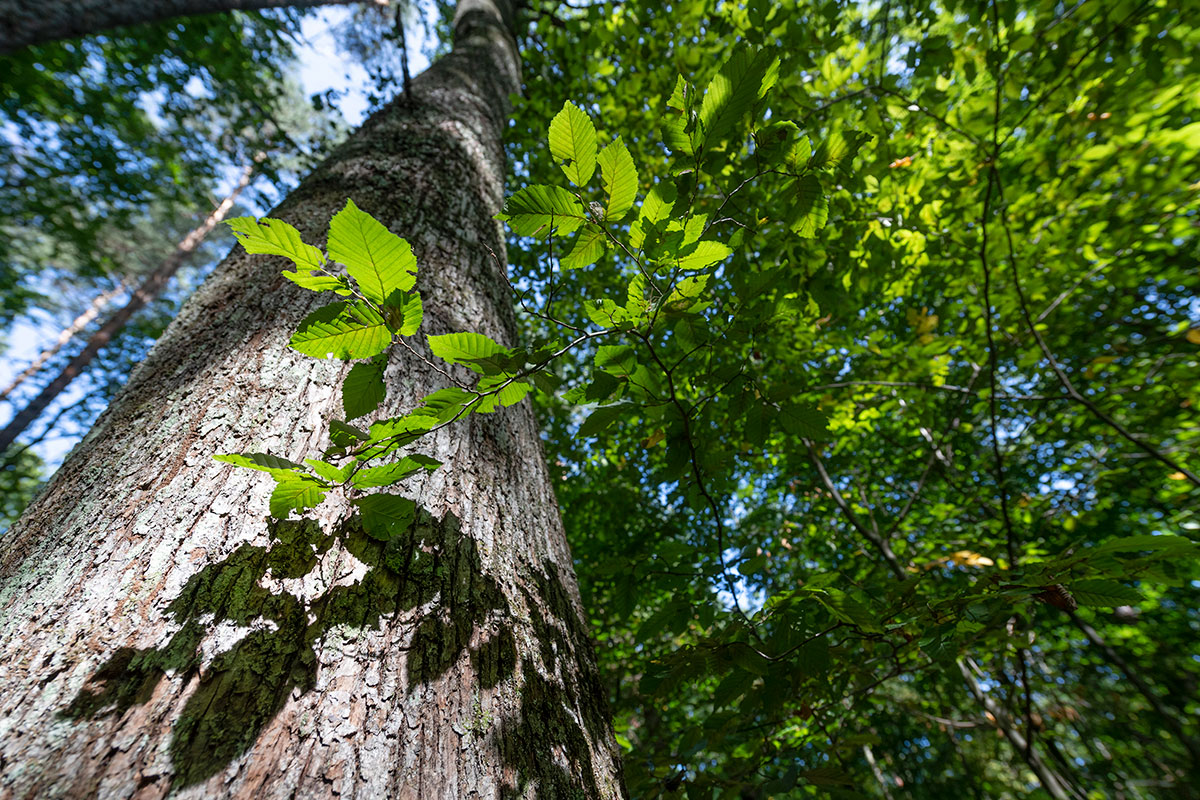

The Institute of Ecology and Botany seeks to propose scientific solutions to the environmental challenges of our time, such as land-use change, habitat degradation, climate change, urbanisation, the effects of intensive agriculture, invasions, and the emergence of new diseases. The Institute’s nearly 80 researchers, organised in research groups, work on a wide range of organism groups and habitats, using a variety of methodological approaches. In addition to its basic research activities, the institute carries out a number of public monitoring and applied research activities.


The Institute of Evolution is the largest theoretical evolutionary biology scientific centre in Hungary, with research interests spanning all levels of biological organisation. We investigate the origin of life, transitions in evolution involving large increases in complexity (including the origin of human language and cooperation), evolutionary aspects of neural networks, the relationship between learning and evolution, and evolutionary-ecological processes, with a particular focus on the dynamics of emerging infectious diseases under the impact of climate change.
Priority publications
Orenibi E, Illés Á, Sandil S, Endrédi A, Szekeres J, Dobosy P, Záray G Temporal and spatial distribution of inorganic fluoride, total adsorbable organofluorine, PFOA and PFOS concentrations in the Hungarian section of the Danube River Journal of Hazardous Materials 485: 136820.
2025

Löki V, Nagy J, Neményi Z, Nagy A, Hagyó A, Vitál Z, Mozsár A, Reynolds SJ, Lukács BA Long-term perceptions of freshwater anglers about abandoned, lost or discarded fishing gear during their fishing careers Ecological Solutions and Evidence 6: e70123.
2025
Horváth Z, Uhrin M, Cunillera-Montcusí D, Barta B, Szabó B, Hamer AJ, Márton Z, Huỳnh T-H, Buttyán B, Vad CF Urban ponds and the emerging role of garden ponds: Ecosystem services and disservices, multifunctionality, and trade-offs Wiley Interdisciplinary Reviews: Water 12: e70041.
2025
Borics G, Lerf V, Falucskai J, B-Béres V, Kisantal T, Tóth I, T-Krasznai E, Stanković I, Görgényi J, Lukács Á, Várbíró G Projected area calculation for microalgae using three-dimensional models Freshwater Biology 70: e70145
2025
Piross, I.S.; Lecheval, V.; Powell, S.; Donaldson-Matasci, M.C.; Robinson, E.J.H. Strong and weak environmental perturbations cause contrasting restructure of ant transportation networks PROCEEDINGS OF THE ROYAL SOCIETY B-BIOLOGICAL SCIENCES
2025

Garamszegi, László Zsolt; Soltész, Zoltán; Szentiványi, Tamara; Kurucz, Kornélia; Nagy, Gergely; Bede-Fazekas, Ákos. Identifying ecological factors mediating the spread of three invasive mosquito species: citizen science informed prediction JOURNAL OF PEST SCIENCE
2025
Lakatos, Tamás; Báldi, András; Benkő, Zoltán; Gallé, Róbert; Korányi, Dávid; Kovács, István; László, Zoltán; Purger, Jenő J.; Sándor, Krisztina; Seress, Gábor; Urák, István; Batáry, Péter. Landscape complexity and edge effects shape bird community composition and filter functional traits in villages ECOLOGICAL INDICATORS
2025
Barta Barbara; Márton Zsuzsanna; Szabó Beáta; Vad Csaba F.; Lukács Balázs András; Horváth Zsófia. Garden Ponds: Hidden Sources for Plant Invasions? FRESHWATER BIOLOGY, 70 : 12. Paper: e70145 (2025)
2025
Ónodi Gábor; Kertész Miklós; Bede‐Fazekas Ákos; Batáry Péter; Kröel‐Dulay György; Botta‐Dukát Zoltán. Decline in plant species richness with a chronic decrease of precipitation: The mediating role of the dominant species JOURNAL OF ECOLOGY, 113 : 3. pp. 621-634. (2025)
2025
Batáry Péter; Gallé Róbert; Korányi Dávid; Lakatos Tamás; Deák Balázs; Gallé-Szpisjak Nikolett; Kabai Melinda; Koszta Csaba; Kotowska Dorota; Marja Riho; Palotás Brigitta; Szabó Borbála; Torma Attila; Báldi András; Hornung Erzsébet; László Zoltán; Molnár Zsolt; Purger Jenő J.; Seress Gábor; Urák István; Purger Dragica; Sándor Krisztina; Somay László; Süle Gabriella; Valkó Orsolya; Zsigmond Andreea Rebeka; Fischer Christina; Marini Lorenzo; Tscharntke Teja; Szitár Katalin; Török Edina. Biodiversity and human well-being trade-offs and synergies in villages NATURE SUSTAINABILITY, 8 : 8. pp. 894-904. (2025)
2025
Jiménez-Martín Iciar; Green Andy J; Szabó Nándor; Lukács Balázs András; Vincze Orsolya; Lovas-Kiss Ádám. Better out than in: faecal matrix inhibits establishment success after waterfowl endozoochory ANNALS OF BOTANY, 136 : 7. pp. 1601-1611. (2025)
2025
Deák Balázs; Bede-Fazekas Ákos; Süveges Kristóf; Tölgyesi Csaba; Kelemen András; Bede Ádám; Borza Sándor; Godó Laura; Valkó Orsolya. Ancient mounds, modern refuges: Out-of-production sites on kurgans support rare weeds in agricultural landscapes AGRICULTURE ECOSYSTEMS & ENVIRONMENT, 394. Paper: 109902 (2025)
2025
Csecserits Anikó; Berki Boglárka; Csákvári Edina; Halassy Melinda; Mártonffy András; Rédei Tamás; Szitár Katalin; Botta‐Dukát Zoltán. Similarity in Persistence Traits Is Important for CoExistence With Perennial Invasive Asclepias syriaca but Not Annual Invasive Conyza canadensis JOURNAL OF VEGETATION SCIENCE, 36 : 6. Paper: e70081 (2025)
2025
Godó, L., Valkó, O., Borza, S., Ferencz, A., Kiss, R., Lukács, K., Deák, B. Effects of mound building and caching by steppe mouse (Mus spicilegus Petényi) on the vegetation in agroecosystems. Agriculture, Ecosystems and Environment 379: 109359.
2025
Süle Gabriella; Báldi András; Kleijn David; Steffan‐Dewenter Ingolf; Venn Stephen; Goulson Dave; Dietzel Simon; Muratet Audrey; Cole Lorna J.; Öckinger Erik; Tzortzakaki Olga; Banaszak‐Cibicka Weronika; Betz Oliver; Blackmore Lorna M.; Dylewski Łukasz; Fontaine Benoît; Fournier Bertrand; Geppert Costanza; Griffiths‐Lee Janine; Hawthorn Catriona; Holzschuh Andrea; Horák Jakub; Horstmann Svenja; Hoyle Helen; Kati Vassiliki; Kovács‐Hostyánszki Anikó; Marini Lorenzo; Michelot‐Antalik Alice; Moretti Marco; Norton Briony A.; Phillips Benjamin B.; Plećaš Milan; Rada Patrik; Sárospataki Miklós; Schulze Sonja; Shwartz Assaf; Unterweger Philipp; Szigeti Viktor. Pollinator‐Promoting Interventions in European Urban Habitats – A Synthesis ECOLOGY LETTERS, 28 : 8, Paper e70189 (2025)
2025
Bede‐Fazekas, Ákos; Somodi, Imelda. Precipitation and temperature timings underlying bioclimatic variables rearrange under climate change globally GLOBAL CHANGE BIOLOGY
2024
Davín, A.A., Woodcroft, B.J. Soo, R.M., Benoit Morel, B., ..., Szöllősi, G.J. A geological timescale for bacterial evolution and oxygen adaptation Science 388:eadp1853
2025

Vörös Márton; Bede‐Fazekas Ákos; Crecco Lorenzo; Deák Balázs; Gyalus Adrienn; Schmotzer András; Valkó Orsolya; Halassy Melinda; Somodi Imelda. Potential vegetation estimations help to assess feasibility and expected effort needed in grassland restoration by shrub removal RESTORATION ECOLOGY, Paper: e70037 (2025)
2025
Bölöni János; Aszalós Réka; Ódor Péter. Lack of large-diameter living trees and low structural diversity characterise managed dry-mesic oak forests in the Hungarian Carpathians FOREST ECOLOGY AND MANAGEMENT, 586, Paper: 122706 (2025)
2025
MÁRTON Zsuzsanna; BARTA Barbara; VAD Csaba F.; SZABÓ Beáta; HAMER Andrew J.; KARDOS Vivien; LASKAI Csilla; FIERPASZ Ádám; HORVÁTH Zsófia. Effects of urbanisation, habitat characteristics, and management on garden pond biodiversity: Findings from a large-scale citizen science survey LANDSCAPE AND URBAN PLANNING, 257, Paper: 105299 (2025)
2025
Tinya Flóra; Csépányi Péter; Horváth Csenge Veronika; Kovács Bence; Németh Csaba; Ódor Péter. Fine-scale interventions can reinforce the forest character of the understory vegetation – The effects of different artificial gaps in an oak-dominated forest FOREST ECOLOGY AND MANAGEMENT, 578, Paper: 122471 (2025)
2025
Morel B.; Williams T.A.; Stamatakis A.; Szöllosi G.J. AleRax: a tool for gene and species tree co-estimation and reconciliation under a probabilistic model of gene duplication, transfer, and loss BIOINFORMATICS, 40 : 4. Paper: 162 (2024)
2024
Czárán Tamás; Scheuring István; Zachar István; Számadó Szabolcs. Cue-driven microbial cooperation and communication: evolving quorum sensing with honest signaling BMC BIOLOGY, 22 : 1. Paper: 73 (2024)
2024
Károlyi Adél; Scheuring István. Cooperation in public goods game does not require assortment and depends on population density JOURNAL OF EVOLUTIONARY BIOLOGY, Paper: voae029 (2024)
2024
Paczkó Mátyás; Vörös Dániel; Szabó Péter; Jékely Gáspár; Szathmáry Eörs; Szilágyi András. A neural network-based model framework for cell-fate decisions and development COMMUNICATIONS BIOLOGY, 7 : 1. Paper: 323 (2024)
2024
Projects in the spotlight
Increasing the ecological sustainability of oak forests by close-to-nature forestry based on experimental research (#oakadapt)
Central European oak dominated forests have been used for centuries and currently exhibit serious biodiversity decline associated with global environmental changes. Nonetheless, they preserve considerable natural capital. They have a key role in the timber provisioning […]

Complex dispersal networks of wetlands
National Multidisciplinary Laboratory for Climate Change
National Laboratory for Water Science and Water Security
National Laboratory for Health Security – Invasion Biology Division
Az evolúció fényében: elvek és megoldások
Evolúció és tanulás

The need for a paradigm shift in the field of nature conservation: the importnace of the impact of landscape structure on biodiversity patterns and functions
Both the intensification of agriculture and increasing urbanisation lead to the degradation of natural habitats, negatively impacting wildlife and their ecosystem functions (e.g., pollination of plants). However, these effects not only occur locally but can also […]
HAS Lendület (“Momentum”) 2019: Vegetation and seed bank dynamics
Our research group aims to find solutions for the long-term maintenance of the biodiversity and functioning of grassland ecosystems by learning about the role of seeds in ecosystems. Grasslands are particularly species-rich and diverse communities that […]
Biodiversity in the grips of agriculture and urbanisation
One of the leading causes of biodiversity loss is land-use change, associated with habitat loss and degradation. Sustainable development requires a nature conservation strategy that takes into account the landscape as a whole. It is essential […]