
Lendület Táj és Természetvédelmi Ökológiai Kutatócsoport

Research groups

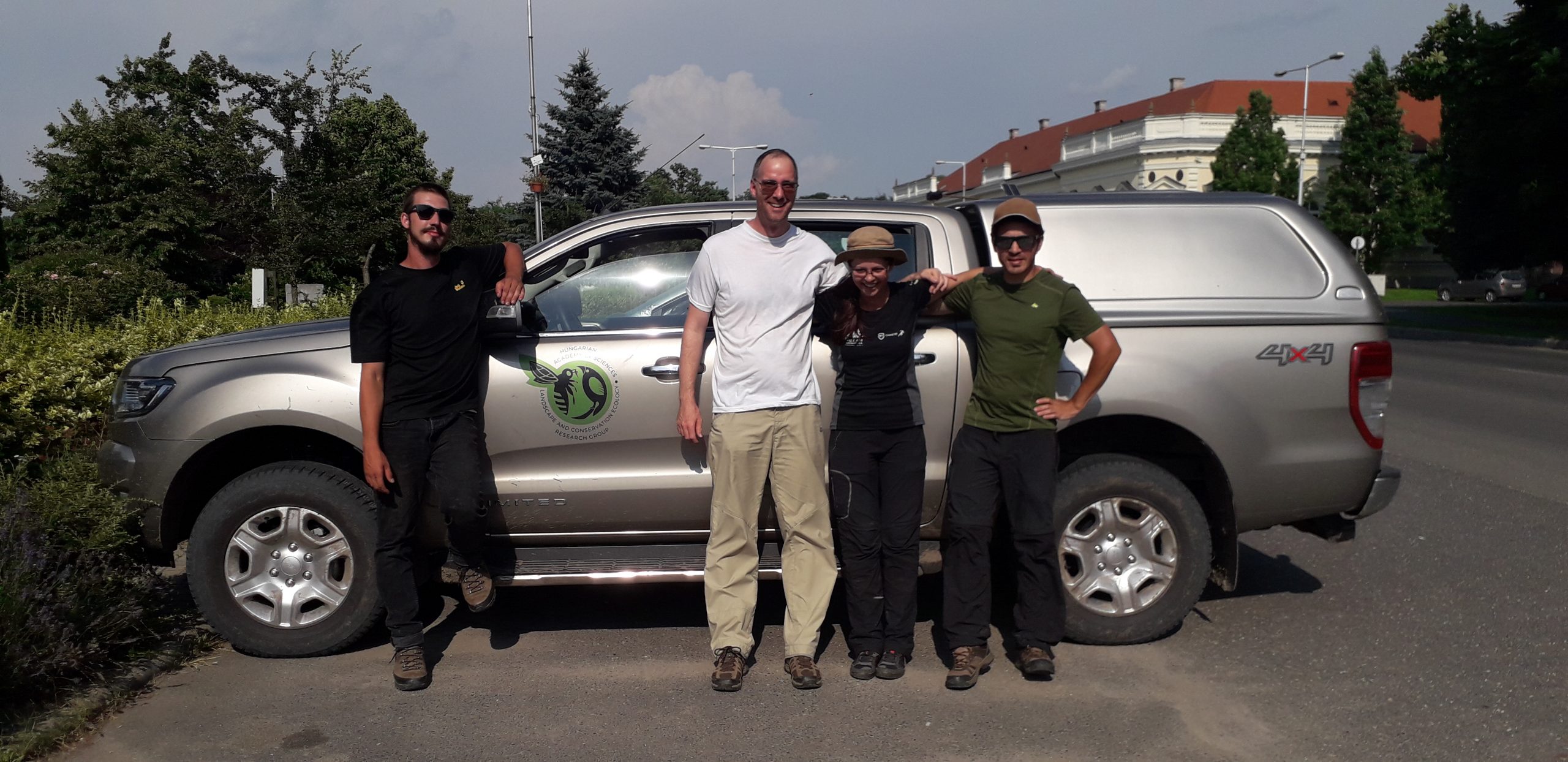
Lendület Landscape and Conservation Ecology Research Group

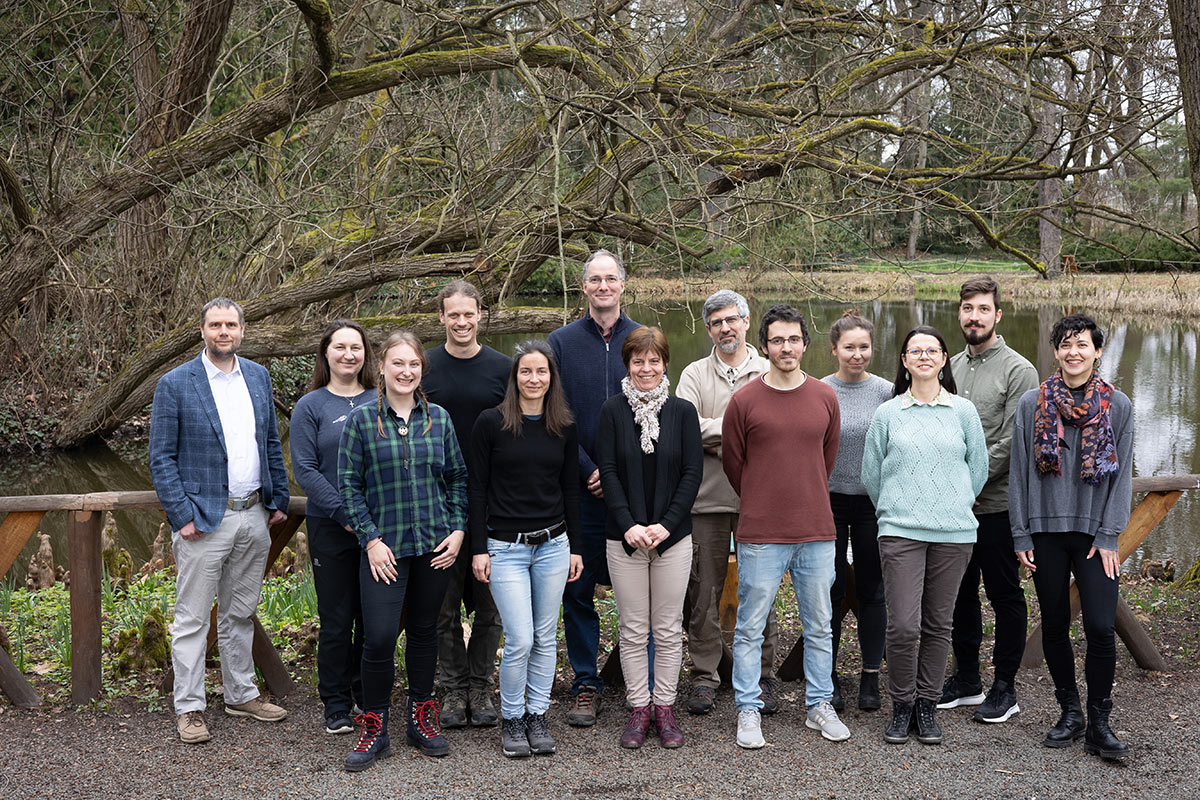
Head of the research group:

Team Leader, Scientific Advisor

Members of the research group:

Main profile:

https://lace.ecolres.hu

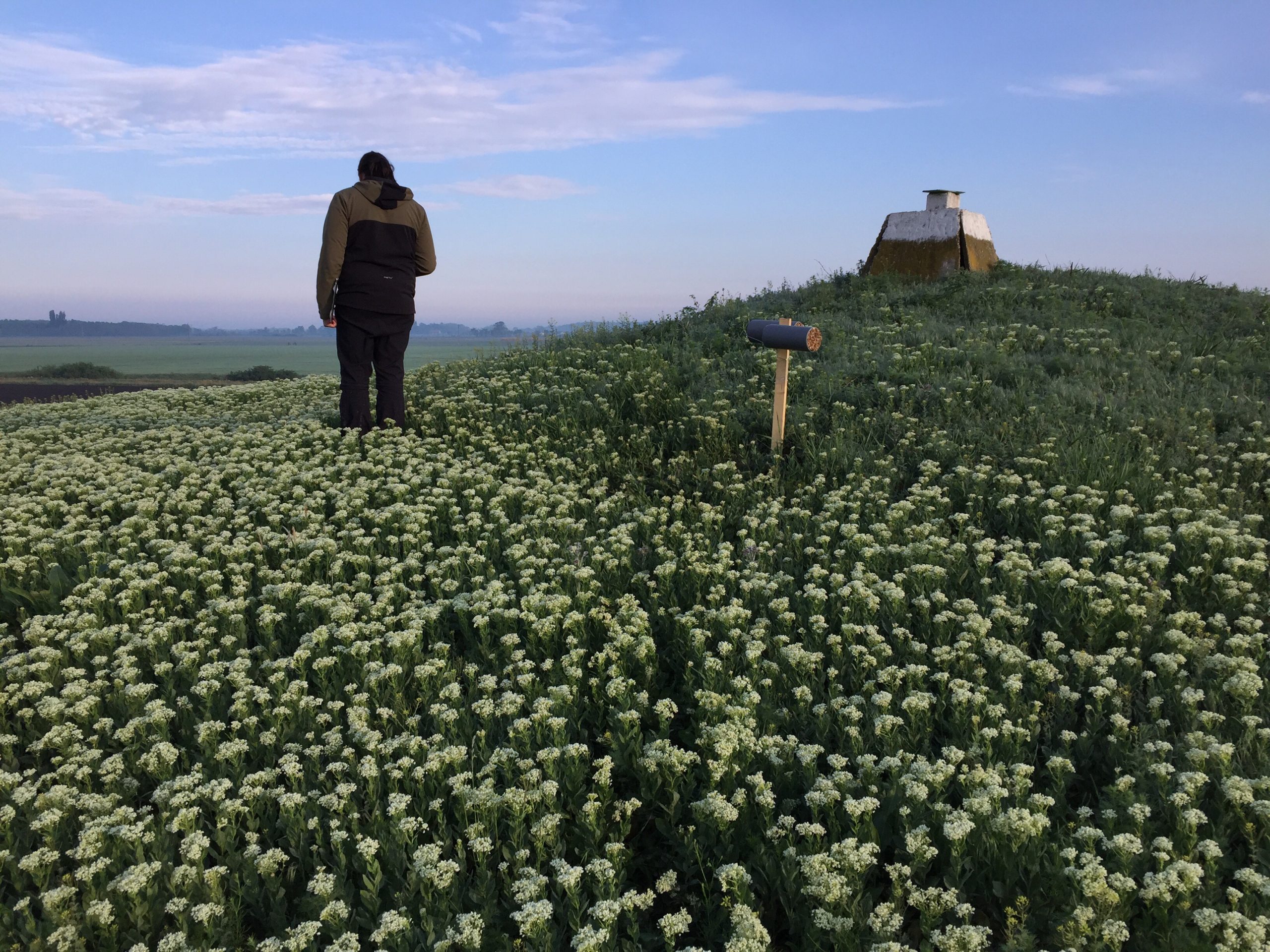
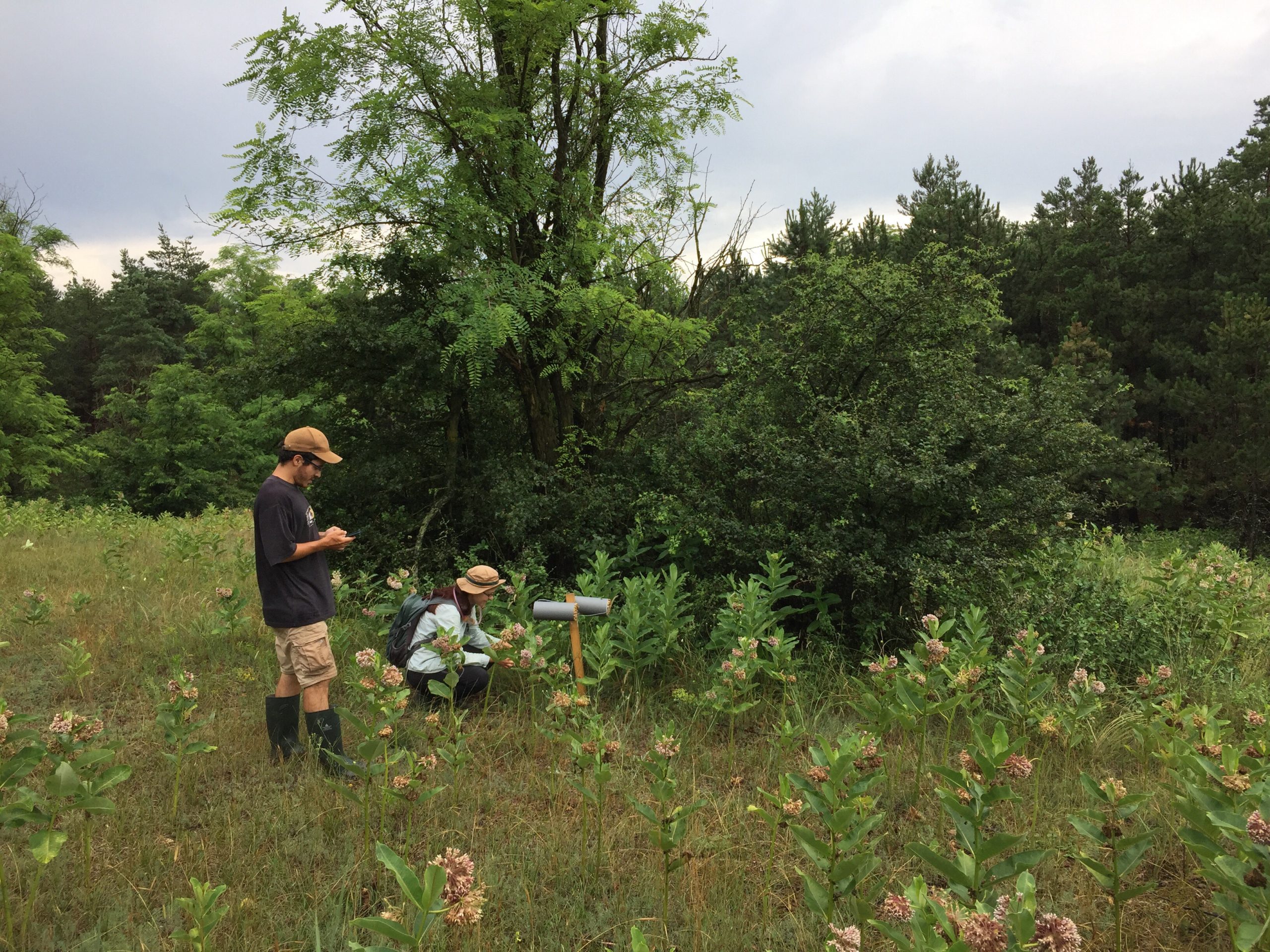
Both agricultural intensification and urbanisation result in habitat degradation, which negatively affects biodiversity and ecosystem functions. Biodiversity conservation cannot rely on protected areas alone, as sustainable conservation requires strategies for managing whole landscapes including agricultural and urban areas. Thus species persistence in human-altered landscapes can depend on factors operating at multiple spatial scales. At the landscape scale, however, it is necessary to differentiate between two major types of landscape structure, the landscape compositional heterogeneity and the landscape configurational heterogeneity, in order to better inform nature conservation policies. The overall aim of this research proposal is to understand how the complexity of landscape structure shapes biodiversity patterns and associated ecosystem functions and services. This project will investigate the contribution of major land-use types (arable, grassland, forest, urban area) to the biodiversity and provision of ecosystem functions considering species traits. The results will be evaluated in a wider socioeconomic context. The project will give a momentum to the emerging landscape-scale conservation ecology research in Hungary with articles published in top ecological and multidisciplinary journals, as well as, with strong relevance for nature conservation and environmental policy.
Projects

SHOWCASE: SHOWCASing synergies between agriculture, biodiversity and Ecosystem services to help farmers capitalising on native biodiversity

Planned duration: 2020-2025
Amount of support: 225.280 EUR

Biodiversity in the grips of agriculture and urbanisation

Lead researcher: Batáry, Péter
Planned duration: 2020-2025
Amount of support: 269 864 000 Ft
One of the leading causes of biodiversity loss is land-use change, associated with habitat loss and degradation. Sustainable development requires a nature conservation strategy that takes into account the landscape as a whole. It is essential […]
Másodlagos élőhelyek és kis élőhelyfoltok szerepe a diverzitás megőrzésében

Planned duration: 2018-2022
Amount of support: 16.630.086 Ft

UrbanBEE – Promoting Biodiversity, Ecosystem Services and Societal Engagement Across Diverse Urban Ecosystems

Lead researcher: Török, Edina, Marja, Riho
Planned duration: 2025-2028
Amount of support: 94 091 937 Ft
Urban development poses significant challenges worldwide: cities in the Global North struggle with the legacy of industrialization and urban sprawl, while cities in the Global South face rapid population growth and severe socio-economic inequalities. In both […]

SEPPI – Standardized European monitoring of Plant-Pollinator Interactions

Lead researcher: Batáry, Péter
Planned duration: 2024-2027
Amount of support: 57 825 000 Ft
Interactions between plants and pollinators shape how both respond to environmental drivers, and are critical to our food security and for maintaining ecosystem services offered by wild plants. A standardized monitoring throughout Europe would allow for […]

SAFER - Strengthening Agricultural landscape multiFunctionality through expansion of agroecological farming in EuRope

Lead researcher: Batáry, Péter
Planned duration: 2025-2028
Amount of support: 46 200 000 Ft
Redesigning agri-food systems to meet ongoing environmental and socioeconomic challenges is a major issue in Europe, as emphasized by the European Green Deal and its underlying strategies. Agroecology offers a unique opportunity to reconcile agricultural production […]

MTA HUN-REN LENDÜLET – Sustainable development in cities and villages

Lead researcher: Batáry, Péter
Planned duration: 2025-2030
Amount of support: 235 325 000 Ft
The “Lendület” Landscape and Conservation Ecology group aims to address the environmental impacts of urbanisation on biodiversity and ecosystem services by expanding conservation efforts to encompass urban regions and entire landscapes. While urban green spaces are […]

Diversity under the sun: can solar parks support biodiversity and ecosystem services?

Lead researcher: Gallé, Róbert
Planned duration: 2022-2026
Amount of support: 41 984 000 Ft
Large grassland areas are converted to arable fields or less productive ones are degraded through grassland abandonment. This land-use change and habitat loss are among the primary drivers of grassland biodiversity decline. Mitigating these processes requires […]

The need for a paradigm shift in the field of nature conservation: the importnace of the impact of landscape structure on biodiversity patterns and functions

Lead researcher:
Planned duration: 2018-2022
Amount of support: 254.416.720 Ft
Both the intensification of agriculture and increasing urbanisation lead to the degradation of natural habitats, negatively impacting wildlife and their ecosystem functions (e.g., pollination of plants). However, these effects not only occur locally but can also […]