

Assessment and mapping of ecosystem services
Thematic working group leader:
Koncz, Péter, PhD
Activities:
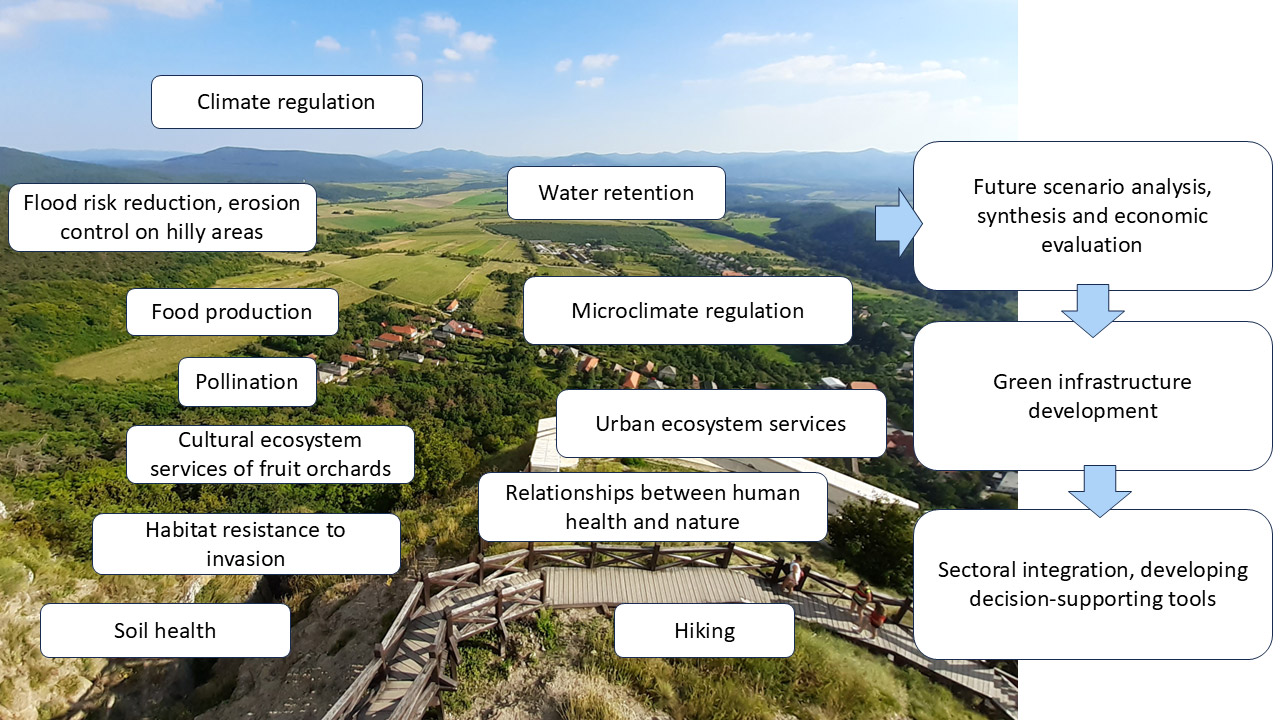
- The ecological systems that sustain us have been damaged to such an extent that they are no longer able to provide their basic services. Forests, grasslands, wetlands, as well as agricultural, industrial, and urban areas are increasingly less capable of ensuring clean air, safe drinking water of adequate quality, fertile soil, the conditions for producing healthy food, or even opportunities for recreation.
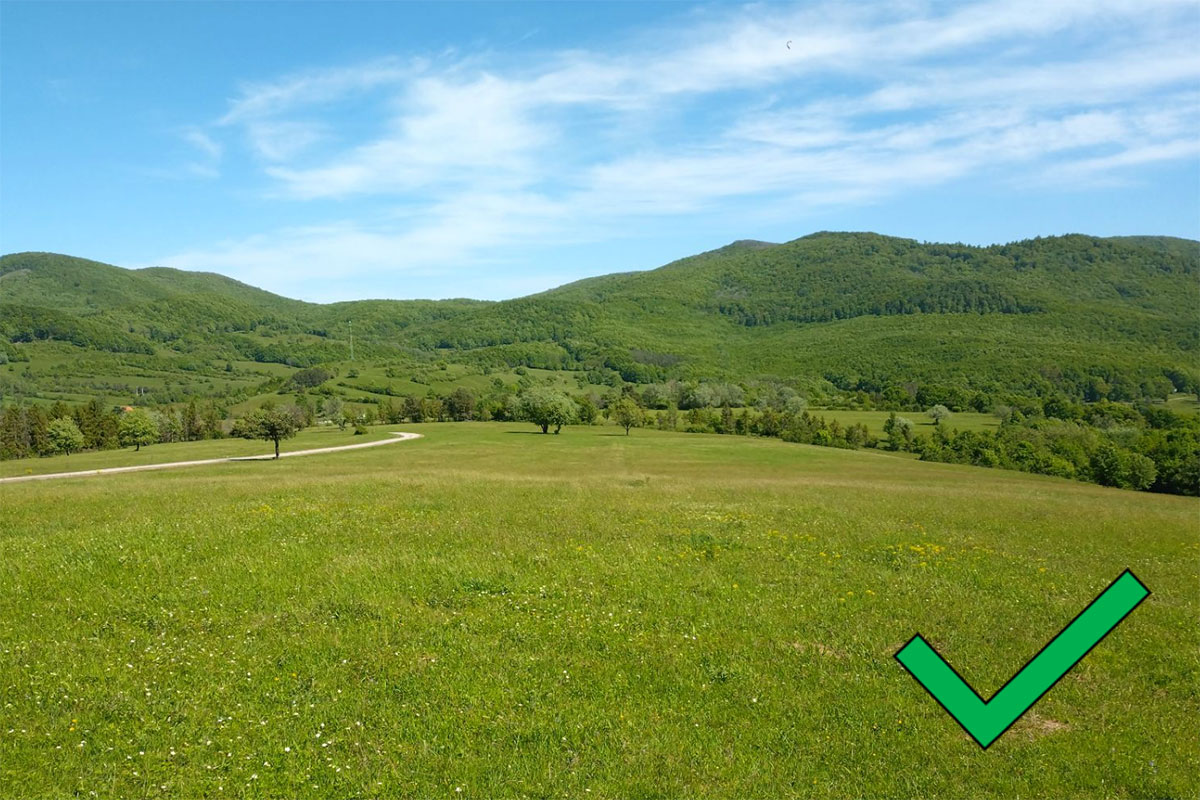
- Therefore, the EU Biodiversity Strategy for 2030 and the Nature Restoration Law require the restoration of ecosystems and the development of green infrastructure.
- Within the framework of the National Ecosystem Service Mapping and Assessment (NÖSZTÉP) project, we have already completed the first assessment of the condition of Hungarian ecosystems and their services (2016–2022). Currently, new analyses and revised assessments of previously examined ecosystem services are being carried out by incorporating additional datasets, with the aim of developing integrated decision-support tool systems (databases, maps, studies, and approaches).
- The results will be used by the green infrastructure project element, in addition to sectoral stakeholders, decision-makers and the public. The long-term goal is to incorporate the concept of ecosystem services into sectoral, regional development, and land-use decision-making processes.
Assessment of ecosystem services
1. Food, cultivated crop production
We examine the proportion of natural and human inputs (machinery, fuel, irrigation, fertilizers, chemicals) in the production of crops.
This enables us to recommend ecologically and economically sustainable farming and cultivation methods.
- Zsembery, Zita AM-TMF, working group leader
- Török, Katalin HUN-REN ÖK
- Kiss, Márton HUN-REN ÖK
- LTK
- MÁK
2. Climate regulation
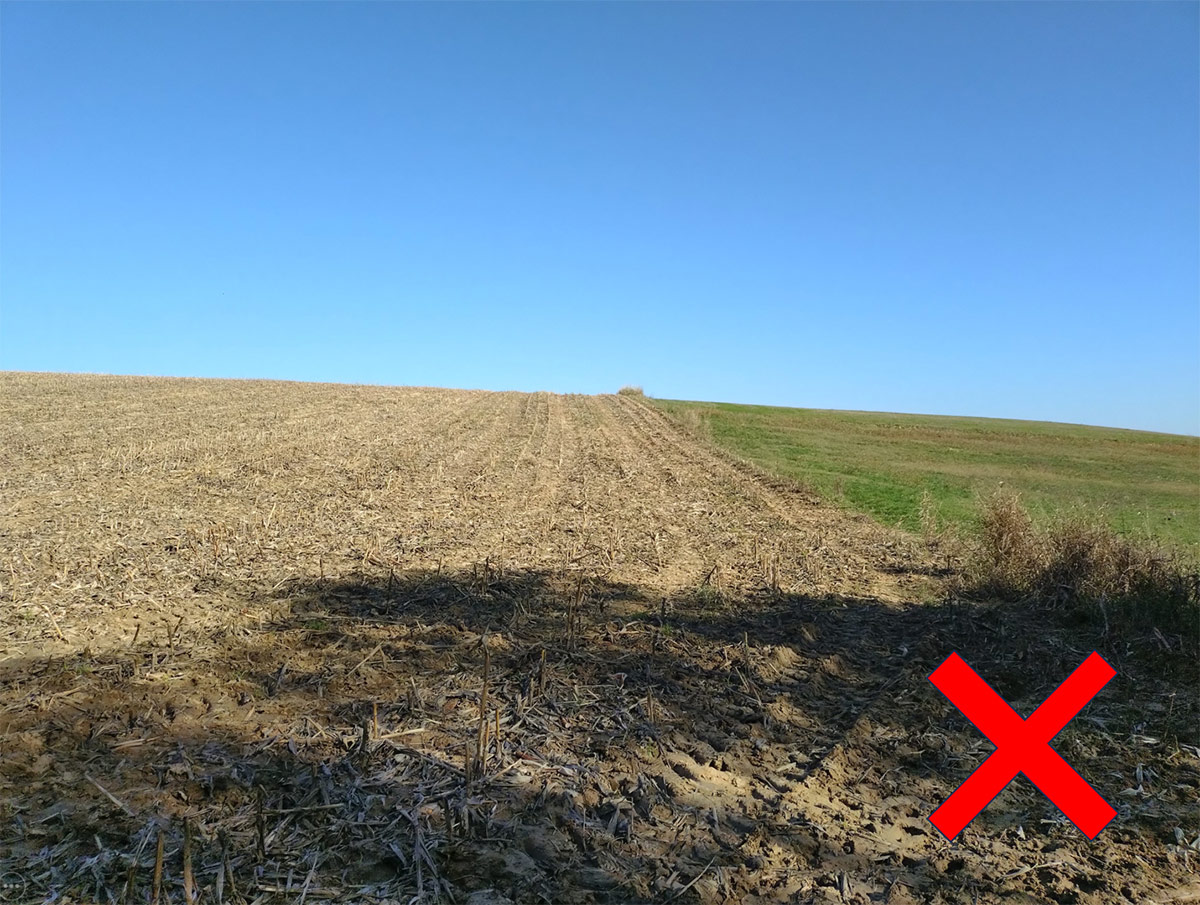
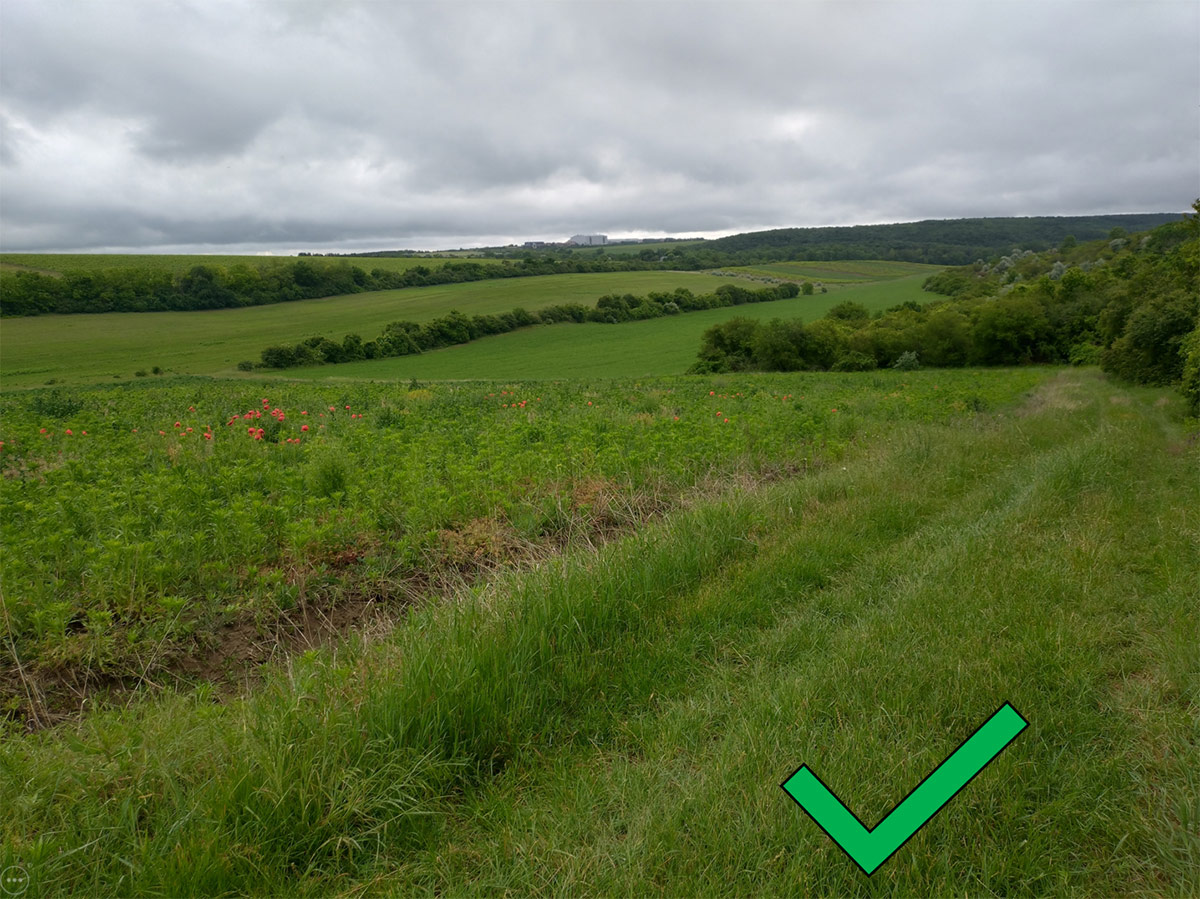
Forests, grasslands and arable land contribute to the circulation of greenhouse gases to different degrees. We assess and evaluate the fluxes of these gases, including the degree of carbon sequestration and storage, so that climate-friendly farming methods and climate-risk areas can be identified.
- Koncz, Péter HUN-REN ÖK, working group leader
- Fodor, Nándor HUN-REN ATK
- Zrinyi, Nándor HUN-REN ATK
- Hollós, Roland HUN-REN ATK
- Kern, Anikó HUN-REN ATK
- Hidy, Dóra HUN-REN ÖK
- Pásztor, László HUN-REN ATK
- Laborczi, Annamária HUN-REN ATK
- Standovár, Tibor HUN-REN ÖK
- Schneller, Krisztián LTK
- Kisné Fodor, Lívia AM-TMF
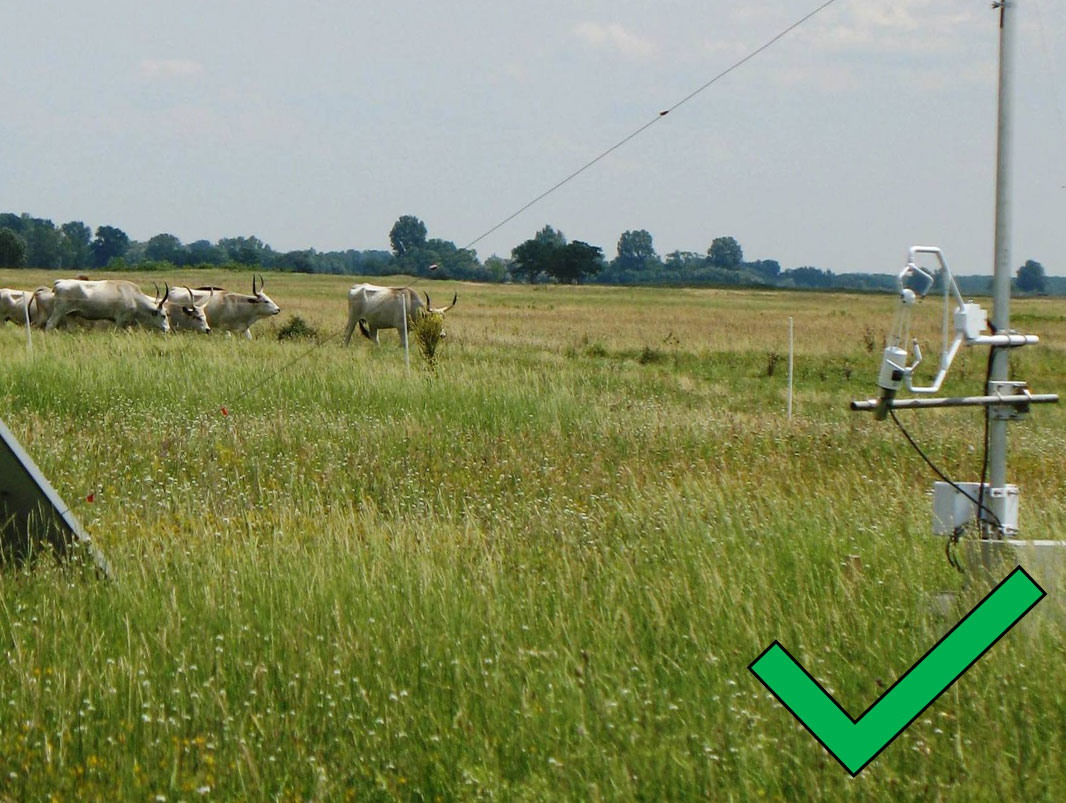
3. Microclimate regulation
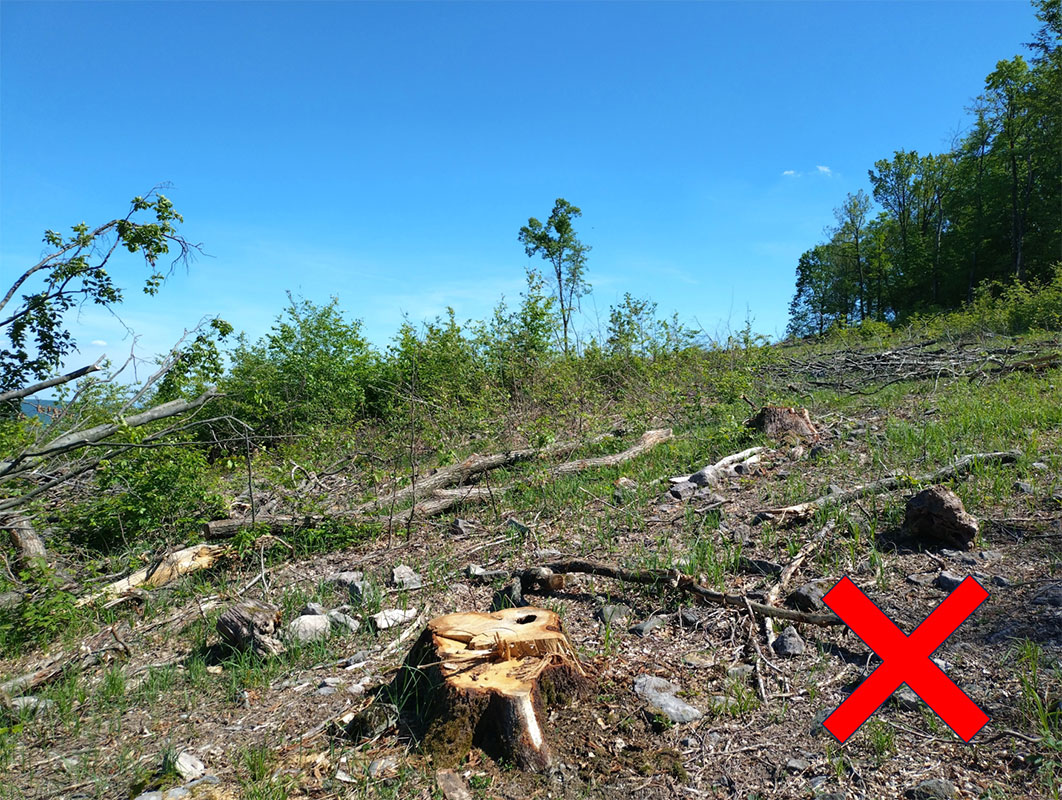
The impact of ecosystems and their management on microclimate is increasingly important in Hungary’s variable and drying climate. In addition to updating the previous microclimate maps, the project refines the understanding of the influence of ecosystem edges, water bodies, and topography on microclimate regulation.
- Weidinger, Tamás HUN-REN ÖK, working group leader
- Koncz, Péter HUN-REN ÖK
- Kristóf, Erzsébet HUN-REN ÖK
- Torma, Péter BME
- Báder, László BME
- Schneller, Krisztián LTK
- Lehoczki, Róbert LTK-TÉ
- Pataki, Róbert LTK-TÉ
- Petrik, Ottó LTK-TÉ
- MÁK, LTK, AM
4. Urban ecosystem services
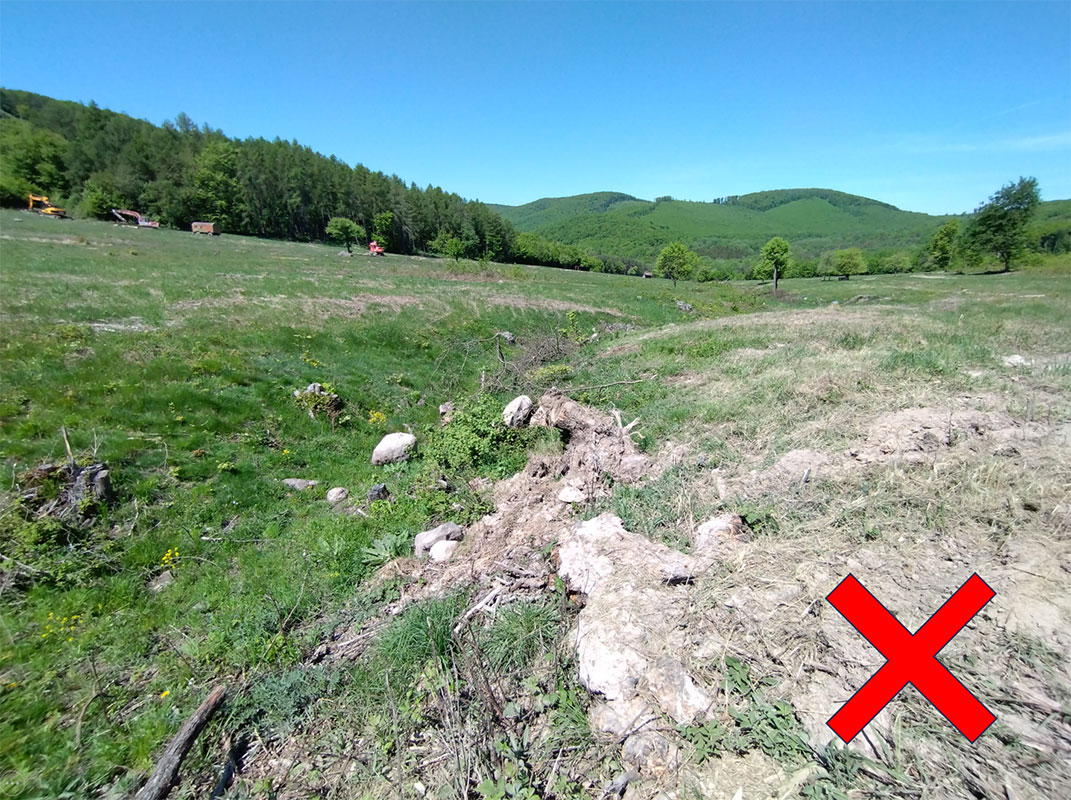
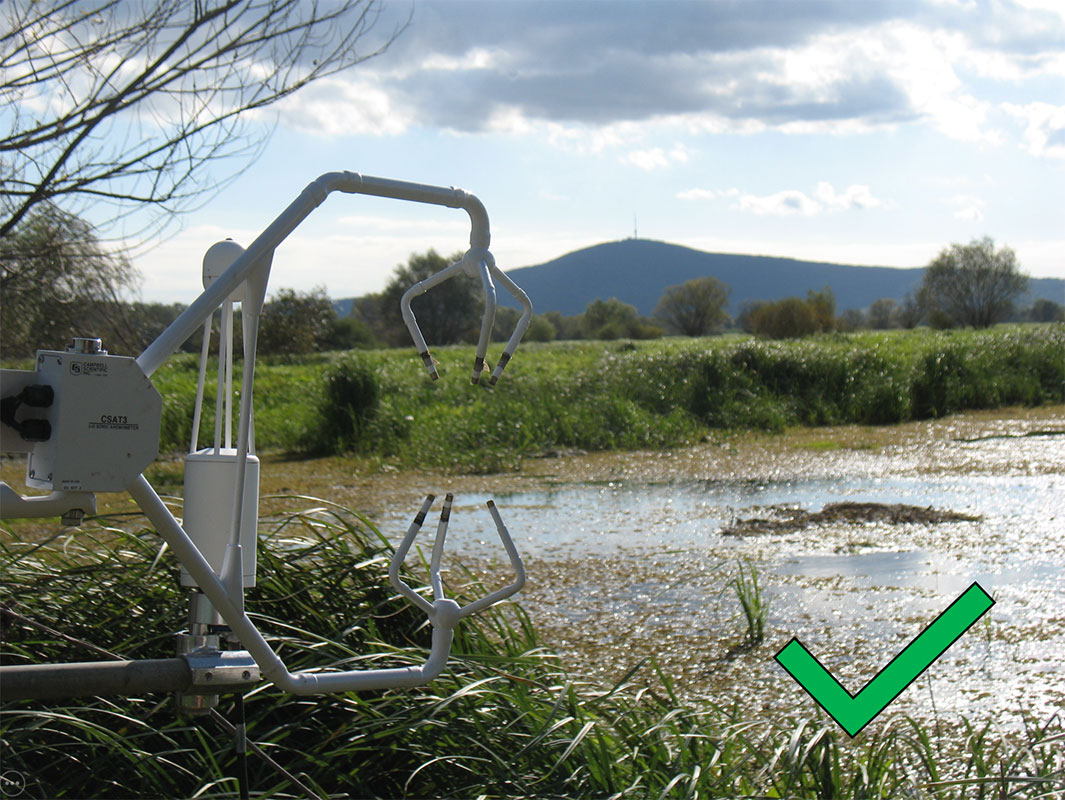
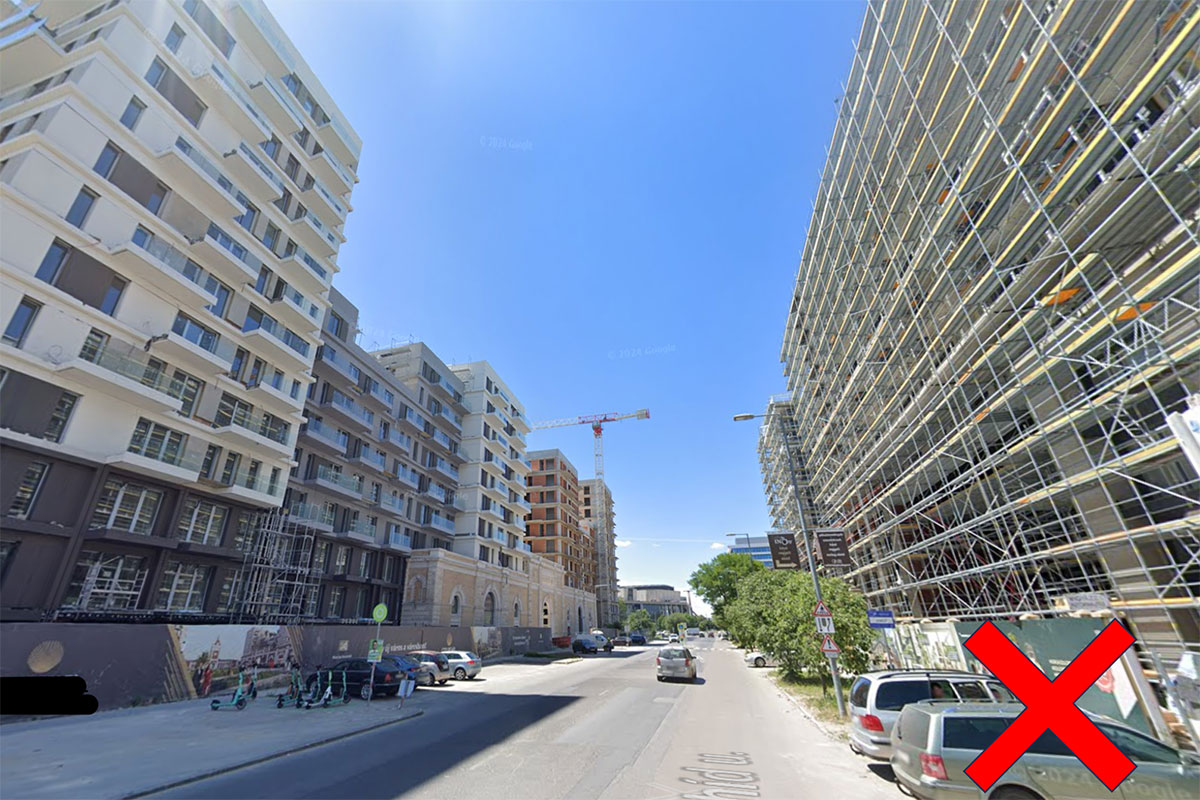
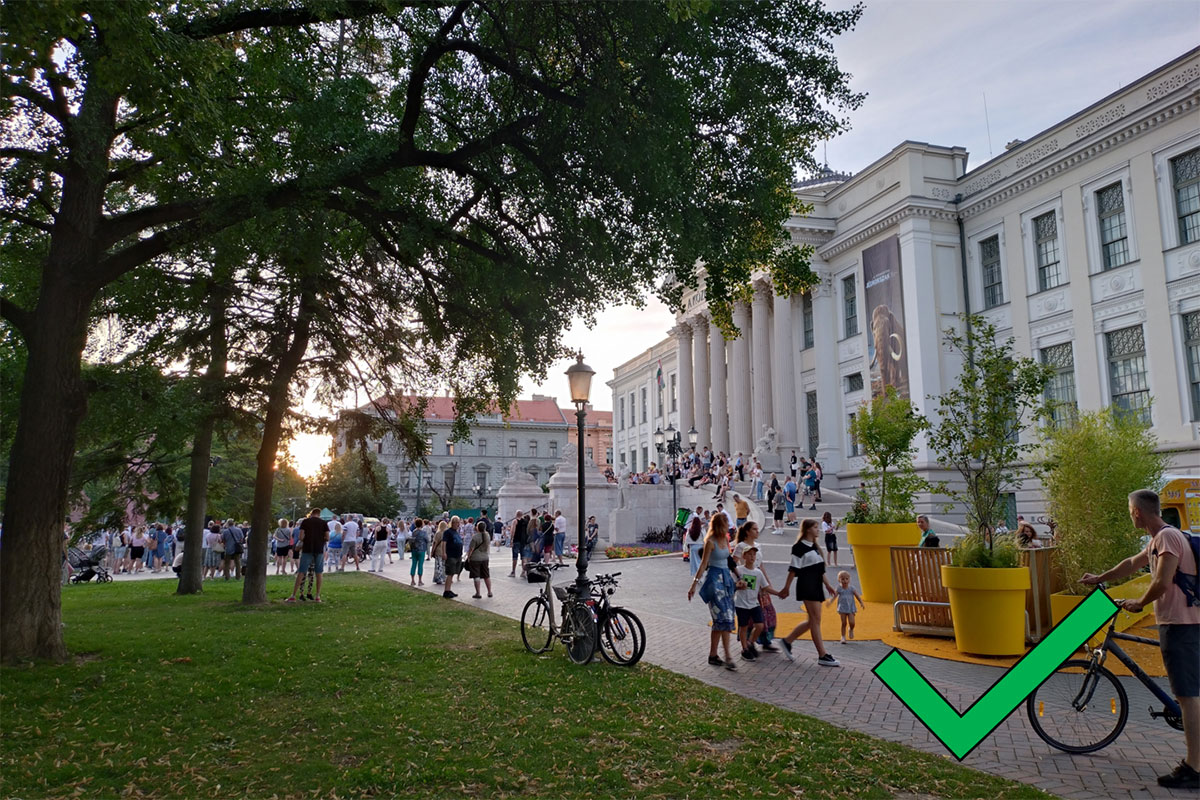
We investigate the effect of urban green spaces on microclimate regulation, air pollution absorption and stormwater-retention by local measurements, literature review and microclimate models. Our results will support health impact assessments, urban planning and the preparation of ecosystem accounts.
- Kiss, Márton HUN-REN ÖK, working group leader
- Lékó-Kacsova, Evelin Csenge HUN-REN ÖK
- Báthoryné Nagy, Ildikó Réka LTK
- Jombach, Sándor OIA
- Csőszi, Mónika LTK
- Tar, Gyula AM-NPTF
5. Pollination
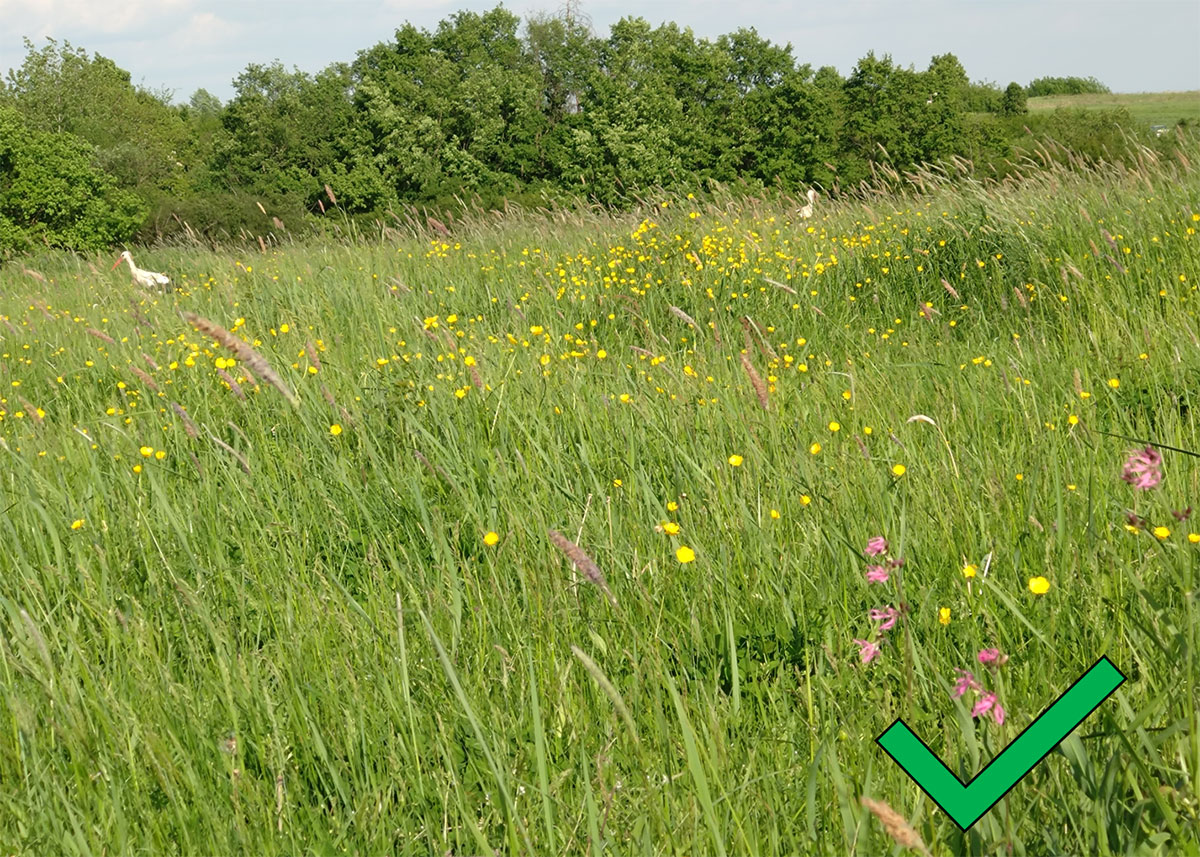
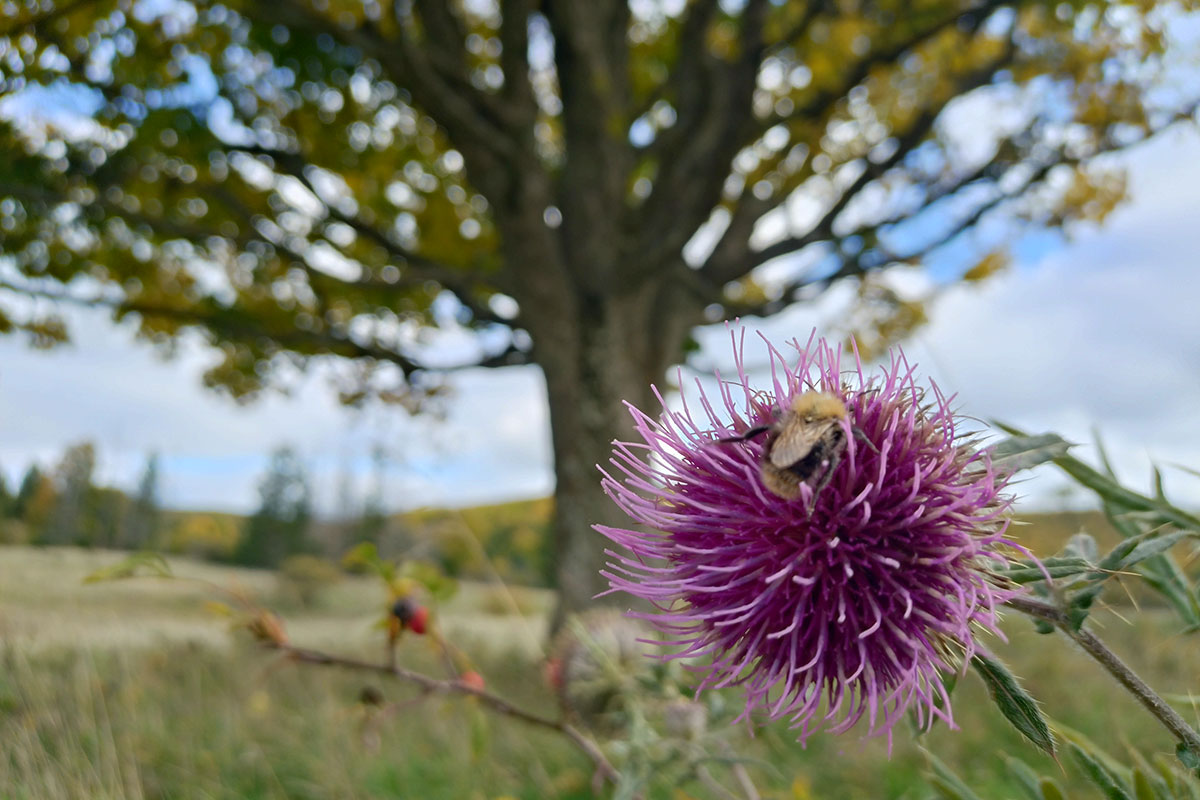
We refine and validate previous nationwide expert-based estimates of wild bee pollination demand using field surveys and monitoring data. We also assess the relationship between pollination potential and pollination demand under various land-use scenarios. The results include a validated, more detailed pollination map and a decision-support system contributing to pollinator protection and biodiversity strategy goals.
- Sárospataki, Miklós HUN-REN ÖK, working group leader
- Demeter, Imre HUN-REN ÖK
- Kovács-Hostyánszki, Anikó HUN-REN ÖK
- Kisné Fodor, Lívia AM-TMF
- Lehoczki,Róbert LTK-TÉ
- Pataki, Róbert LTK-TÉ
- Petrik, Ottó LTK-TÉ
- LTK, MÁK
6. Reducing flood risk and erosion in hilly landscapes
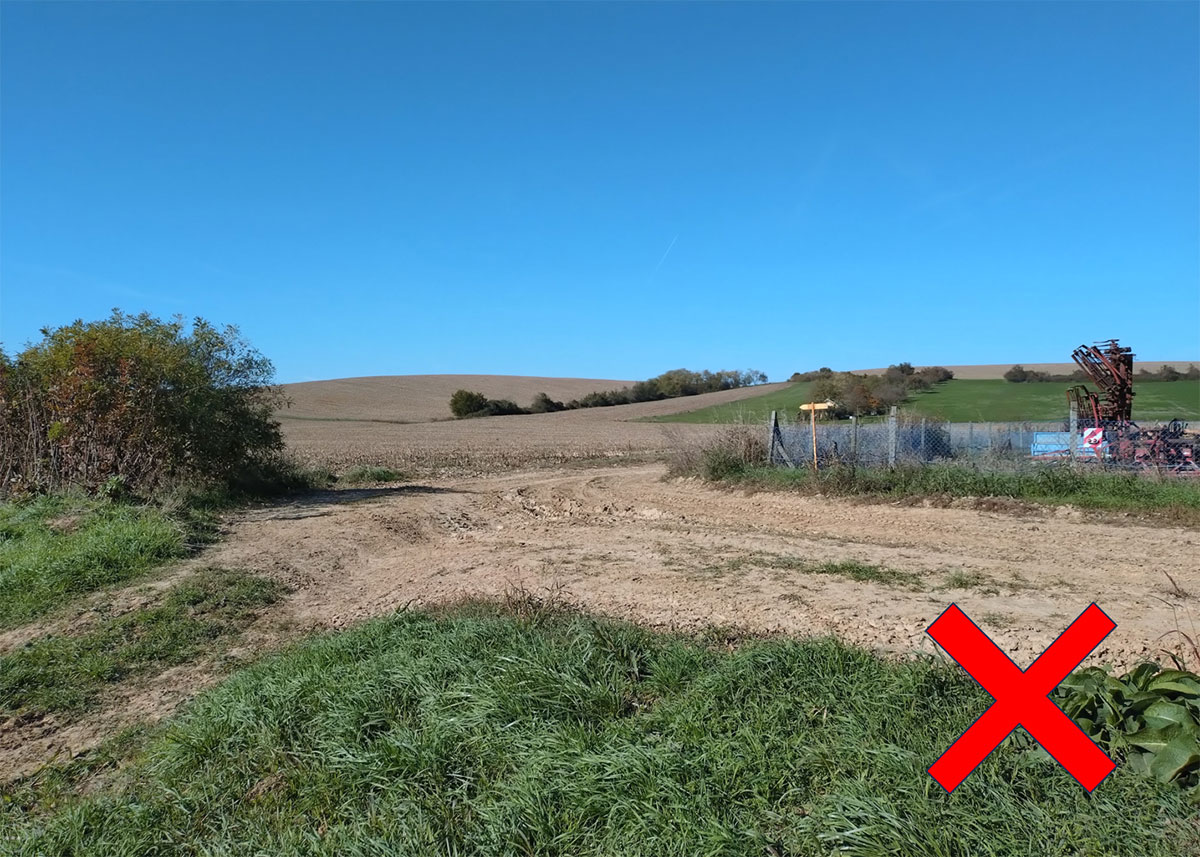
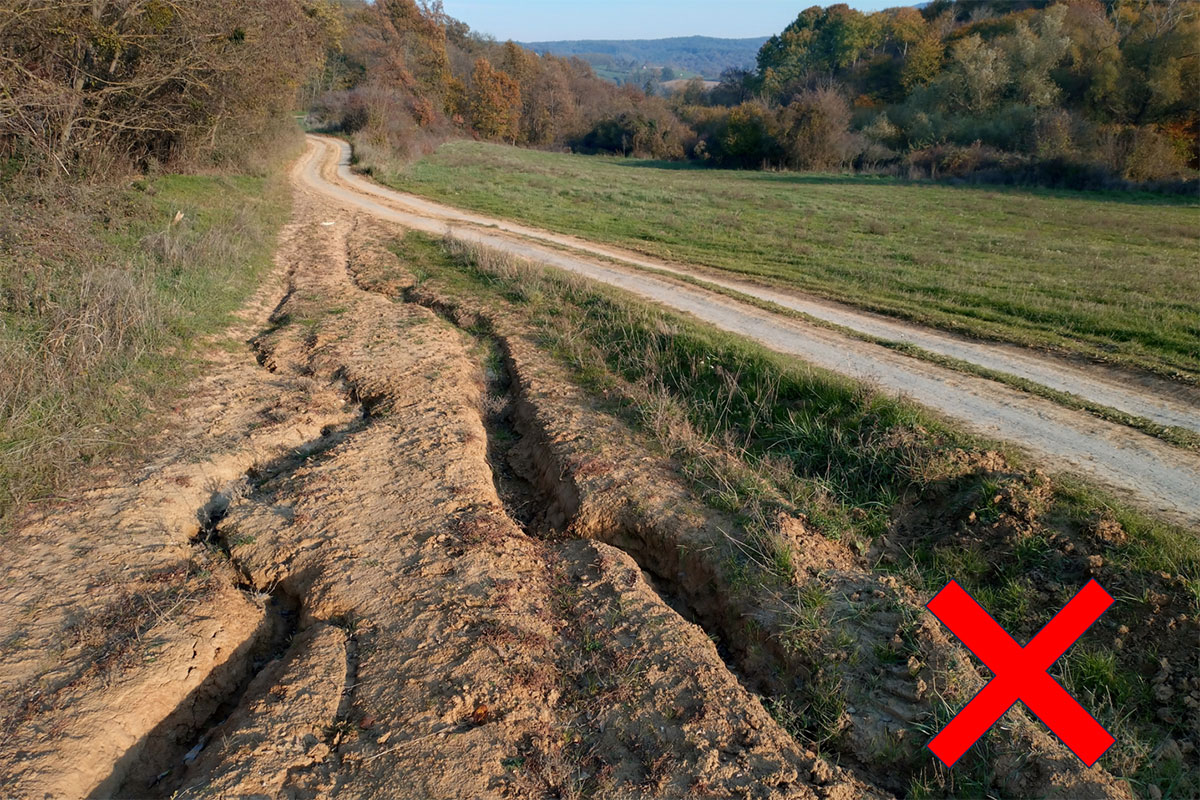
In the case of hilly watersheds, the ecosystem services of erosion mitigation and runoff regulation by vegetation is analyzed by simulation using the hydrological module of the InVEST model. Based on the results conflict zones in land use will be identified, and ecological-water management interventions can be evaluated and designed.
- Decsi, Bence BME, working group leader
- Kozma, Zsolt BME
- Pásztor, László HUN-REN ATK TAKI
- Laborczi, Annamária HUN-REN ATK TAKI
- Kisné Fodor, Lívia AM-TMF
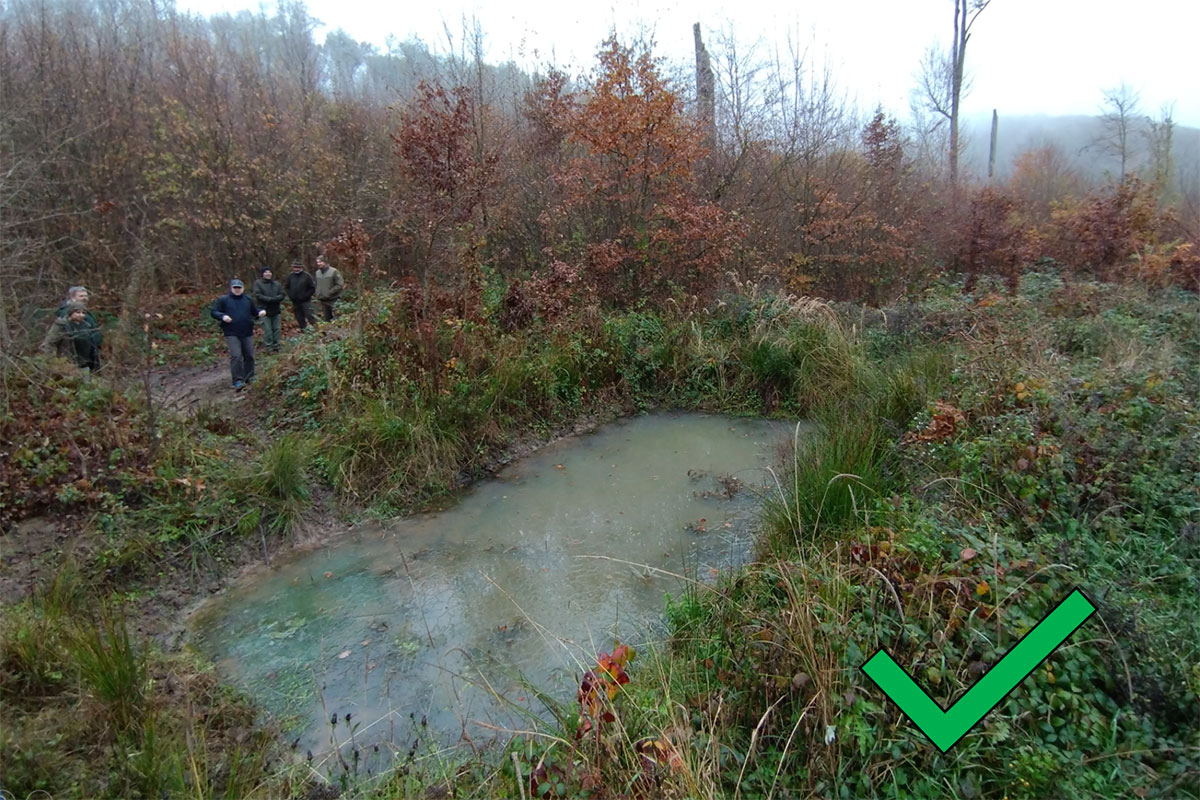
7. Habitat resistance to invasion
Near-natural ecosystems reduce the spread of invasive plants that pose biological, human health, and economic risks. We characterize and map this resilience by analyzing invasive plant species occurrence data and habitat categories between 2009 and 2022. With the help of national maps, trends and methodological recommendations, further spread can be controlled.
- Dr. Szilassi, Péter Doctor of Science of the Hungarian Academy of Sciences, SZTE TTIK Department of Natural and Environmental Geography, HUN-REN ÖK – working group leader
- Visztra, Georgina PhD student, SZTE Doctoral School of Environmental Sciences, HUN-REN ÖK
- Balogh, Márton Bence PhD student, SZTE Doctoral School of Earth Sciences, HUN-REN ÖK
- Dr. Tobak, Zalán Assistant Professor, SZTE Department of Atmospheric and Spatial Data Science, University of Szeged, HUN-REN ÖK
- Kertész, Miklós HUN-REN ÖK
- Csőszi, Mónika LTK
- AM
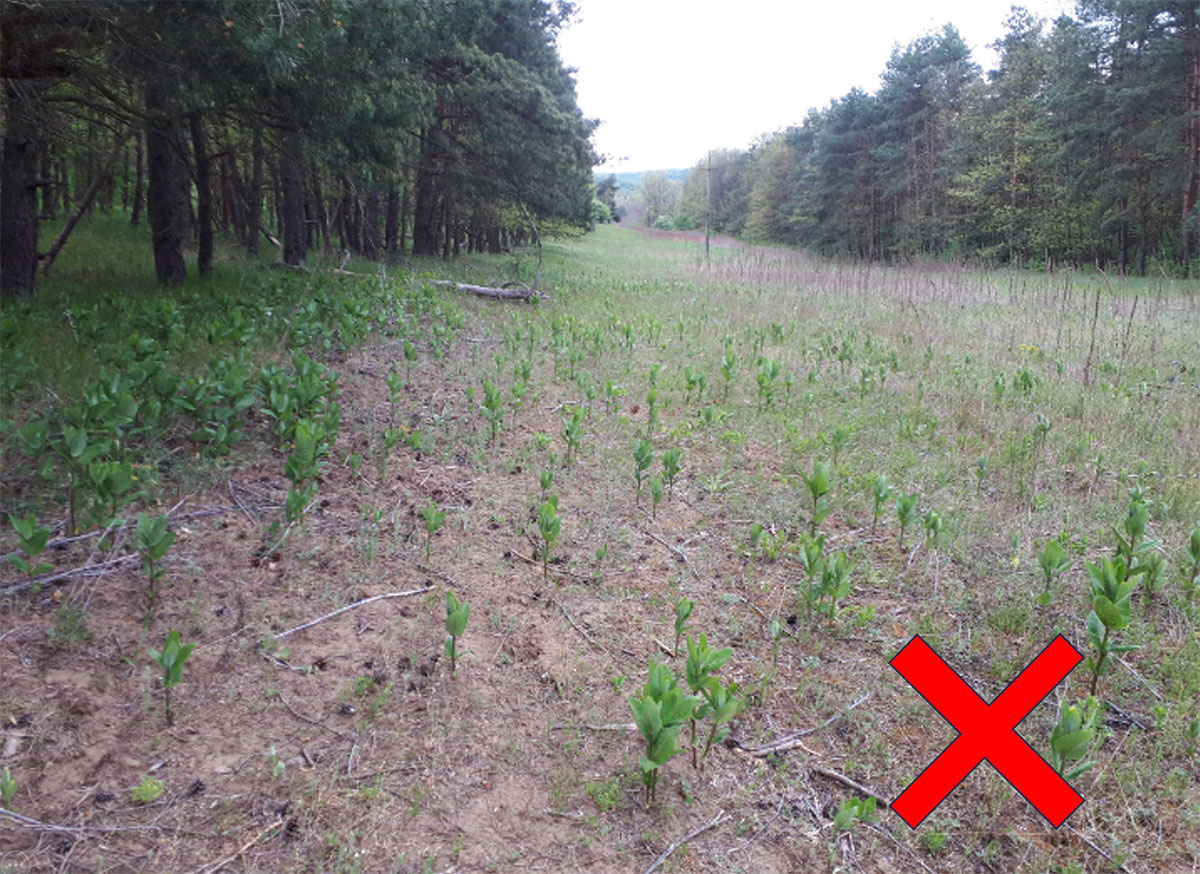
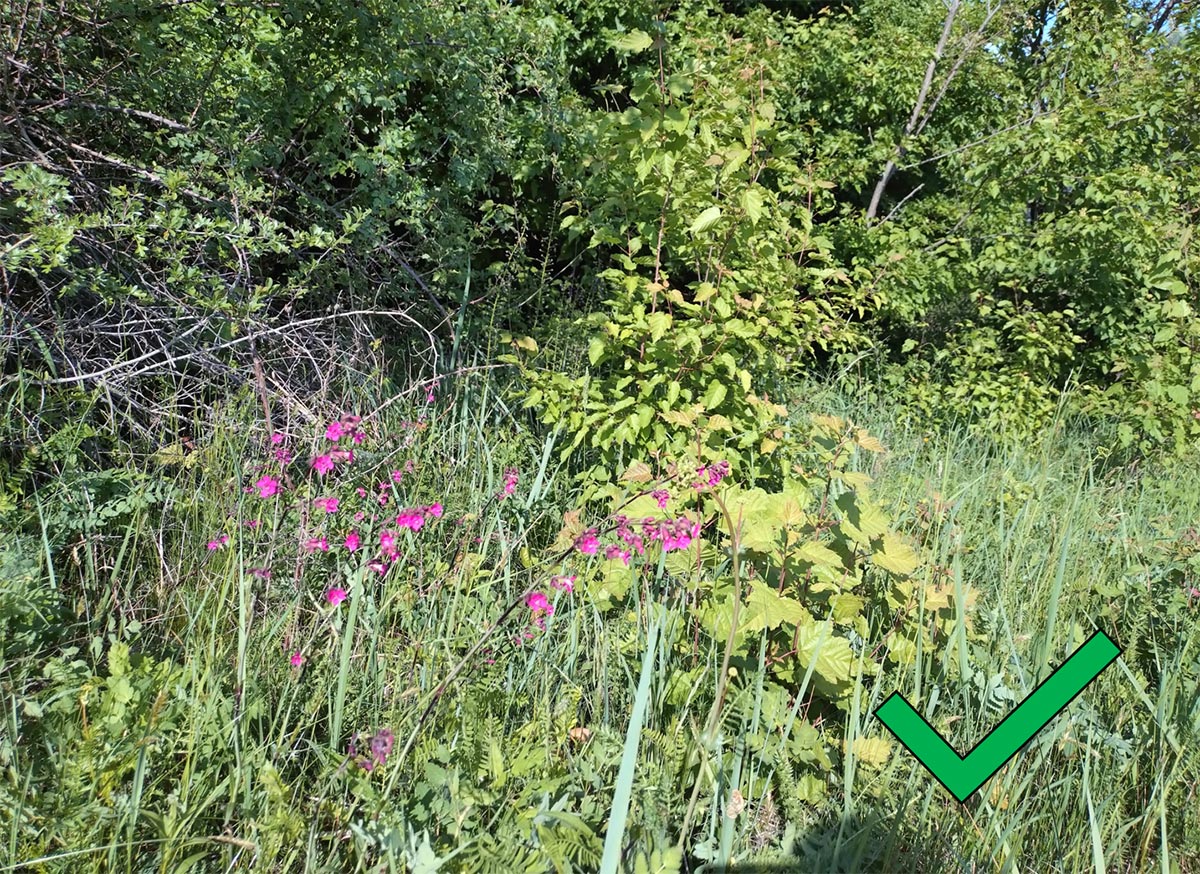
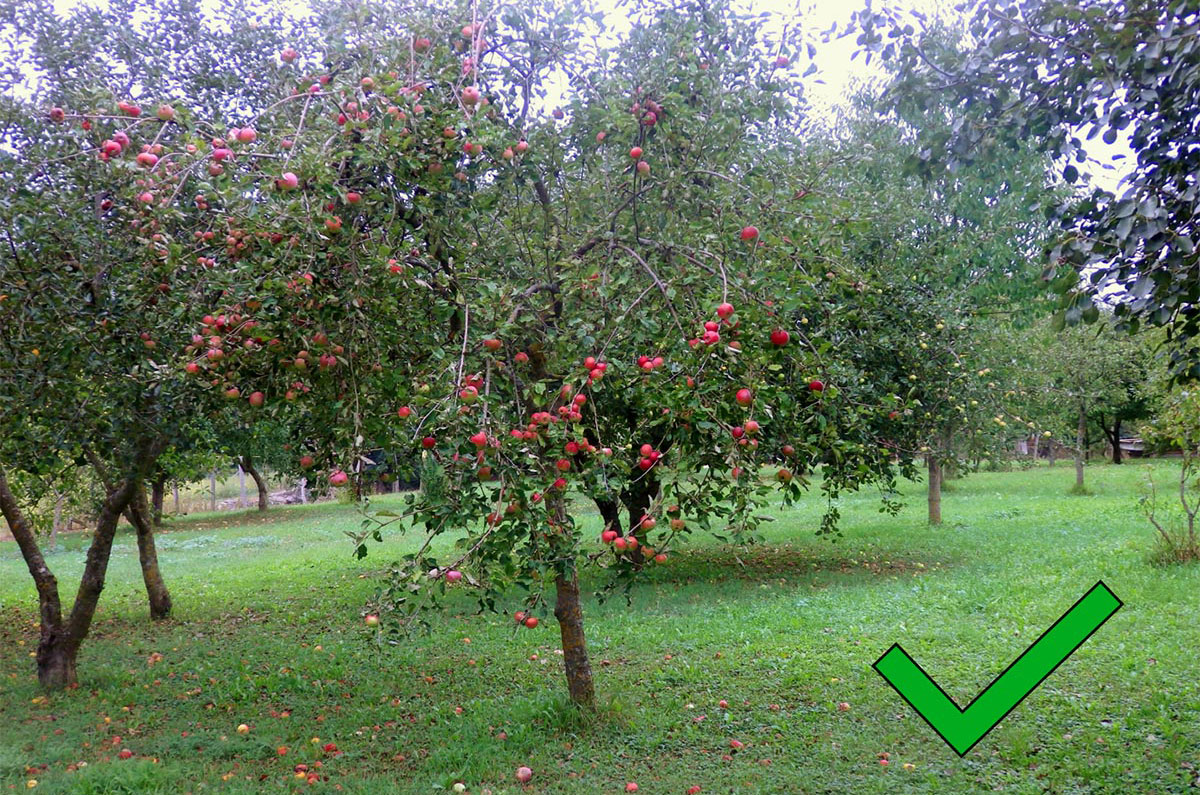
8. Fruit varieties
We explore the role of old Hungarian fruit varieties in maintaining traditional farming, landscape biodiversity and healthy diet using literature, existing databases and interviews with farmers. In addition to documenting cultural and community values, we develop methodological and policy recommendations for the preservation and promotion of fruit varieties.
- Szabadkai, Andrea HUN-REN ÖK, working group leader
- Csákvári, Edina HUN-REN ÖK
- Arany, Ildikó HUN-REN ÖK
- Zicska, Szilárd HUN-REN ÖK
- Zaja, Péter HUN-REN ÖK
- Kulcsár, Balázs HUN-REN ÖK
- Kápolnás, Olivér HUN-REN ÖK
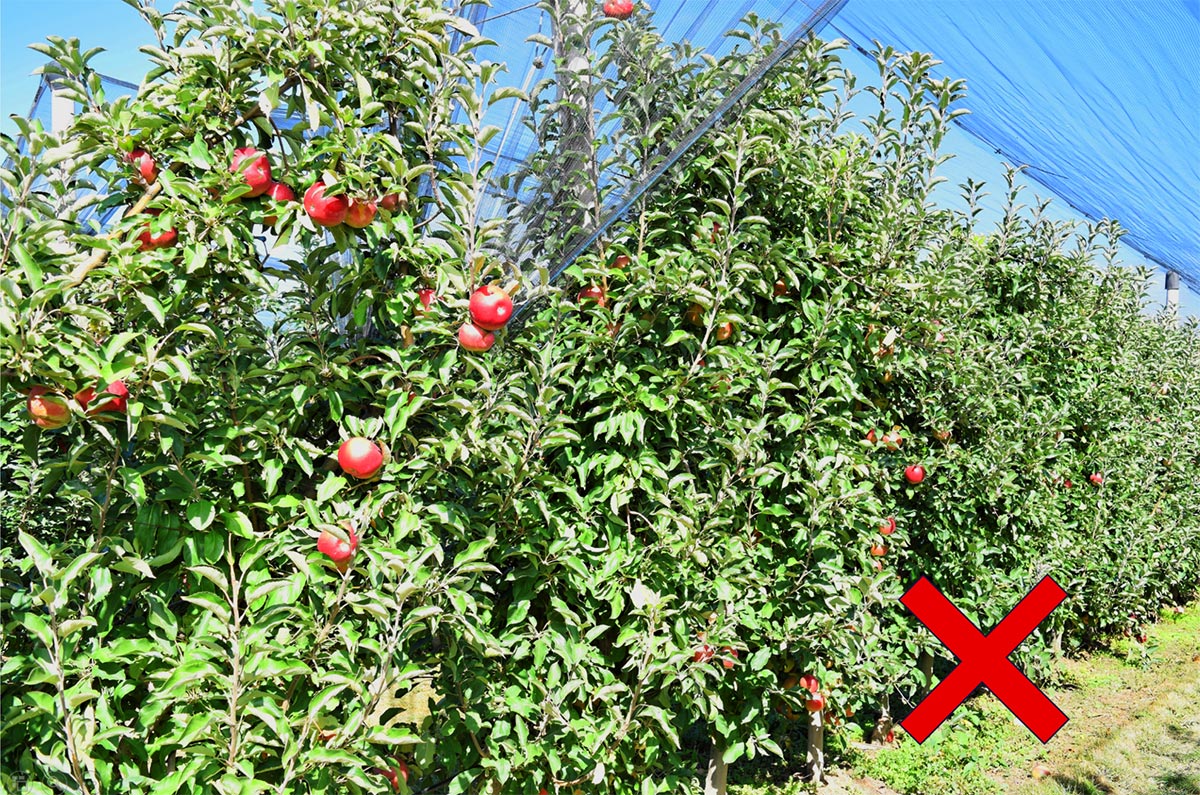
9. Hiking
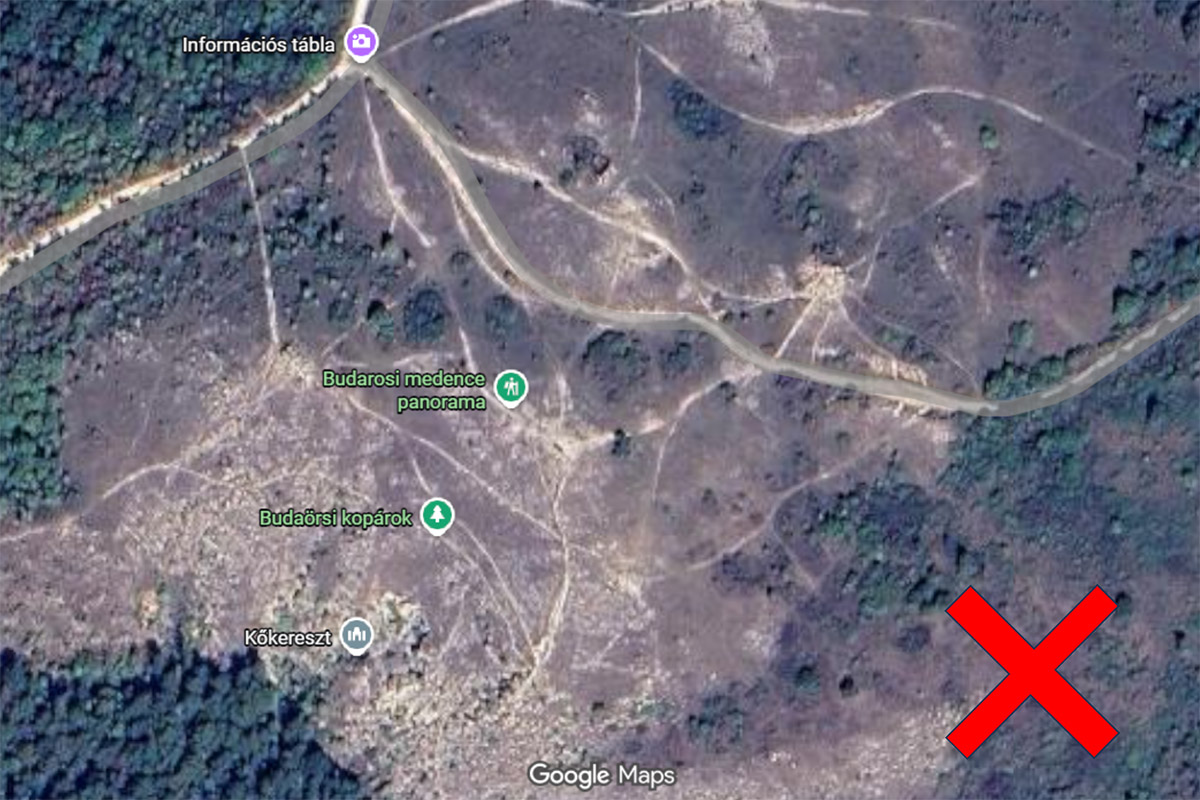
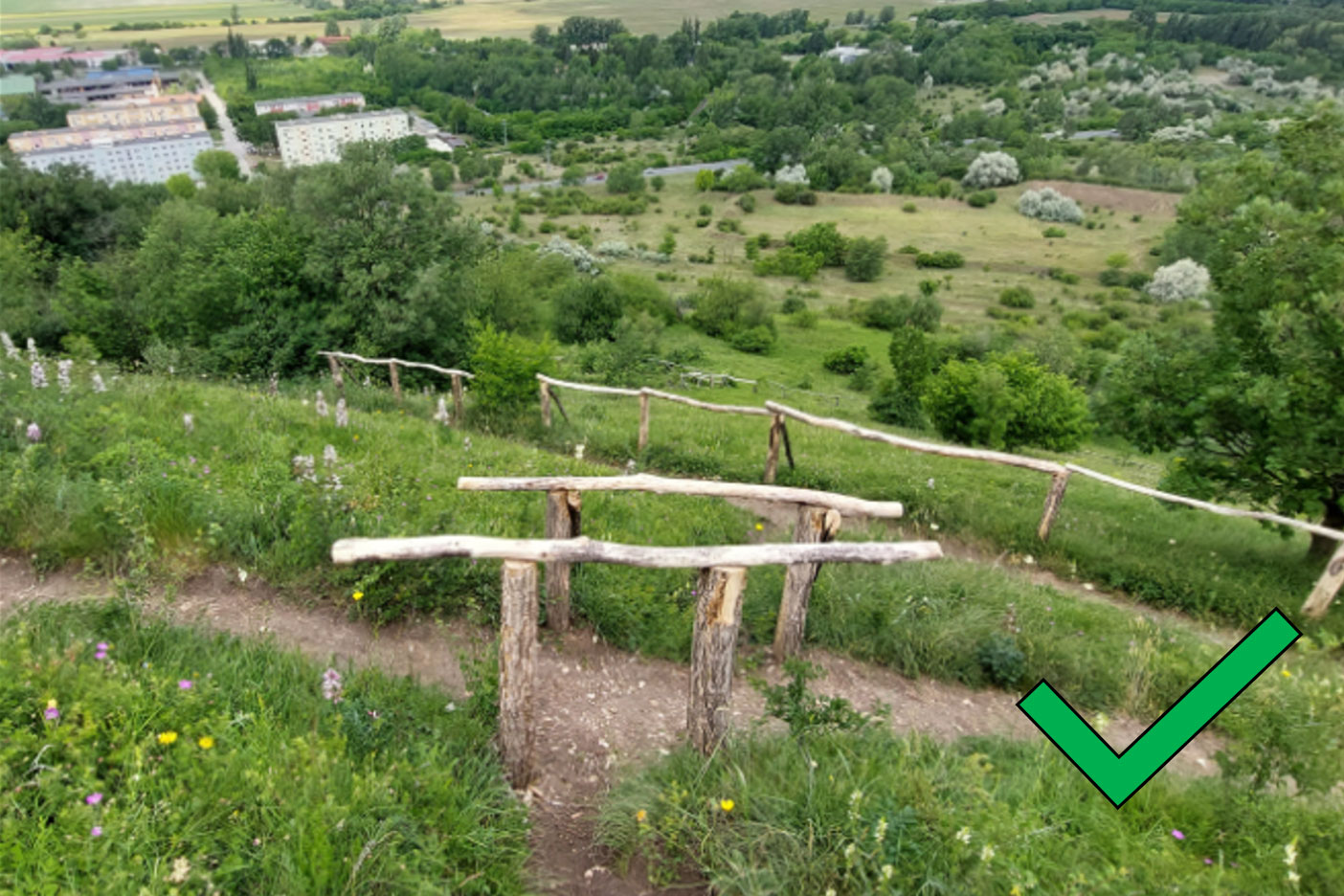
We will conduct a national survey and evaluation of the actual use of hiking trails. This will provide a more accurate basis for the economic and welfare assessment of domestic recreation, tourism and ecotourism.
- Dósa, Henrietta LTK, working group leader
- Csőszi, Mónika LTK
- Teleki, Mónika LTK
- Rimóczi, Tamás LTK
- Pádárné dr. Török, Éva AM-NPTF
- Tar, Gyula AM-NPTF
- Csákvári, Edina HUN-REN-ÖK
Focus area studies – goals, methods, impacts
1. Water retention
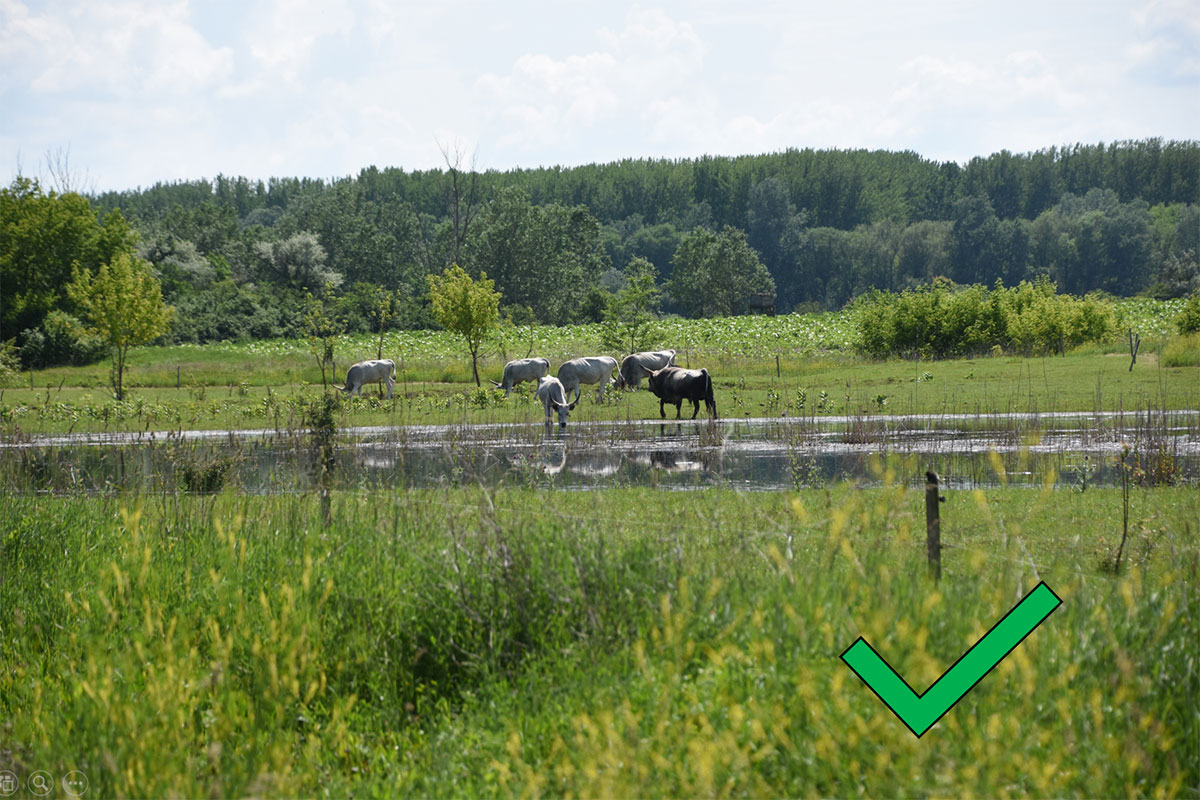
The goal is to restore the water balance of the Tisza Valley by creating water retention-based strategies that contribute to the restoration and long-term maintenance of ecosystem services. The method is based on a synthesis of hydrological, ecological, economic and social science analyses.
- Schneller, Krisztián LTK, working group leader
- Koncsos, László BME
- Murányi, Gábor BME
- Decsi, Bence BME
- Vaszócsik, Vilja LTK
- Csőszi, Mónika LTK
- Bártfai, Boglárka LTK
- Csőszi, Mónika LTK
- Kristóf, Dániel LTK
- Kulcsár, Anikó LTK
- Papp, Lajos LTK
- Teleki, Mónika LTK
- Tóth, Tünde LTK
- Laborczi, Annamária HUN-REN ATK
- Pásztor, László HUN-REN ATK
- Koncz, Péter HUN-REN-ÖK
- Fabók, Veronika HUN-REN ÖK
- Somodi, Imelda HUN-REN-ÖK
- Kisné Fodor, Lívia AM
2. Soil as a living system
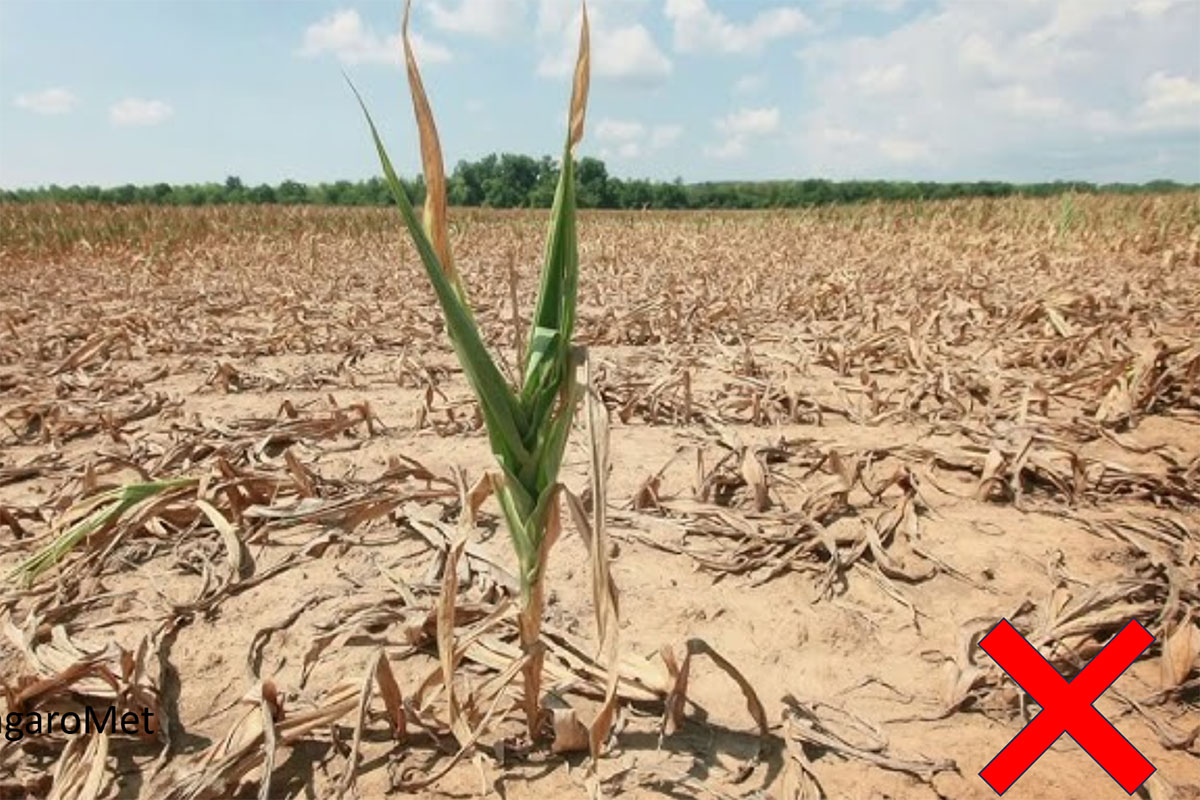
The development of biological state indicators required for the assessment of soil ecosystem services (organic matter decomposition and carbon sequestration) will be carried out. The method is based on the analysis and synthesis of site-specific data, examining soil physical, chemical, and biological parameters (e.g. mesofauna diversity, microbial communities, glomalin content) using archived databases, monitoring networks, and long-term experiments. Methodological development will result in guidelines for target- and site-specific soil health indicators.
- Imréné Takács, Tünde HUN-REN ATK, working group leader
- Horel, Ágota HUN-REN ATK
- Tóth, Zsolt HUN-REN ATK
- Pásztor, László HUN-REN ATK
- Laborczi, Annamária HUN-REN ATK
- Bódi, Andor HUN-REN ATK
- Gedeon, Csongor HUN-REN ATK
- Horel, Ágota HUN-REN ATK
- Kelemen, Bettina HUN-REN ATK
- Lellei-Kovács, Eszter, HUN-REN ATK
- Pabar, Sándor, HUN-REN ATK
- Tóth, Zsolt HUN-REN ATK
- Zsigmond, Tibor, HUN-REN ATK
- Zsembery, Zita AM-TMF
- Kisné Fodor, Lívia AM-TMF
3. Relationships between human health and the state of nature
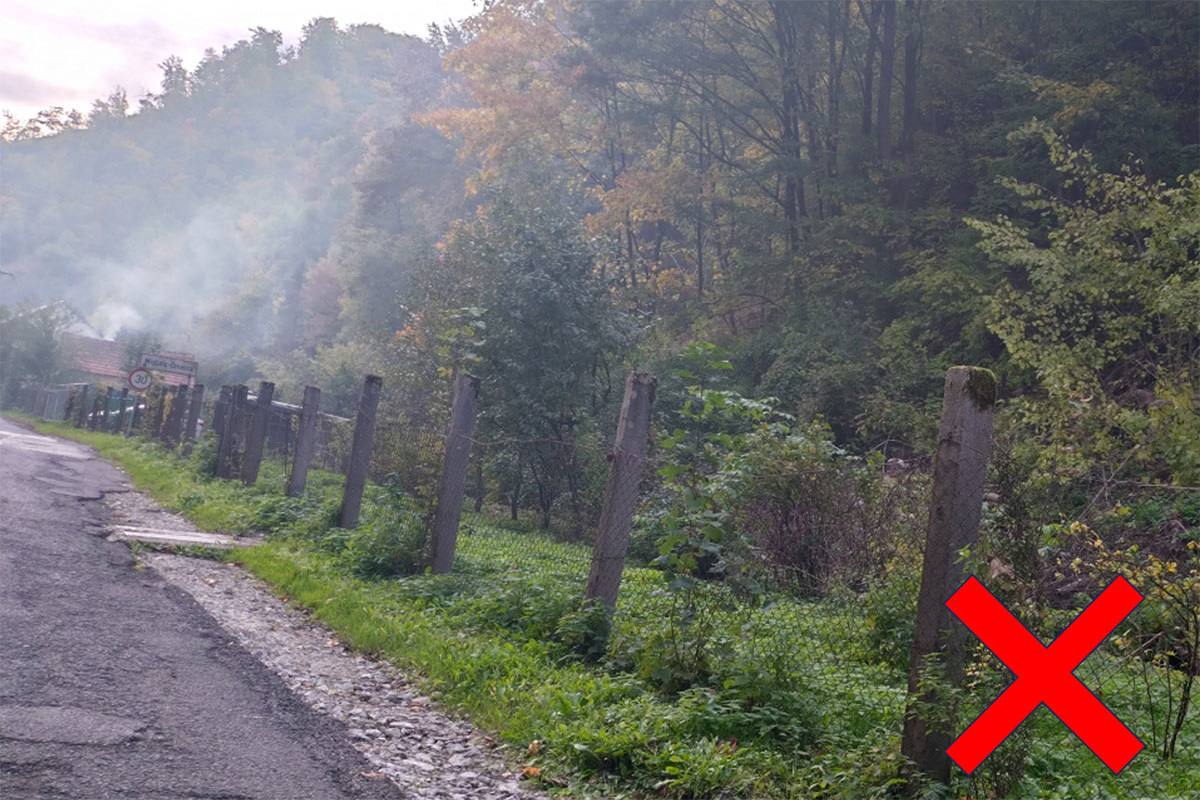
The relationships between ecosystem conditions and human health will be explored. The methodology is based on the collection of ecosystem and health data at national and urban scales, their GIS-based and statistical analysis, as well as the selection and modelling of expert-based indicators, with a particular focus on heat stress, air pollution, and green infrastructure.
Expected outcomes include the identification of relationships between specific diseases and environmental conditions, the development of predictive models, and methodological advances that enable the estimation of the economic value of the health benefits associated with ecosystems in good condition.
- Vitrai, József HUN-REN ÖK, working group leader
- Varsányi, Péter HUN-REN ÖK
- Berezvai, Zombor Budapest Corvinus University
- Török, Katalin HUN-REN-ÖK
- Lehoczki, Róbert LTK-TÉ
- Pataki, Róbert LTK-TÉ
- Petrik, Ottó LTK-TÉ
- LTK, AM
Synthesis analyses
1. Economic valuation of ecosystem services
The economic valuation of pollination as an ecosystem service will be carried out. Building on the experience of previous projects, the methodology will apply monetary valuation using various approaches, such as cost-based, replacement cost, avoided damage, and restoration cost methods.
2. Future scenario analysis
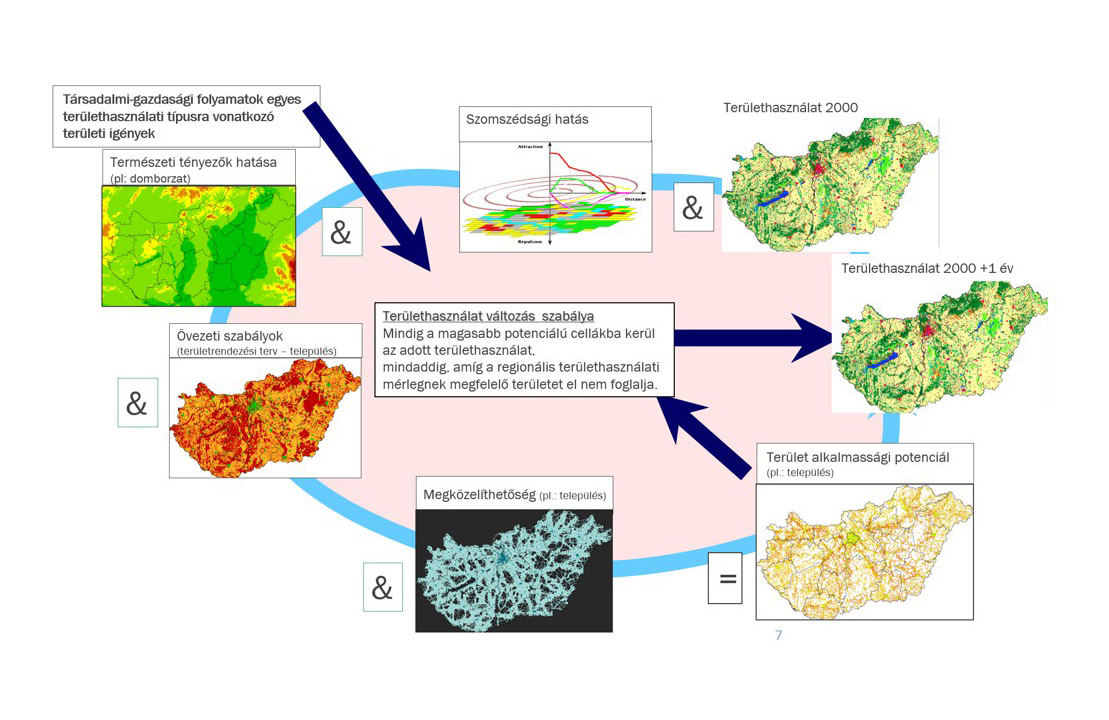
The impacts of different future land-use pathways on ecosystem services will be assessed through modelling and comparative analysis. Under the “business-as-usual” scenario, the provision of ecosystem services that support human well-being is expected to deteriorate, while under the nature restoration scenario it is expected to improve.
- Vaszócsik, Vilja LTK, working group leader
- Kertész, Miklós HUN-REN ÖK
- Vörös, Amira HUN-REN ÖK
- Somodi, Imelda HUN-REN ÖK
- Halassy, Melinda HUN-REN ÖK
- Teleki, Mónika LTK
- Schneller, Krisztián LTK
- AM
3. Synthesis
A joint trade-off and synergy assessment of ecosystem services will be conducted. The workflow includes the development of multifunctionality and hotspot maps, as well as the analysis of interrelationships among ecosystem services. The outputs will consist of an integrated ecosystem services assessment report and spatial maps that support decision-making related to green infrastructure development.
- Tanács, Eszter HUN-REN-ÖK, working group leader
- Lehoczki, Róbert LTK-TÉ
- Pataki, Róbert LTK-TÉ
- Petrik, Ottó LTK-TÉ
- Belényesi, Márta LTK-TÉ
- AM, LTK, ATK
„Foundations for the strategic planning of ecosystem services-based green infrastructure developments supported by regularly updated datasets”
KEHOP_PLUSZ-3.2.2-24-2024-00002






 |
 |