

A new global study published with the defining authorship of HUN-REN Centre for Ecological Research, Institute of Ecology and Botany in Conservation Biology, the leading journal in the field, highlights that many governments still do not fully recognize the contribution of Indigenous Peoples and local communities, and other traditional knowledge holders to the conservation and sustainable use of biodiversity. The researchers examined the two most recent national reports submitted by the 195 state Parties to the Convention on Biological Diversity, amounting to more than 400 reports in total—two reports in the case of some countries—and approximately 58,000 pages of material. Europe stood out in a negative sense: while countries frequently referred to traditional land use practices, many states considered the issues related to Indigenous Peoples and local communities and traditional knowledge to be irrelevant, due to terminological confusion. The timeliness of the study is primarily underscored by the next round of national reports due in 2026, as well as by the fact that the Kunming–Montreal Global Biodiversity Framework states that achieving its goals is impossible without the genuine involvement of Indigenous Peoples and local communities.
Their findings underscore that biodiversity usually thrives in landscapes where communities holding local knowledge can exert real influence over land and resources, and that it often declines where their practices are ignored. Remarkable examples of community-based, careful land use generally remain hidden in official reports, such as Samoan community-managed fisheries, culturally protected forests in Liberia, and traditional hay meadows found across Europe.
“As countries prepare their next national reports due in 2026, genuinely recognizing the contributions of on-the-ground stewards to biodiversity conservation—and ensuring their meaningful involvement in implementation processes—will be crucial to achieving ambitious global biodiversity goals”, Kinga Öllerer, the study’s lead author summarizes.
Only 33 countries articulated clearly both the benefits of Indigenous Peoples and local communities and their traditional knowledge for the conservation and sustainable use of biodiversity, and explicitly referenced contributions to cultivation and domestication in their fifth national reports. By the sixth reporting cycle, this number had nearly tripled to 80, but still representing just over 40% of Parties. Despite this increase, recognition remains low. Moreover, acknowledgment often failed to name the people behind the practices, and direct involvement of IP&LCs in reporting remained rare.
At the largest biodiversity summit ever held, COP16, which took place in November 2024 in Cali, Colombia, Indigenous Peoples and local communities achieved a breakthrough after more than three decades of sustained efforts: they secured a permanent subsidiary body within the Convention, guaranteeing their formal role in its implementation. The event brought together more than 23,000 registered delegates from nearly 200 countries, alongside over 900,000 visitors. Representatives of Indigenous Peoples and local communities from the Americas, Africa, Asia, and Oceania celebrated in traditional dresses, while European delegations included no other community representatives beyond the Sámi. They are Europe’s only officially recognized Indigenous People. At the same time, numerous traditional farming communities play a key role in maintaining Europe’s biodiversity.
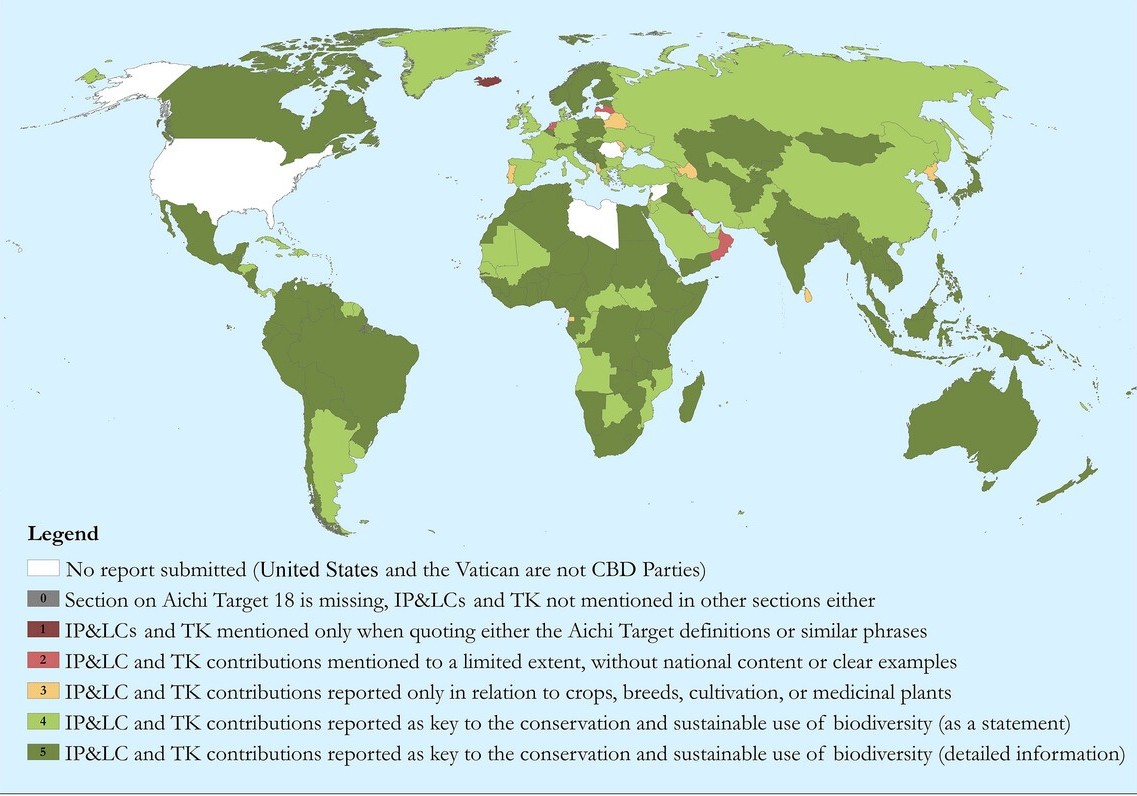
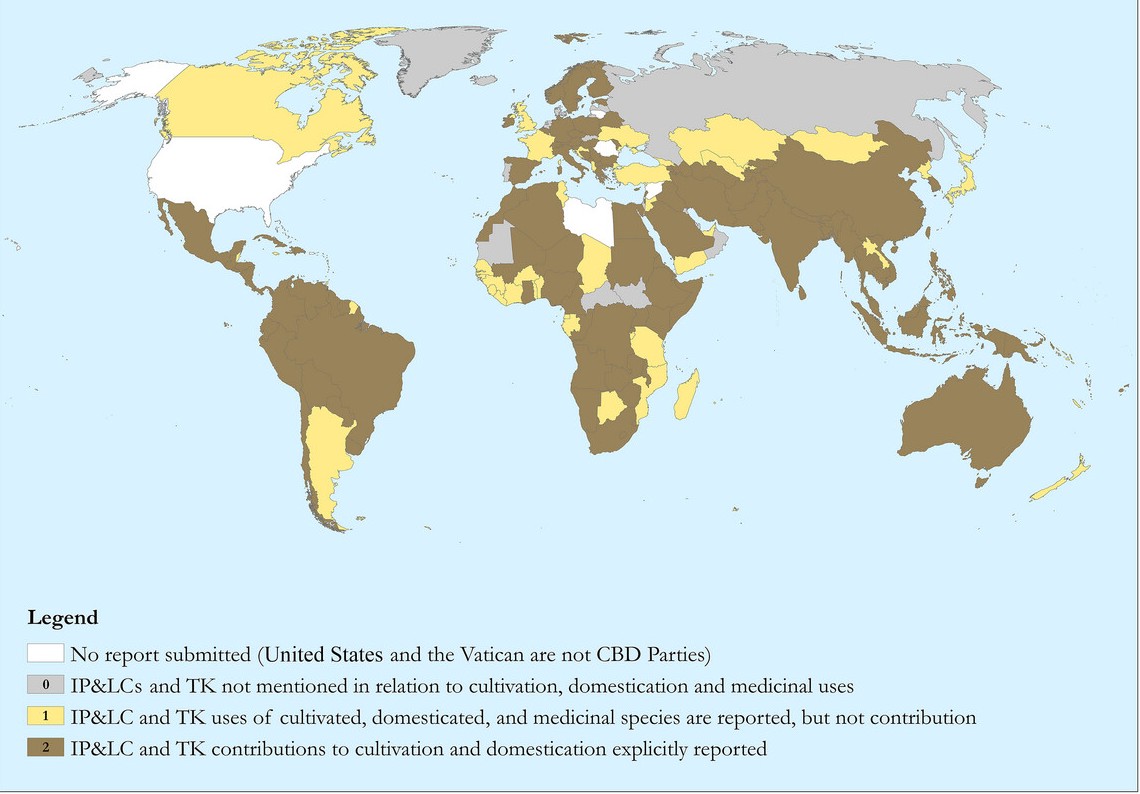
The study was initiated by Kinga Öllerer under the guidance of scientific advisor Zsolt Molnár (HUN-REN CER IEB Traditional Ecological Knowledge Research Group). Senior researcher Marianna Biró, a fellow member of the group, joined the work together with scientific advisor András Báldi (HUN-REN CER IEB Lendület Ecosystem Services Research Group, group leader), and several international collaborators.
In summary, the study shows that although governments increasingly recognize that local traditional communities and their knowledge make a significant contribution to biodiversity conservation, very few actually involve them in decision-making and reporting processes. The challenge is clear: the success of global biodiversity commitments depends not only on ambitious targets but also on fully acknowledging, respecting, and supporting the knowledge, practices, and roles of Indigenous Peoples and local traditional communities—and on genuinely involving these communities in implementation processes.
Foto credit:
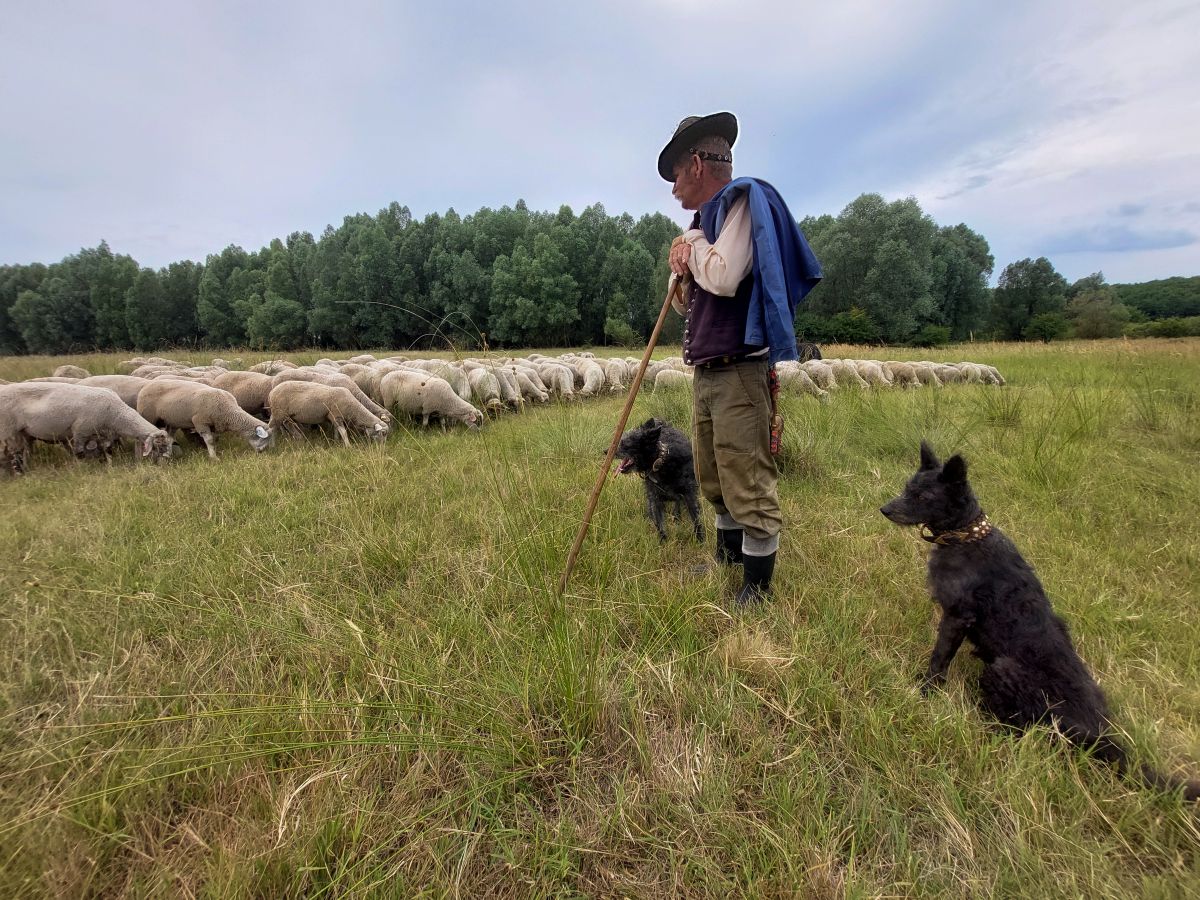
Hungarian traditional herders maintain vast landscapes through extensive pastoral grazing, and their knowledge, experiences and proposals are attracting growing attention, though still not the recognition they deserve. This photograph was taken by a shepherdess, the leader of the Women in Pastoralism group, about her husband and their livestock, and won third prize in a national photography competition on traditional herding (credit: Ibolya Sáfián Lászlóné).
Reference:
Global overview of progress in respecting the contributions of traditional knowledge in biodiversity governance