
Research groups
Plankton and Food Web Ecology Research Group

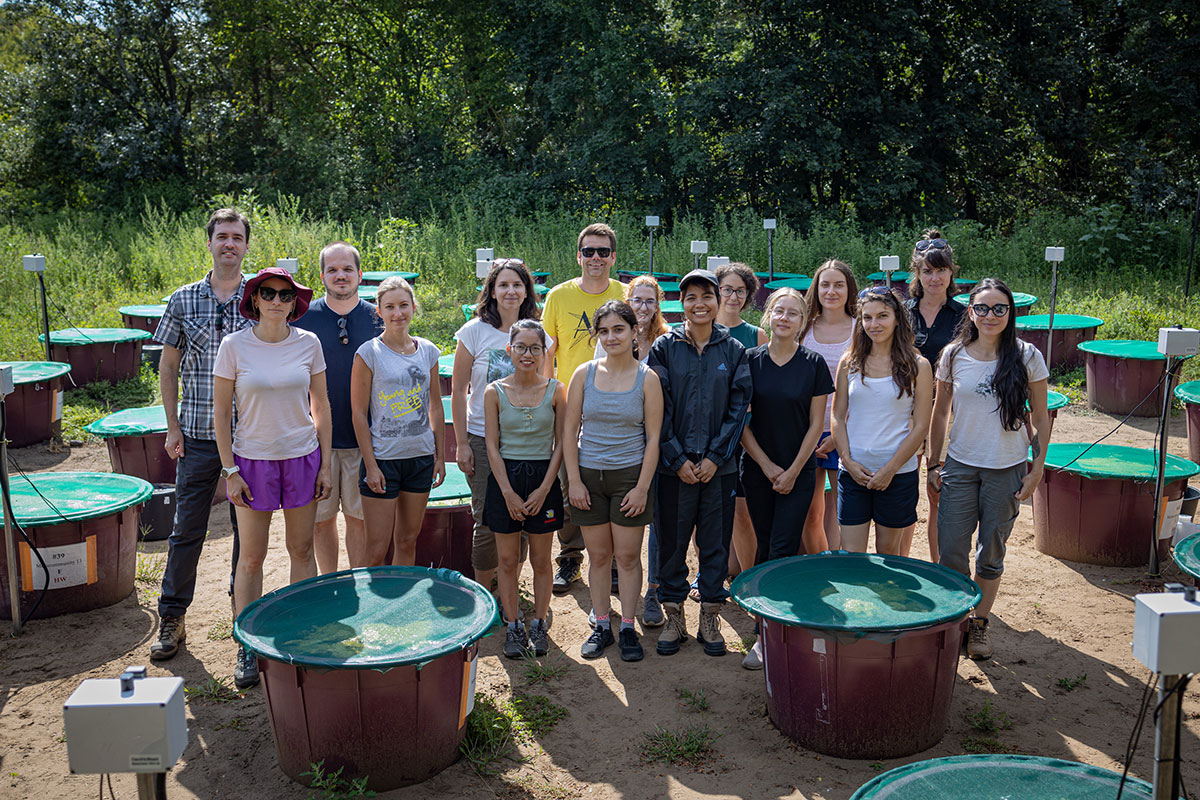
Members of the research group:
-
Ádám, Balázs
PhD-student, assistant research fellow
-
Hanny-Endrédi, Anett, PhD
Research fellow
-
Kardos, Vivien
ecological expert
-
Rani, Varsha
assistant research fellow
-
Varga, Dorina
ecological expert
Main profile:
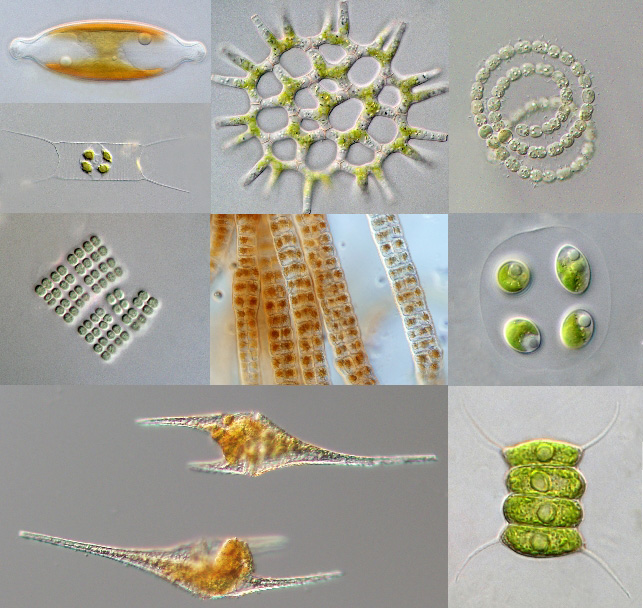
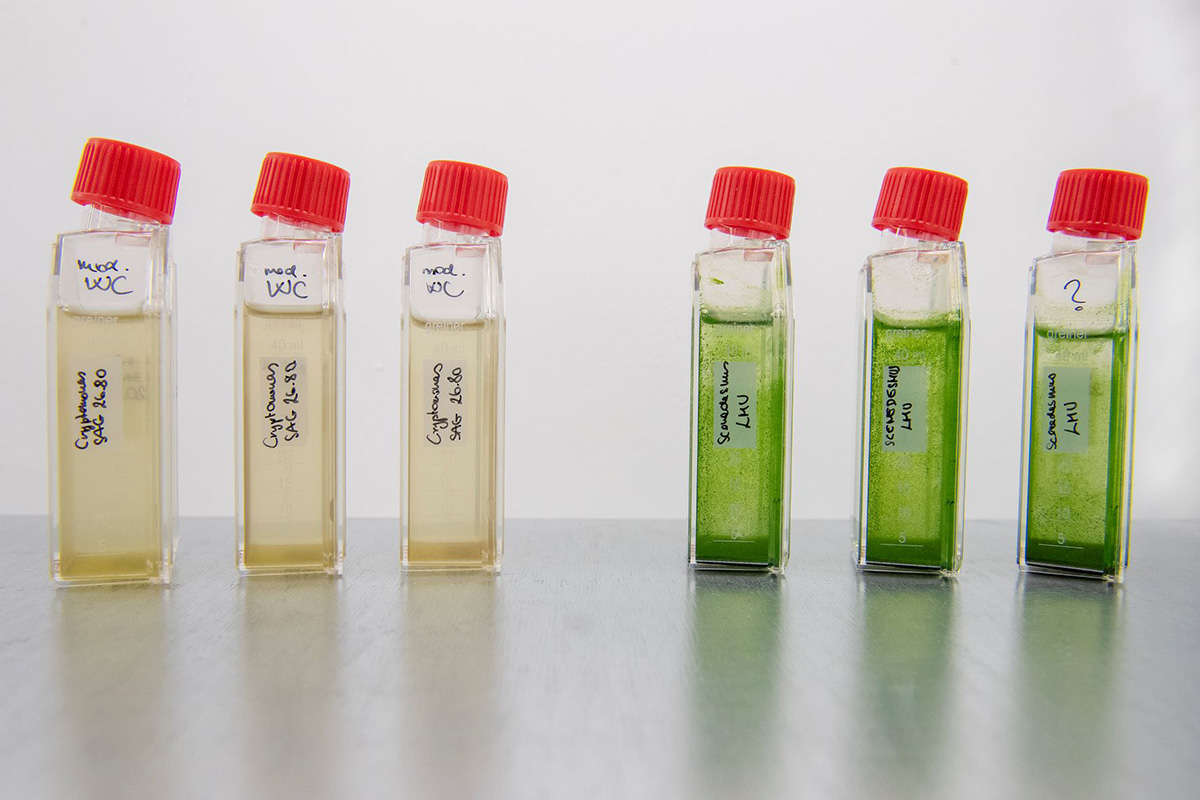
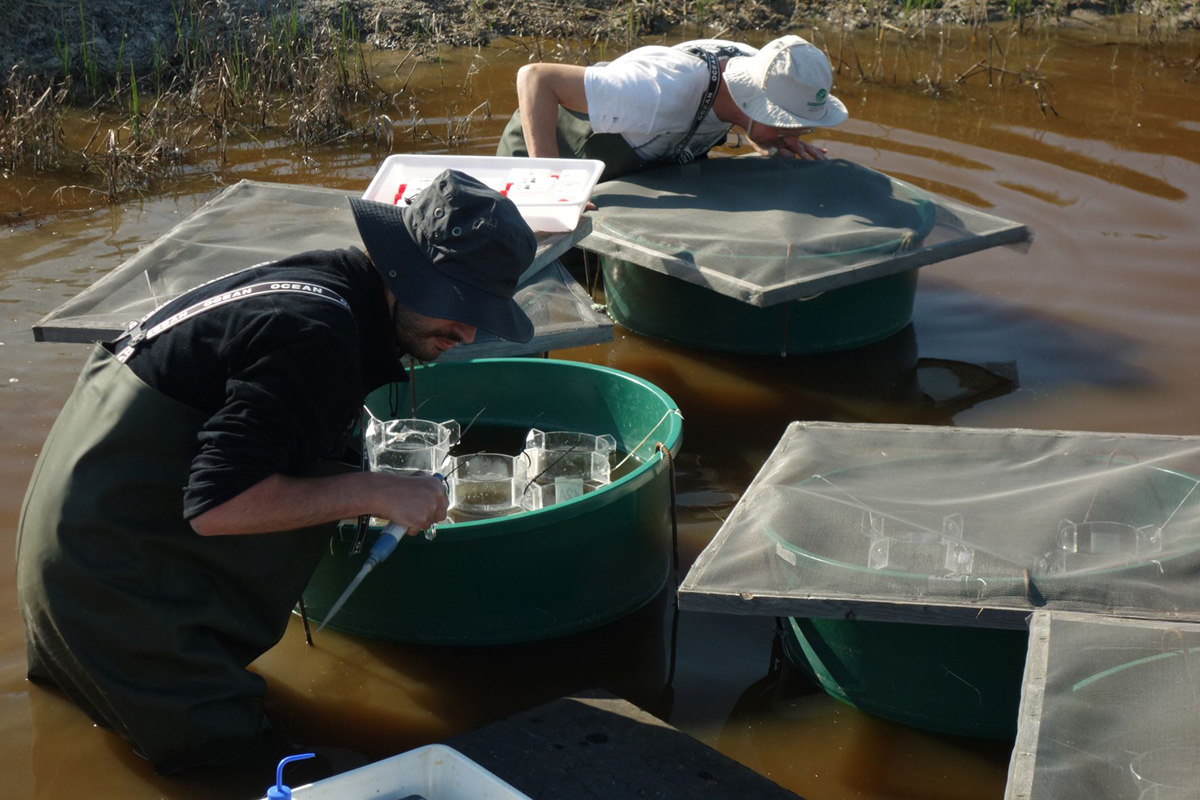
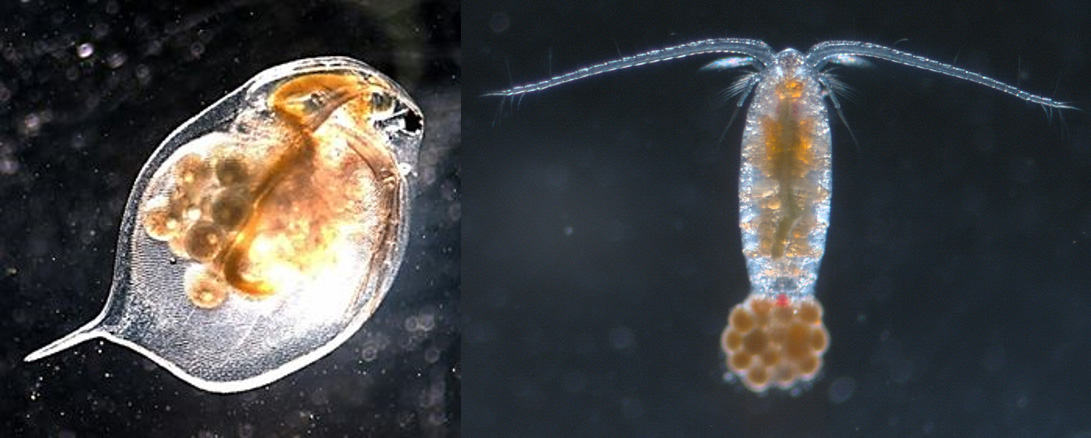
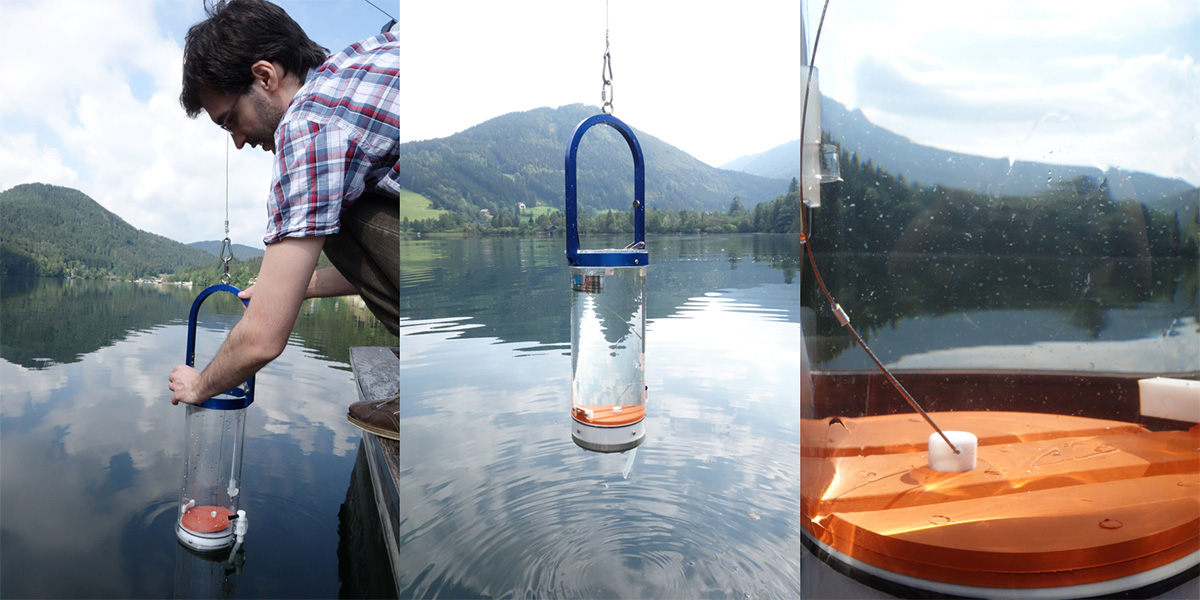
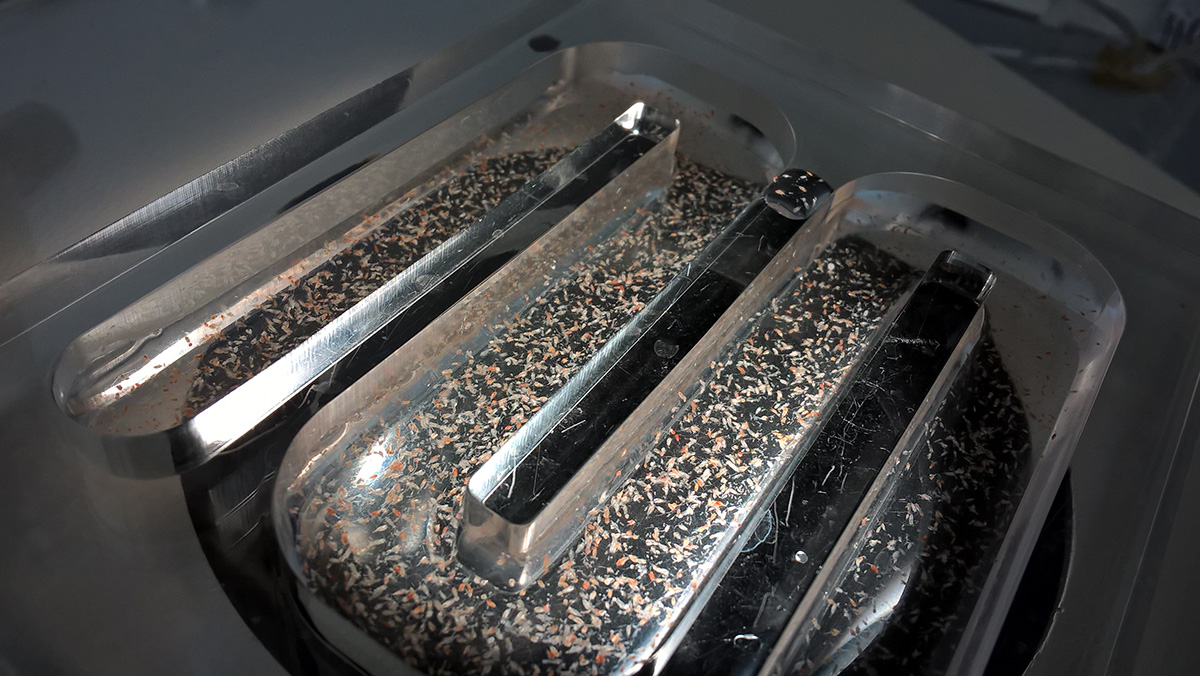
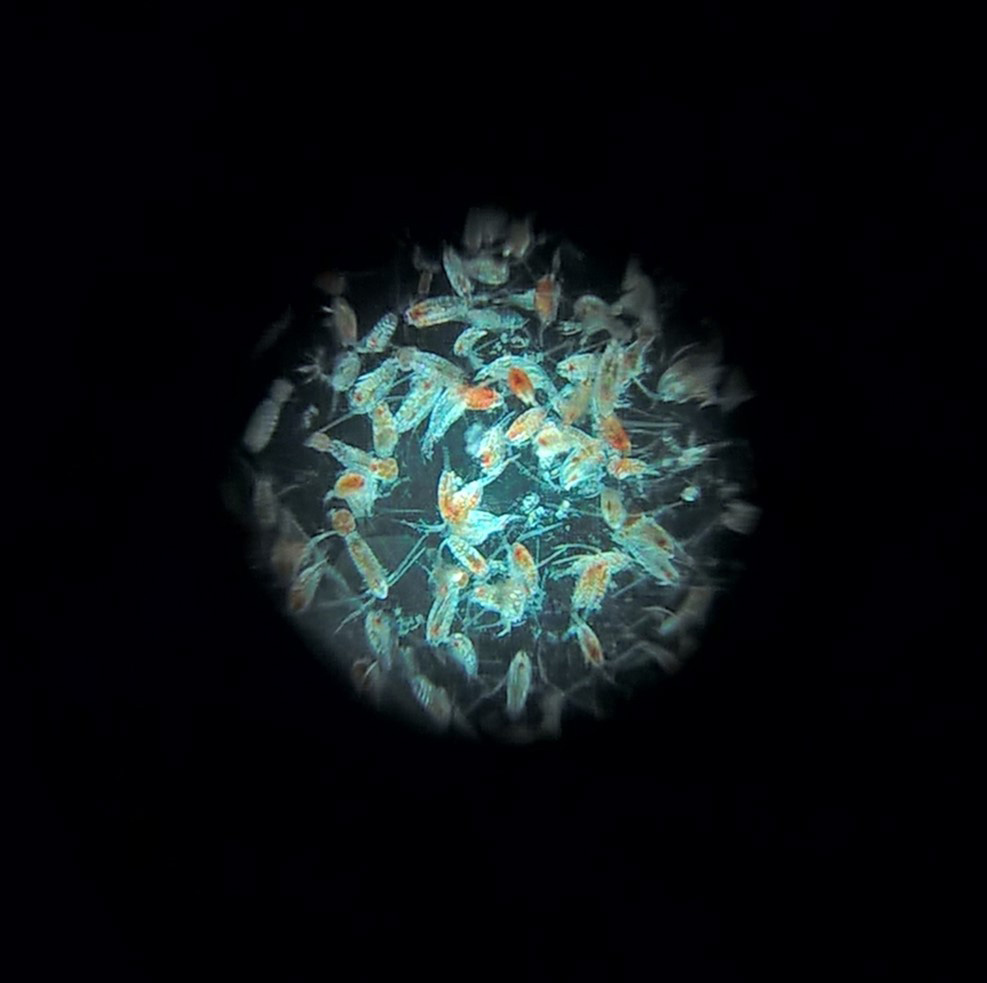
Planktonic organisms play central roles in aquatic ecosystems as main primary producers and by ensuring energy transfer to higher trophic levels. Our research group studies how phytoplankton and zooplankton communities respond to environmental gradients and anthropogenic stressors, and how changes in their composition and interactions affect aquatic food webs and ecosystem functioning. We combine field studies, microcosm and mesocosm experiments, and taxonomic and functional ecological approaches to better understand the mechanisms underlying community and ecosystem-level responses to global change stressors, including heatwaves, salinization, drought, and invasive species. We are also generally interested in the ecology and conservation of small standing waters, such as ponds, pools, and shallow lakes. These vulnerable habitats support high biodiversity, act as excellent model systems for ecological research, and are increasingly important for understanding and mitigating the effects of global change. We aim to contribute to a better understanding of their ecology and functioning, and to support their evidence-based conservation and restoration.
Selected publications

Huỳnh Thu‐Hương; Horváth Zsófia; Pálffy Károly; Kardos Vivien; Szabó Beáta; Dobosy Péter; Vad Csaba F.: Heatwave‐induced functional shifts in zooplankton communities result in weaker top‐down control on phytoplankton ECOLOGY AND EVOLUTION, 14 : 8, Paper: e70096 (2024)
2024
Rani Varsha; Horváth Zsófia; Nejstgaard Jens C.; Fierpasz Ádám; Pálffy Károly; Vad Csaba F.: Food density drives diet shift of the invasive mysid shrimp, Limnomysis benedeni ECOLOGY AND EVOLUTION, 14 : 4 (2024)
2024
Pálffy K.; Smeti E.: Combined effect of warming, nutrients, and species pool size on the seasonal variability of phytoplankton composition: A modeling perspective LIMNOLOGY AND OCEANOGRAPHY, Paper: 12548 (2024)
2024
Brans Kristien I.; Vad Csaba F.; Horváth Zsófia; Santy Luca; Cuypers Kiani; Ptacnik Robert; De Meester Luc.: Regional and fine-scale local adaptation in salinity tolerance in Daphnia inhabiting contrasting clusters of inland saline waters PROCEEDINGS OF THE ROYAL SOCIETY B-BIOLOGICAL SCIENCES, 291 : 2016. Paper: 20231917 (2024)
2024
Patonai Katalin; Endrédi Anett; Horváth Zsófia; Borza Péter; Pálffy Károly; Dobosy Péter; Vad Csaba F.: Trophic impact of an invasive mysid shrimp depends on zooplankton community composition: A mesocosm experiment. Freshwater Biology, 00, 1–12. (2024)
2024
Barta Barbara; Szabó Attila; Szabó Beáta; Ptacnik Robert; Vad Csaba; Horváth Zsófia.: How pondscapes function: connectivity matters for biodiversity even across small spatial scales in aquatic metacommunities ECOGRAPHY, 2024 (2), Paper: e06960 (2024)
2024
Huỳnh Thu‐Hương; Horváth Zsófia; Pálffy Károly; Kardos Vivien; Szabó Beáta; Dobosy Péter; Vad Csaba F.: Heatwave‐induced functional shifts in zooplankton communities result in weaker top‐down control on phytoplankton ECOLOGY AND EVOLUTION, 14 : 8, Paper: e70096 (2024)
2024
Rani Varsha; Horváth Zsófia; Nejstgaard Jens C.; Fierpasz Ádám; Pálffy Károly; Vad Csaba F.: Food density drives diet shift of the invasive mysid shrimp, Limnomysis benedeni ECOLOGY AND EVOLUTION, 14 : 4 (2024)
2024
Pálffy K.; Smeti E.: Combined effect of warming, nutrients, and species pool size on the seasonal variability of phytoplankton composition: A modeling perspective LIMNOLOGY AND OCEANOGRAPHY, Paper: 12548 (2024)
2024
Brans Kristien I.; Vad Csaba F.; Horváth Zsófia; Santy Luca; Cuypers Kiani; Ptacnik Robert; De Meester Luc.: Regional and fine-scale local adaptation in salinity tolerance in Daphnia inhabiting contrasting clusters of inland saline waters PROCEEDINGS OF THE ROYAL SOCIETY B-BIOLOGICAL SCIENCES, 291 : 2016. Paper: 20231917 (2024)
2024
Patonai Katalin; Endrédi Anett; Horváth Zsófia; Borza Péter; Pálffy Károly; Dobosy Péter; Vad Csaba F.: Trophic impact of an invasive mysid shrimp depends on zooplankton community composition: A mesocosm experiment. Freshwater Biology, 00, 1–12. (2024)
2024
Barta Barbara; Szabó Attila; Szabó Beáta; Ptacnik Robert; Vad Csaba; Horváth Zsófia.: How pondscapes function: connectivity matters for biodiversity even across small spatial scales in aquatic metacommunities ECOGRAPHY, 2024 (2), Paper: e06960 (2024)
2024
Borza Péter; Rani Varsha; Vad Csaba F.: Niche differentiation among facultative filter feeders: Insights from invasive Ponto-Caspian mysids CURRENT ZOOLOGY, 70 : 4. pp. 513-521. (2024)
2024
Vad Csaba F.; Hanny-Endrédi Anett; Kratina Pavel; Abonyi András; Mironova Ekaterina; Murray David S.; Samchyshyna Larysa; Tsakalakis Ioannis; Smeti Evangelia; Spatharis Sofie; Tan Hanrong; Preiler Christian; Petrusek Adam; Bengtsson Mia M.; Ptacnik Robert.: Spatial insurance against a heatwave differs between trophic levels in experimental aquatic communities GLOBAL CHANGE BIOLOGY, First published: 22 March 2023, Paper: 16692 (2023)
2023
Cunillera-Montcusí, David; Beklioğlu, Meryem; Cañedo-Argüelles, Miguel; Jeppesen, Erik; Ptacnik, Robert; Amorim, Cihelio A.; Arnott, Shelley E.; Berger, Stella A.; Brucet, Sandra; Dugan, Hilary A.; Gerhard, Miriam; Horváth, Zsófia; Langenheder, Silke; Nejstgaard, Jens C.; Reinikainen, Marko; Striebel, Maren; Urrutia-Cordero, Pablo; Vad, Csaba F.; Zadereev, Egor; Matias, Miguel.: Freshwater salinisation: a research agenda for a saltier world TRENDS IN ECOLOGY & EVOLUTION. 37: 440-453
2022
Varsha Rani; Tim Burton; Matthew Walsh; Sigurd Einum.: Evolutionary change in metabolic rate of Daphnia pulicaria following invasion by the predator Bythotrephes longimanus Ecology and Evolution, 12, e9003.
2022
Vad, Csaba F.; Schneider, Claudia; Fischer, Robert; Kainz, Martin J; Ptacnik, Robert.: From adverse to beneficial – contrasting dietary effects of freshwater mixotrophs on zooplankton FRESHWATER BIOLOGY. 66: 2272-2282
2021