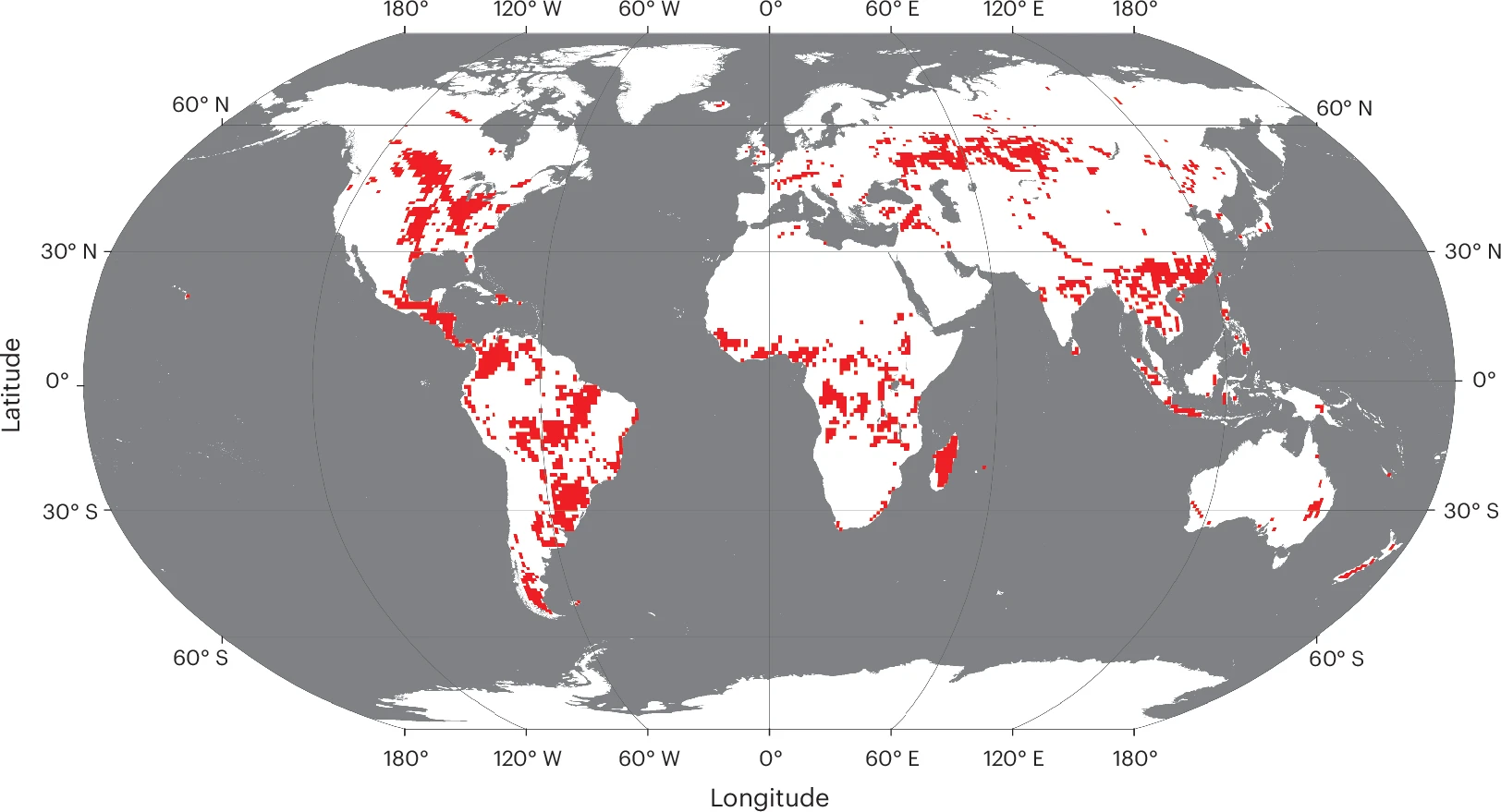
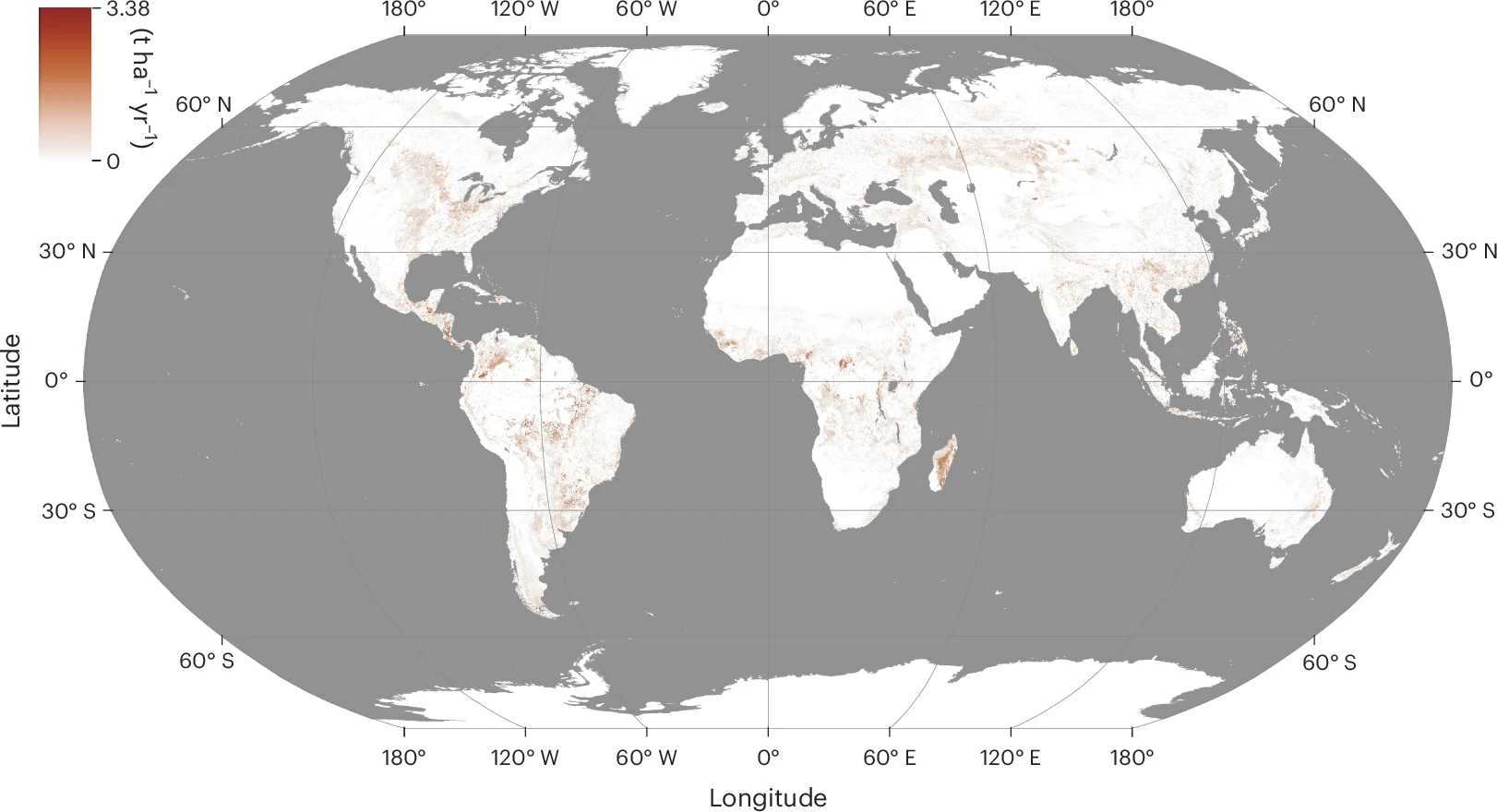
Climate change cannot be fixed by simple measures such as planting trees. New research published in Nature Geoscience journal shows that restoring our natural terrestrial habitats can remove much smaller amount of the carbon from the air than previous models suggested. Focus needs to be on rapidly reducing emissions and ensuring that initiatives are equitable and focused on climate change adaptation.
Senior author Ákos Bede-Fazekas, research fellow at the HUN-REN Centre for Ecological Research outlines that policymakers should take a holistic approach when considering ecosystem restoration, with a focus on biodiversity and nature’s contribution to people, while reducing emphasis on carbon sequestration. In the last 10 years, habitat restoration has been increasingly used as a means for climate change mitigation, a key element in response to both the climate crisis and the biodiversity emergency. The recurring theme being that it could offset a substantial fraction of human carbon emissions. This view was supported by earlier modeling results – but these followed the principle of “plant trees everywhere possible!”. Ecosystem restoration is a more complex process that requires greater consideration than simply establishing seminatural forests or, worse, creating tree plantations.
The international group of scientists was led by Csaba Tölgyesi, of University of Szeged, who highlighted: “Carbon sequestration modeling necessitates a more inclusive approach, considering all possible natural ecosystem types. Forests will store carbon mostly in their biomass, grassland in the soil. All ecosystems are good where they belong.”
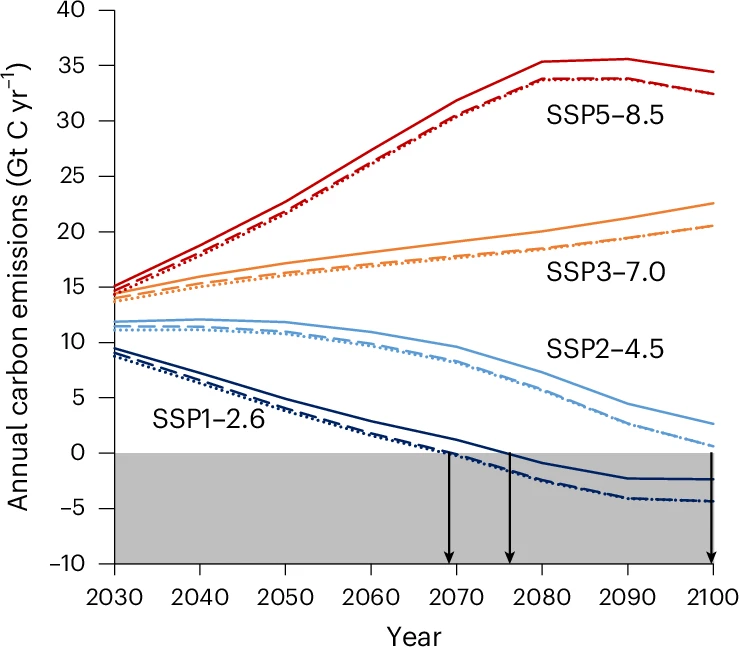
The available models and predictions still had some problematic assumptions and incorrect input data, which the researchers wanted to rectify to have a clearer view of the potential of ecosystem restoration in climate change mitigation. Hence, they made a model much more realistic than the previous ones had been. For example, their model does not force restoring forests in every location they are predicted to be suitable – including established grasslands with high carbon sequestration potential or productive agricultural lands. This led them not to a slight adjustment, but to a massive difference from previous carbon capture potentials. The scientists found that ecosystem restoration has a measurable but limited effect on atmospheric carbon concentrations if compared to previous predictions. In the greenest of all climate scenario, 17 percent of human emissions can be recaptured by 2100, while in the business-as-usual (most pessimistic) scenario, it is less than four per cent.
These model forecasts of climate change mitigation via ecosystem restorations suggest an urgent need for a change of direction in polices to transition to a low carbon economy.
Fellow author, Caroline Lehmann, of Royal Botanic Garden Edinburgh added: “With the limited likelihood of significantly mitigating climate change through global ecosystem restoration in the short or medium term, policies need to prioritize restoration activities in favor of vulnerable communities and biodiversity to support the resilience of nature and people with ongoing climate change.”
Historically, the burden for ecological restoration has been placed on the Global South with the offsetting and carbon sequestration agenda driven by the Global North. Not only is it unjust that the communities who did not create the problem of climate change bear the brunt of its solution, the study shows that a large number of potential priority regions for restoration for carbon gain are located across the Global North.
Land use change and the increased agrochemical use associated with agricultural intensification significantly alter farmland biodiversity and associated ecosystem services worldwide. Vineyards as ecologically, culturally, and economically important agroecosystems, are particularly vulnerable, facing numerous pests and diseases while only a small proportion adopt sustainable management practices. Nevertheless, under suitable conditions, vineyards can support diverse and abundant predator communities capable of delivering effective natural pest control services. Birds and bats, in particular, play a key role by consuming large quantities of insect pests. However, their contribution to biological control – especially in European permanent crops – remains understudied.
The collaborative study conducted by researchers from the HUN-REN Centre for Ecological Research and the University of Milan investigated the role of flying vertebrate predators – birds and bats – in vineyard natural pest control. Their findings, published in the Journal of Applied Ecology, demonstrate that these predators not only help regulate pest populations but also increase economic benefit to farmers.
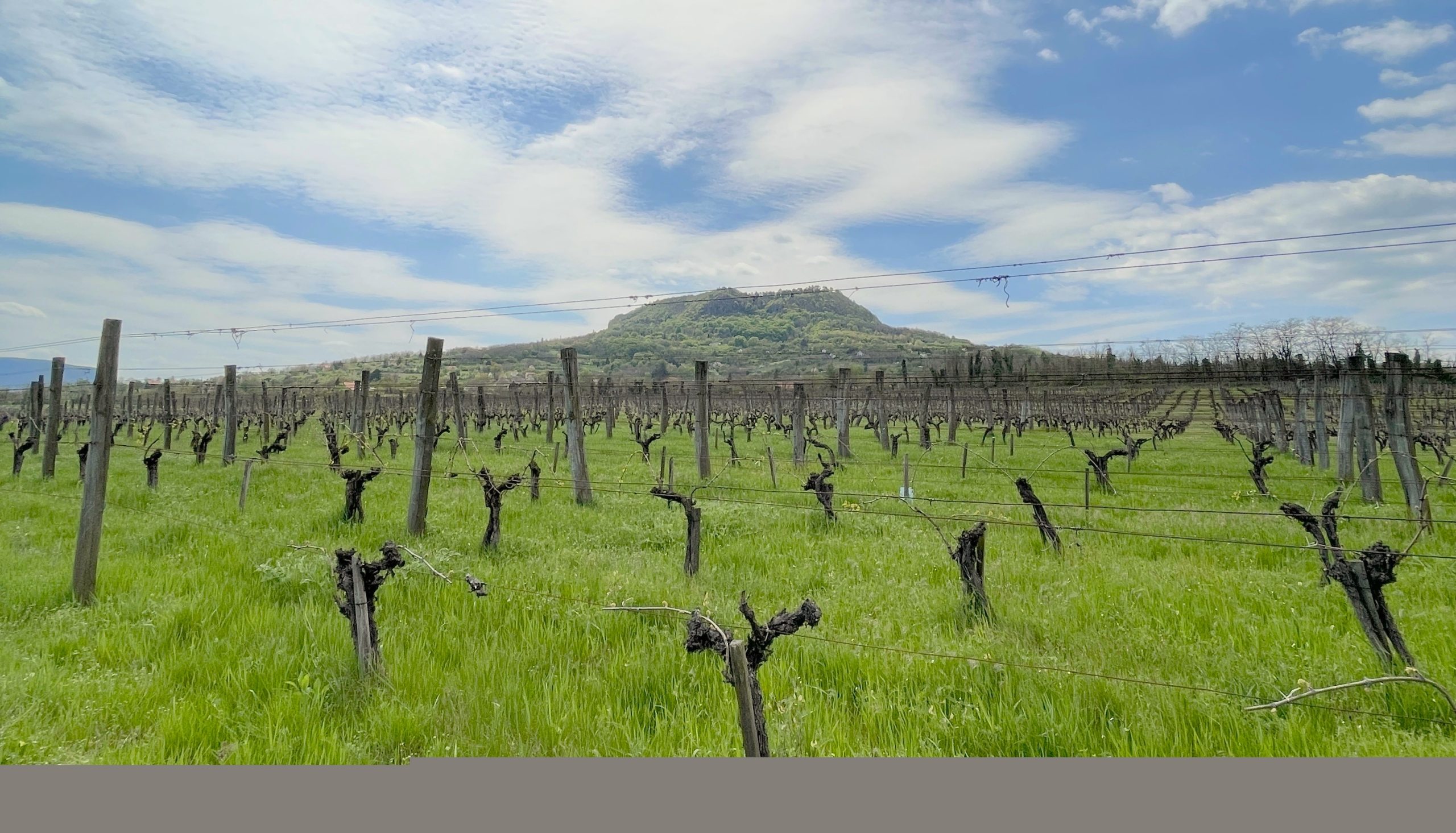
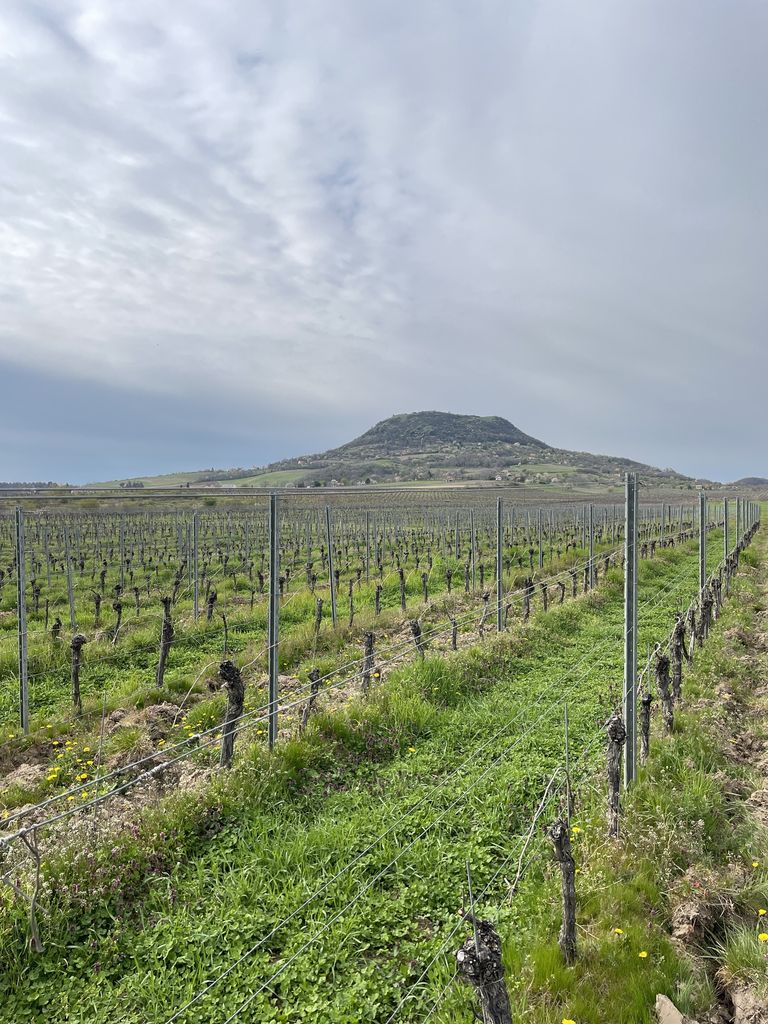
Vineyard with integrated pest management near Káptalantóti, in the Balaton Uplands region (photo: Tamás Lakatos).
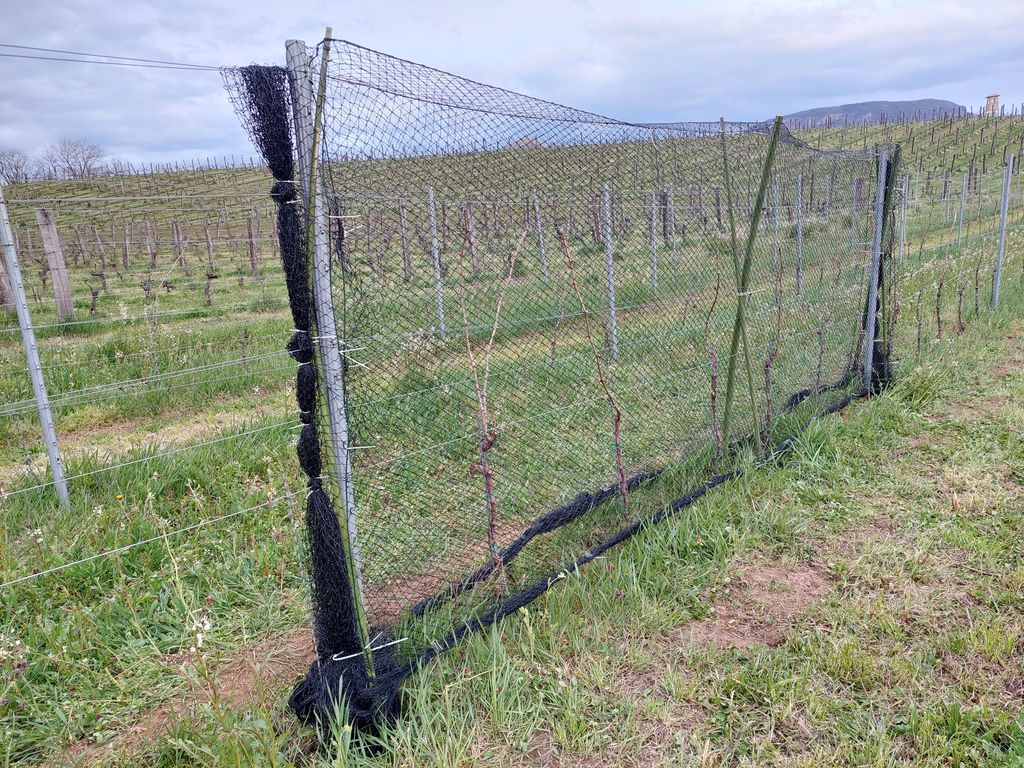
Using exclusion experiments in Hungarian vineyards with differing pest management regimes (organic farming vs. integrated pest management) and landscape contexts (forested vs. open, agricultural landscapes), the authors examined how birds and bats influence arthropod densities and related ecosystem functions. They recorded bird densities and bat activity, as well as the abundance of a key grape pest – the European grapevine moth (Lobesia botrana) – alongside phytophagous and predatory arthropods in the grapevine canopy. Additionally, they assessed fruit damage caused by moths, herbivory from canopy-dwelling arthropods, and associated predation pressure. Results showed that forested landscapes supported greater bird and bat activity in spring and were associated with reduced fruit damage, primarily due to the suppressive effect of increased bat activity on moth populations. While management practices had no measurable effect on birds and bats, organic vineyards hosted more canopy-dwelling arthropods and faced greater leaf herbivory, although also higher predation pressure on sentinel caterpillars. Most importantly, fruit damage and herbivory were consistently higher in exclusion treatments, underscoring the role of birds and bats in mitigating herbivory and enhancing crop yield.
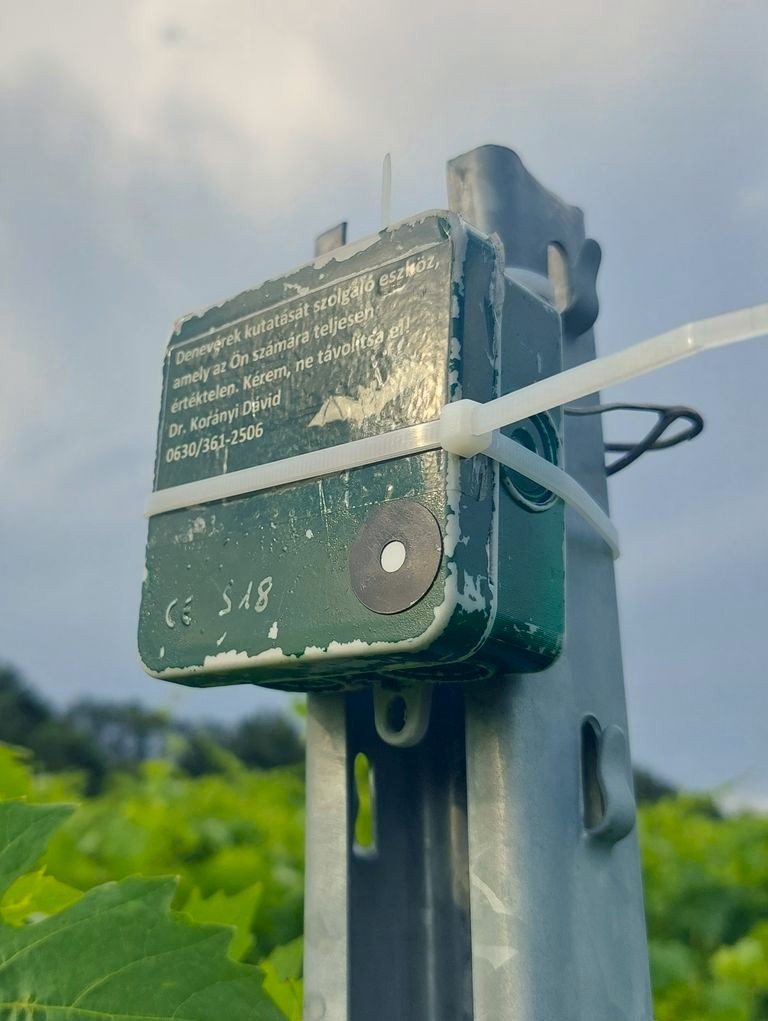
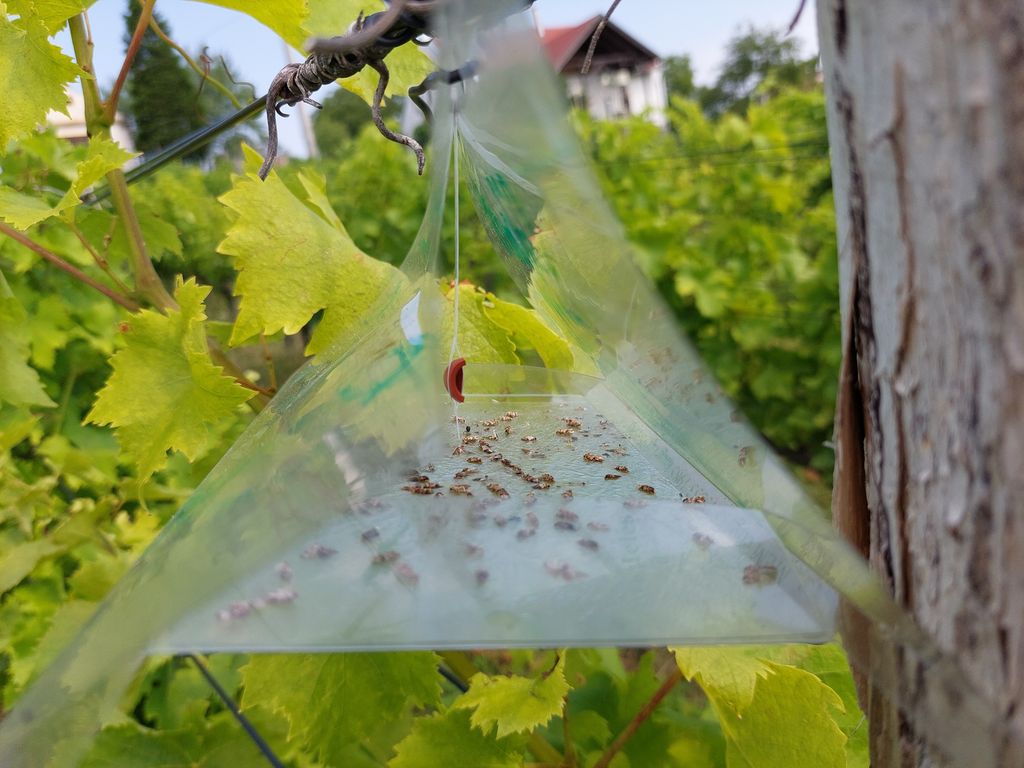
Grapevines inside a cage used for the exclusion of birds and bats (photo: Dávid Korányi).Installed AudioMoth device in a waterproof case for bat sound recording (photo: Dávid Korányi).Grapevine moth (Lobesia botrana) specimens caught with a pheromone trap (photo: Dávid Korányi).
These results highlight the ecological and economic value of birds and bats as natural pest control agents. Dávid Korányi, lead researcher of the field experiment, explains: “The presence of these predators can be promoted by maintaining connected landscapes with native deciduous forest patches, hedgerows, and small groups of trees that offer abundant food sources and suitable nesting or roosting sites.” The study also underscores the importance of local vineyard management in pest control. The senior author of the research, Péter Batáry, adds: “Pest control services can be further enhanced through organic management, which avoids herbicides and synthetic insecticides, thereby facilitating the colonization of beneficial arthropods and strengthening pest predation pressure in vineyards.”
Publication:
Dávid Korányi, Sándor Zsebők, András Báldi, Mattia Brambilla, Máté Varga & Péter Batáry (2025). Forest cover enhances pest control by birds and bats independently of vineyard management intensity. Journal of Applied Ecology. https://doi.org/10.1111/1365-2664.70094
Requests for copies of the study and interviews can be sent to:
Dr. Dávid Korányi – HUN-REN Centre for Ecological Research: koranyi.david@ecolres.hu
Dr. Péter Batáry – HUN-REN Centre for Ecological Research: batary.peter@ecolres.hu
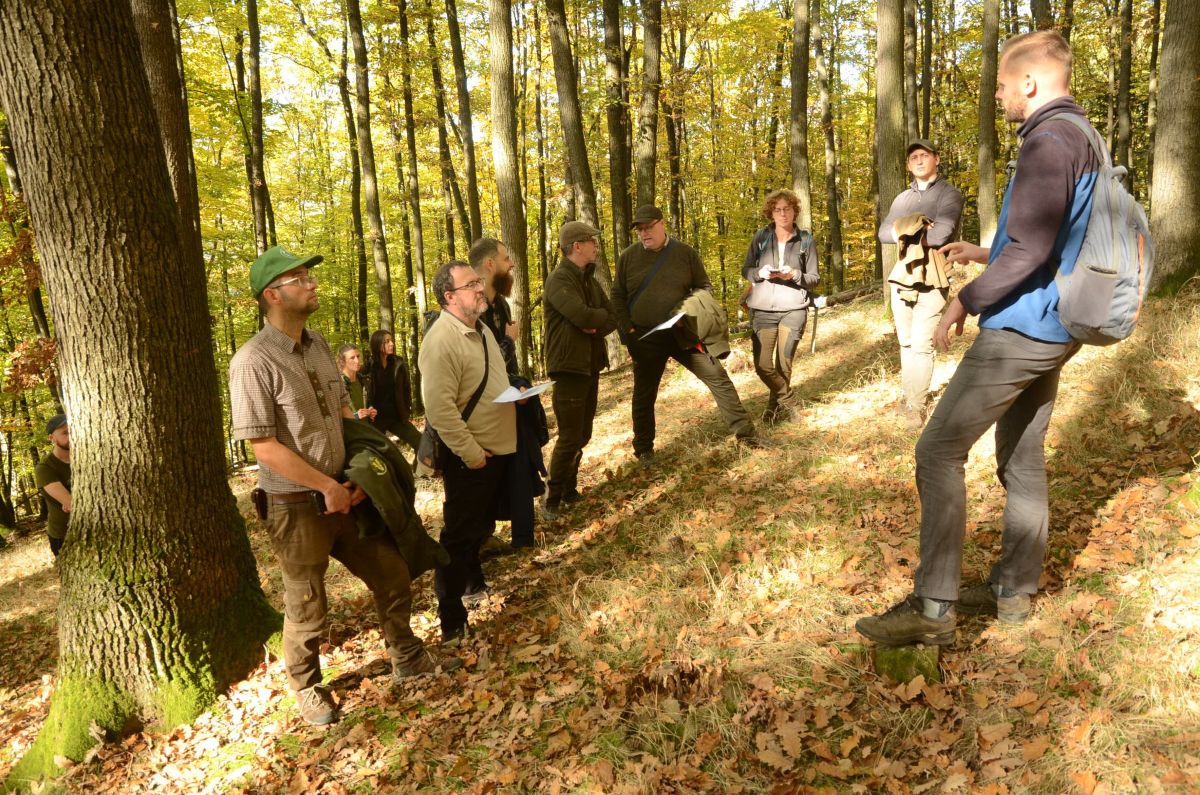
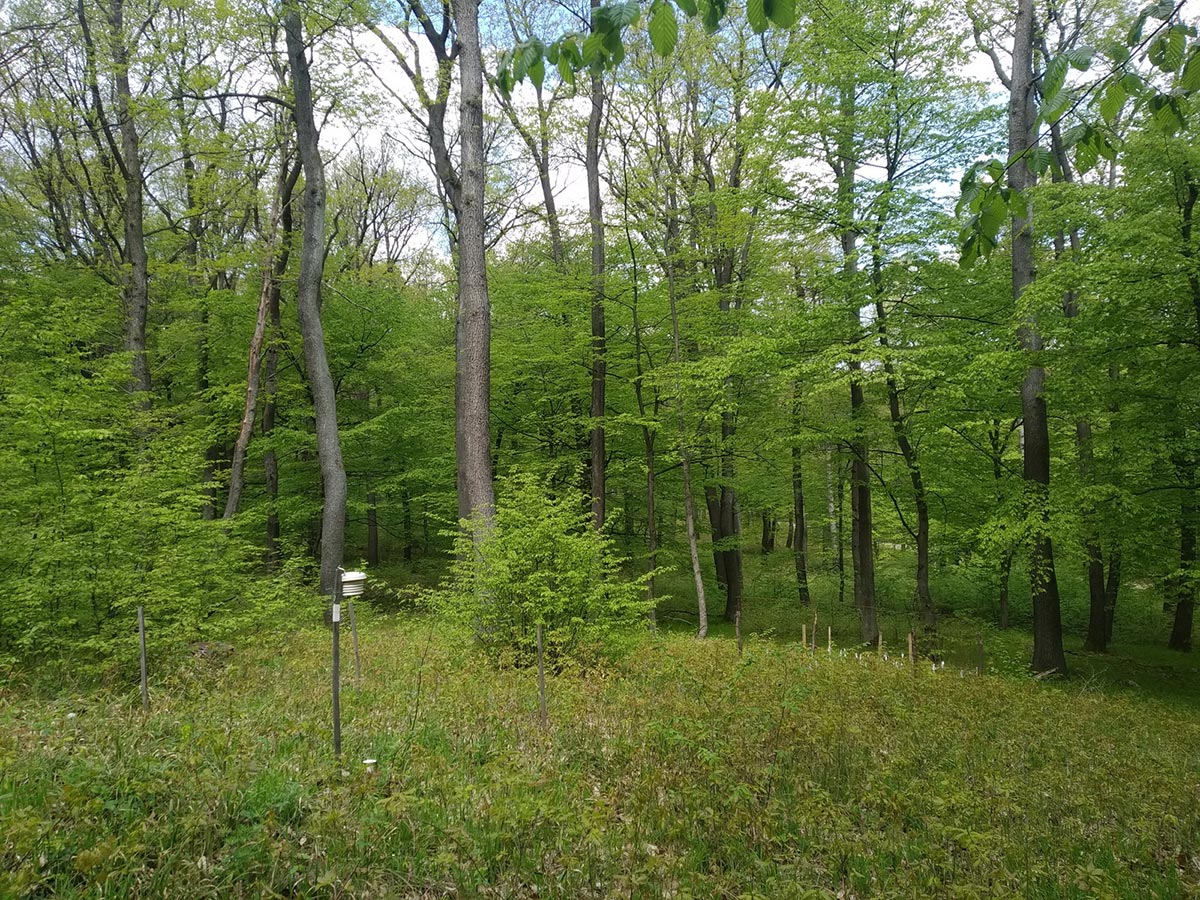
A new research project started in the HUN-REN Centre for Ecological research titled „Increasing the ecological sustainability of oak forests by close-to-nature forestry based on experimental research (#oakadapt)”. The project is founded by the Interreg Slovakia-Hungary Programme. It is based on a collaboration between Slovakian and Hungarian research and forest management organizations, the leader of the consortium is the Technical University in Zvolen. The scientific leader of the project in the HUN-REN Centre for Ecological Research is Dr. Péter Ódor.
Central European oak dominated forests have been used for centuries and currently exhibit serious biodiversity decline associated with global environmental changes. Nonetheless, they preserve considerable natural capital. They have a key role in the timber provisioning for the society, protection of forest biodiversity and recreational purposes. They have a large potential in mitigation of climate change, protection of soil and water. Forest management has high responsibility in the sustainable use of forests, integration of protection elements and resilience against climate change. Developing sustainable management approaches that increase the resilience of forests and support biodiversity are central in current applied ecological research. Scientists from the Technical University in Zvolen (SK) and the HUN-REN Centre for Ecological Research (HU) experimentally investigate the effects of different forestry interventions and gap-cutting characteristics on forest microclimate, biodiversity, tree growth, and regeneration. Within the project, they will continue their experiments, make comparisons between forest stands managed by continuous cover forestry and rotations forestry, produce scientific research papers and transform the results into the forestry practice for local management partners: Forests of Krupina City (SK) and the Pilis Park Forestry Company (HU). This research can contribute to the scientific basis of continuous cover and close-to-nature management systems, that are used by the manager partners on large forest area. In addition, new management guidelines for ecologically sustainable forestry will be prepared in cooperation with National Forest Centre (SK) and Real Forest (SK) organizations. Pilis Park Forestry Company will develop and introduce the administration system of gaps and gap management, as well as introduce a monitoring of game browsing for successful forest regeneration. National Forest Centre will provide service for data sharing and information reflecting favourable status of forest biodiversity before global environmental changes. Such information and databases will support knowledge-based decision-making and partner’s cooperation. Results of the project will be widely disseminated among stakeholders, including education, nature conservations and forestry sector and provide important example and reference for future climate smart forestry.
Project information:
ID: HUSK/2302/1.2/168
Lead researcher: Ódor, Péter
Planned duration: 2024-2027
Amount of support: 336.000 EUR
EU contribution: 268.800 EUR
National contribution: 67.200 EUR
Founding organization: Interreg Slovakia-Hungary
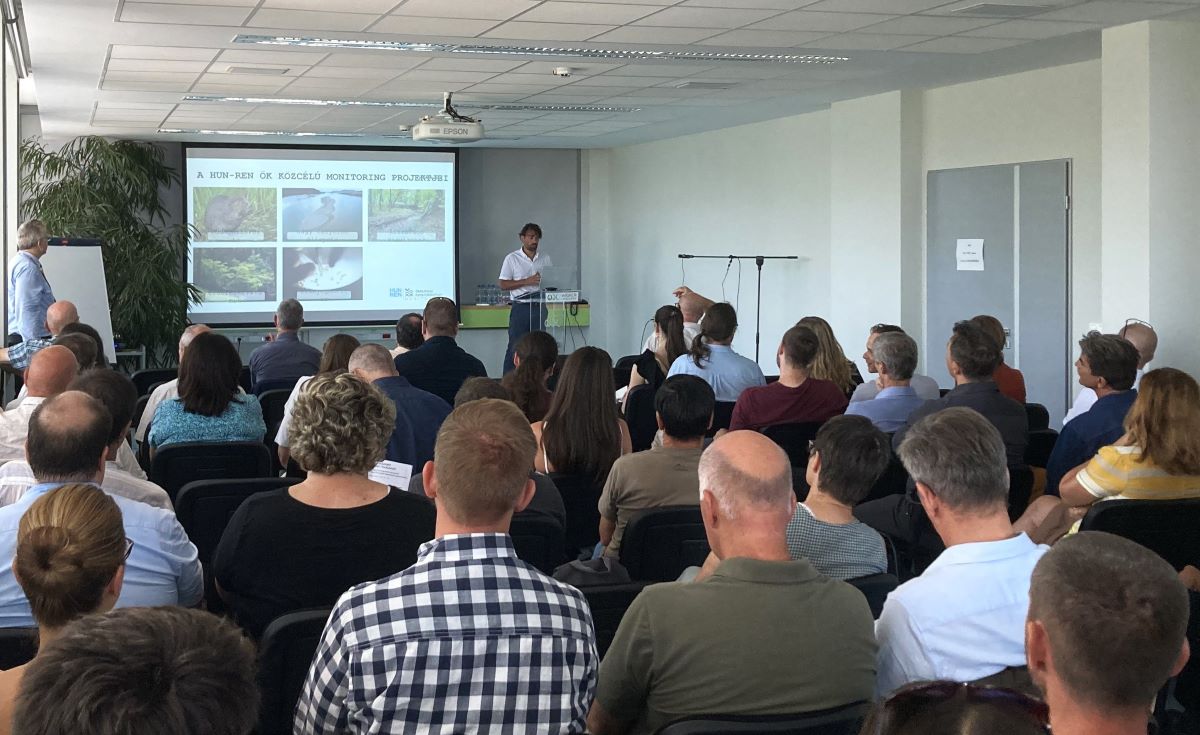
The HUN-REN Centre for Ecological Research organised a workshop on ‘The role of ecological monitoring in understanding Hungary’s key environmental problems and developing evidence-based solutions’ on 2 September 2024. The meeting was attended by 75 participants, including researchers from HUN-REN CER and several research institutions and universities, representatives from the Hungarian Research Network (HUN-REN) Headquarters, and partners from the fields of public nature conservation, public health, water, forestry, NGOs and private companies.
During the morning programme, Director General László Zsolt Garamszegi first presented the mission and the strategic concept of the public monitoring programme of the Research Centre. Ecological monitoring is a scientific activity for public purposes, in which socially, economically and environmentally important phenomena are monitored regularly. The aim is to identify and prevent harmful effects on society, the economy, and the environment as soon as possible, and to support positive processes by analysing and interpreting the data collected. The ecological monitoring activities of the HUN-REN CER mostly cover key gaps that cannot be filled by the programmes of public bodies and cannot be adequately covered by data. We have country-wide monitoring programmes and monitoring systems that operate on a regional basis, but there is also the potential to extend the know-how to a national level. Some of these programmes monitor the status of entire ecosystems, while others focus on specific groups of organisms or species that are key for environmental, social, and economic reasons. The programmes address key areas of relevance to the public sector, specific sectors and society and provide science-based answers to important practical questions.
You can read more about our monitoring programmes here: https://ecolres.hun-ren.hu/tarsadalom/#kozcelu.
During the morning Tamara Szentiványi presented the Mosquito Monitor programme, Péter Ódor and Ferenc Horváth the Forest Reserve Monitoring programme. The three sub-programmes of the River Water Monitoring Programme were then presented by the researchers: Pál Boda presented on the monitoring of drying small rivers, András Abonyi on the monitoring of large rivers, and Erika Juhász on the monitoring of beavers. During the afternoon workshops, the professional discussion continued along these main themes. The topics of the three workshops were: River water monitoring programme – water scarcity, biodiversity crisis, human-wildlife conflicts; Strategic issues in forest reserve monitoring; Mosquito monitoring programme – epidemiological aspects and mosquito control practices. One of the main lessons of the workshop was that cooperation between the public and private sector, and the research community is essential to tackle the environmental problems of our time.
Researchers at the HUN-REN Centre for Ecological Research (HUN-REN CER) are continuously studying the effects of changing environment on ecosystems, caused by human activity and climate change, and how animals respond to it. They recently showed that the increase of salinity of ponds can drive the evolution of planktonic organisms, and this process can be observed in the Daphnia (water flea) populations in the sodic water of World War II bomb craters in Hungary. The paper presenting their latest discoveries has been published in the flagship biological journal of the Royal Society, Proceedings of the Royal Society B.
Natural ecosystems are exposed to a multitude of stressors including climate change, urbanisation, or the rising salinity of aquatic habitats. These stressors change the environmental conditions, which determine the success of organisms. The emerging spatial variation in environmental factors is called a gradient. The Plankton Ecology Research Group at HUN-REN CER, led by research fellow Csaba Vad, studies the effects of environmental change on the functioning, species composition, and evolution of planktonic communities.
“Organisms have to adapt to environmental stress, otherwise they go extinct,” the researcher says. “Sensitive species can be replaced by other more stress-tolerant species, or the resident populations can also adapt to the changing environment. In other words, an evolutionary adaptation occurs in the population, and this provides an opportunity to survive in the habitat.”
Salinisation, the increasing salinity levels of aquatic ecosystems, is a global threat. The salinity of large lakes is rising as well, but the change can be much more dramatic in shallow temporary ponds. Salinisation is caused by many factors, but one of the most important drivers is increasing evaporation (as a result of warming). Meanwhile, pollution from mining or other industrial activities, or the environmental effects of urbanisation can also lead to salinisation.
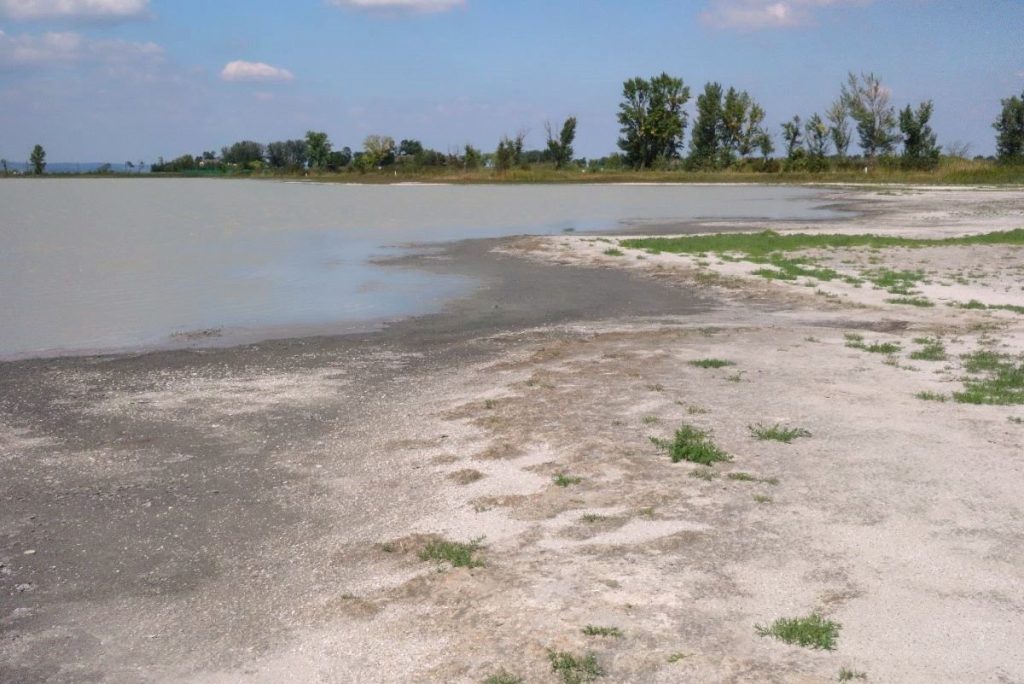
Soda pan in the Seewinkel area, Austria (Oberer Stinkersee, photo: Horváth Zsófia)
Soda pans are naturally saline habitats in the lowlands of Carpathian Basin. The researchers studied the plankton communities and salinity of these soda pans and compared them to the communities of ~80-year-old sodic bomb crater ponds in the Great Plains of Hungary. Their exact origin is somewhat uncertain, but some sources suggest that during World War II, American bombers bombed the plains instead of the nearby airport, creating more than 100 explosion craters in an 800 m diameter circle. These craters were filled with sodic water and have since become very useful model systems for ecological research.
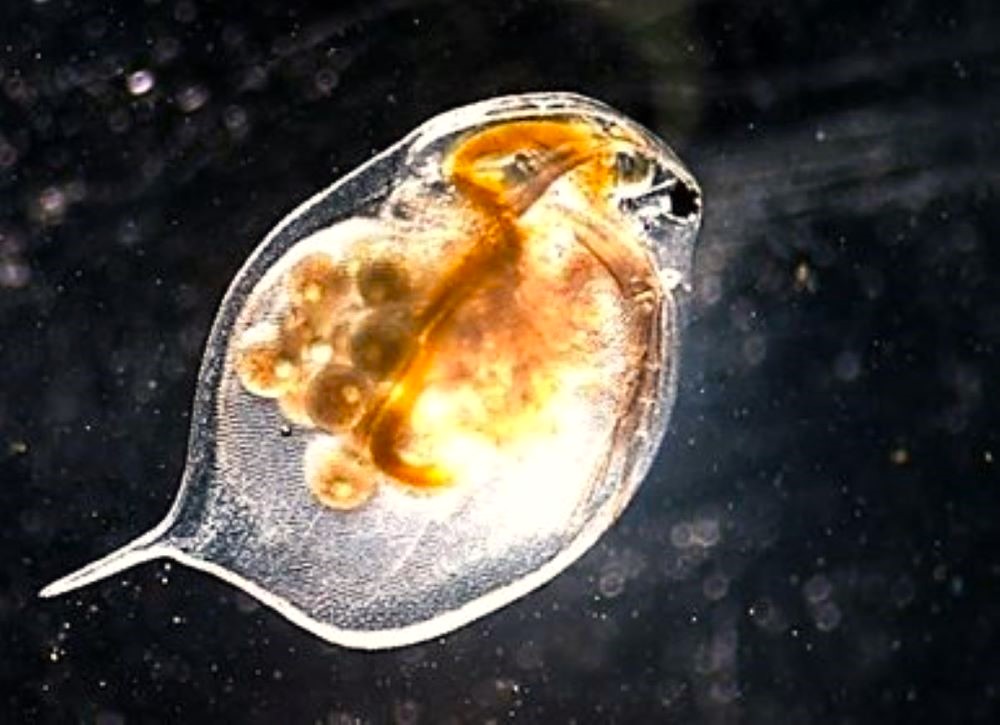
The salinity of the bomb crater ponds varies widely, so ecologists were able to compare their Daphnia populations and find out whether they are adapted to this environmental factor. Water fleas, such as the object of this study, Daphnia magna, are large-bodied zooplankton species, which are common model organisms in ecological and evolutionary research, because they play important roles in aquatic communities and can be kept easily in laboratories. “We wanted to find out whether the salinity tolerance of Daphnia originating from ponds with low and high salinity levels is different”, tells Csaba Vad. “We also studied soda pans, which are also sodic and hold similar zooplankton communities to the bomb craters. Both types of these habitats are naturally saline, and can be used as model systems, because their clusters consist of several ponds with different salinity levels in close proximity to each other.”
If local adaptation occurs, the salinity tolerance of the populations is matching with the salinity levels of their home ponds. This means that water fleas from more saline ponds will have a higher salinity tolerance compared to the Daphnia from less saline waters. In theory, local adaptation could be more prominent in more isolated habitats (in ponds more distant in space), because the mixing of their populations with others is less likely in the case of more distant habitats. The soda pans are kilometres apart, while bomb crater ponds are only a few metres away from each other. So, based on merely the position of ponds, more intense evolutionary patterns could be expected to be found in soda pans. But this was not the case.
Local adaptation (adaptation to the local salinity concentrations) was only found in the bomb crater ponds, which are very close to each other in space. There are some possible reasons underlying this observation. For example, salinity levels in soda pans are usually higher and more variable within and across years than in the bomb crater ponds. Soda pans are also shallower and larger, while bomb craters are deeper and smaller in diameter. When soda pans dry up, the resting eggs of water fleas can be easily blown to another pond by the wind. In contrast, bomb craters dry up more rarely (only in years with extreme weather conditions), their salinity level fluctuates less, and during the explosion, a prominent rim was created along their edges. Thus, Daphnia eggs cannot be as easily transported among the neighbouring ponds, and the more stable salinity levels allow for local adaptation to this stressor.
The researchers found adaptation to salinity in the soda pans as well, but this occurred on a regional level. Soda pans have a higher average salinity level than bomb craters, therefore the water flea populations from soda pans have higher overall salinity tolerance than those from the bomb crater ponds.
“Despite soda pans being more distant from each other, because of their more frequent drying-up, the gene flow among their Daphnia populations is more intense,” argues Csaba Vad. “Furthermore, many waterbirds visit soda pans, which transport several aquatic organisms from one pond to another. These circumstances overall reduce the possibility for local adaptation in this habitat type. In contrast, we found strong local adaptation in bomb crater ponds, which are sometimes only a few metres apart. Our results show that the response of aquatic communities to salinity may be influenced by several factors.”
Opening image: The model organism of the study, the water flea Daphnia magna Photo: Zsófia Horváth
Corrado Alessandrini is an Italian PhD student visiting HUN-REN Centre for Ecological Research, and lives inside the National Botanical Garden in Vácrátót. He studies the agro-ecology of apple orchards in Trentino, and Europe’s most alpine birds, the snowfinch. He discovered that the climate change is destroying the unique microhabitats which are essential for the survival of this unique species. Corrado feels great about being connected to the nature literally every minute in the Garden, with all the trees and flowers blooming, and the birds calling, greeting the spring.
– Why are you visiting the Centre for Ecological Research?
– My Phd is upon the EU-funded National Recovery and Resilience Plan (PNRR), which requires to have a period abroad during the PhD (to make science more interconnected at the European level). I already knew Péter Batáry, head of the Lendület Landscape and Conservation Ecology research group, for his several works on agro-ecology and – since my supervisor, Mattia Brambilla, personally knew him, we thought that he could be a good teacher for my period abroad. He kindly accepted me in Vácrátót for a 6-months stay. I have been now here for five months, sadly time is running out! During my stay here, I have been basically studying my own data, but by applying and learning the techniques that the research group uses here, basically within the fields of Landscape and Community Ecology.
– Please tell me about yourself and your studies first. What’s your background and what are you studying?
– I’m a naturalist from Rome, Italy. I started a bachelor in natural science, so I integrate animals, plants, rocks, and ecosystems in my studies. This gave me an holistic view that I really enjoy having in my background. After the BSc, I kept studying in Rome for a master’s degree in Ecology and Conservation. As a master thesis I contacted Mattia Brambilla from University of Milan and together we studied the foraging ecology of the white-winged snowfinch (Montifrigilla nivalis), an alpine bird species endangered by climate change, by using innovative methodes of remote sensing. Thanks to this, we’ve disclosed new aspects of the species’ ecology and reaffirmed its dependence on climate-sensitive habitats, which poses a threat on the species. After that, I went to Oviedo (Spain), to keep studying this bird with Maria del Mar Delgado, again integrating field studies with remote sensing, which is very helpful in such harsh environments like mountains.
– Your PhD topic is about the connections between agriculture and wildlife communities. Why is this topic interesting to you?
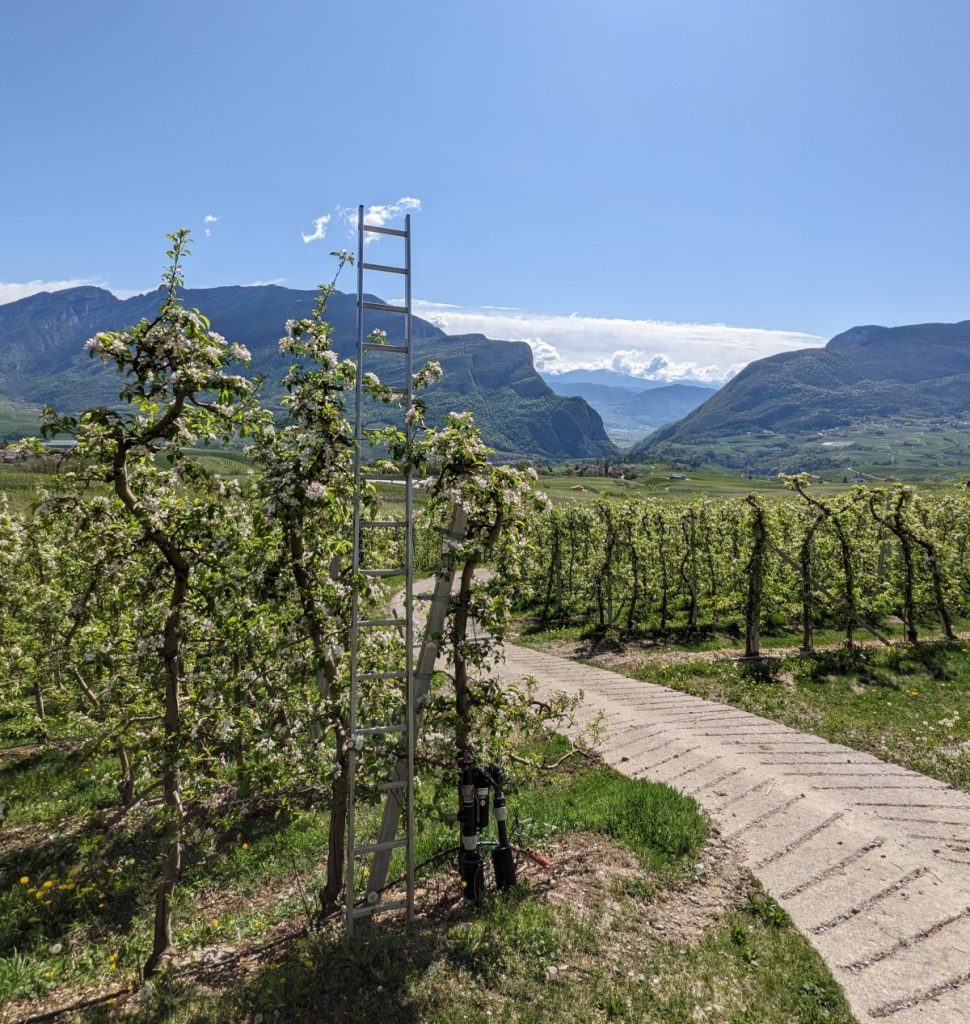
– Yes, I’m currently a PhD student at University of Milan, with a field project in the Non Valley (Trentino, north of Italy), one of the most productive areas for apples in all Europe. There, farmers are trying to make the production more sustainable, so they wanted us to study the biological communities that live inside the apple orchards to try to understand whether their activities are impacting these communities and how such communities can provide valuable ecosystem services for the apple production. So, last year we started this project by firstly focussing on three taxa: birds, pollinators (especially insect pollinators), and rodents. These taxa are involved in the supply of important ecosystem services, basically insect-pest control (insectivorous birds feeding on apple pests), pollination (by bees and other wild pollinators), and weed control (whose spread is controlled by granivorous birds and rodents). Richer biological communities (and especially the occurrence of rare bird or butterfly species) can also be very attractive for nature-based tourism, which is an important asset for the whole Trentino province.
– You are accommodated inside the National Botanical Garden in Vácrátót. How does it feel?
– Definitely great! I lived in Milan this past year. And Milan is a very crowded, “hyper-urban” city, I would say, with very few green areas. While here I’m all the time connected with nature. Literally every single minute I can hear some bird calling. For instance, now birds are “warming up” for the breeding season, and many have already started singing. Trees are sprouting after the winter, and the first flowers are shyly colouring the Garden. Few weeks ago, squirrels came out of dormancy, they really looked sleepy! Well, every day you can find something going on when you have so much life around. And for me, as a naturalist, this is precious.
– In Italy, you cooperate with the apple farmers. Is there any conflict between the ecologists and farmers because of their different interests?
– We work with a farmer’s association that started to push towards a more sustainable agriculture 20 years ago by adopting integrated management. Their practices are not pure conventional, indeed, and they do intend to be more sustainable in their production. This makes our cooperation much easier. Of course, we come from very different perspectives, but we need one another, because we do love apples, and they do want to hear blackbirds singing in their orchards. The main goal of agriculture is to produce food, not to save birds, and we do acknowledge that we all need this food. On the same time, we all know that conventional intensive agriculture is driving farmland birds to extinction and that it severely impacts wildlife (and human) health. Here we are trying a new way. Sometimes (and my supervisor Mattia Brambilla proved this in previous works in vinyards), very little things can make a huge difference for biodiversity. For example, by slightly shifting the timing of mowing the grasses inside the orchards we could sustain much richer pollinator communities (that forage on those herbs and flowers). You see, this alternative management doesn’t really affect farmer’s production, but it does help biodiversity. Solutions like this is what we are all looking for.
– You conducted a lot of studies on the snowfinch. Why is this bird so important to you?
– The white-winged snowfinch has quite a large distribution area. It is found originally in the highest mountains of the Himalaya, but, as the only species from its genus (Montifringilla), came to Europe as well, following all the mountains: Caucasus, Balkans, Alps, and Pyrenees. Nowadays it’s the most cold-adapted species in Europe. This is the most alpine bird we have: in fact, it’s the only one that can survive above the tree line (which means roughly above 2000 m), even during winter. They can live with all snow around in very harsh conditions. Because they are adapted to cold, they are one of the most endangered species in the age of climate change, and note that mountains are warming up twice faster than lowlands. This is why we are so concerned about studying its European population. We have already found evidence of population declines (e.g. in Switzerland), and we found that they depend on climate-sensitive habitats. We focussed on their breeding ecology: this is a critical period, when the adults forage for the newborn chicks. We saw that they forage in specific microhabitats (namely snow patches, snow margins, and low-sward grasslands) which are all predicted to disappear in a very near (warmer) future. We expect that, as in a few years they would have more problems in finding suitable microhabitats for feeding their chicks, this would hamper their survival and therefore the fitness of the whole population.
– How do you study the snowfinches and their habitat?
– I wanted to assist the current research with the potential of remote sensing, which is nowadays able to capture at high resolution what’s going on Earth’s surface. We use satellites to describe the environment where the birds live, so we don’t need to go up there to see whether vegetation is blooming or to estimate snow cover during the breeding season. By using satellites, we can record such changes remotely, every 3 to 5 days, in a very uniform way, and simultaneously over very large extents. We found that remote sensing can be a useful conservation tool. Once you know the area where they live, for instance, a national park, you can keep tracking the evolution of those critical habitats (snow patches and short grasslands) across the breeding season, and eventually act if conditions become critical.
– Is the climate change affecting the whole bird community or there are some species which are affected most?
– In general, it starts by affecting specialist species (which are less capable to face environmental changes due to their high degree of ecological specialization), but later its effects propagate to the whole community. Communities are constantly adapting to changes in the environment (this mechanism is called “homeostasis”). But climate change is now stressing them at an unprecedented level, by disrupting many ecological dynamics at the same time. This results in a general loss of the resilience of bird (or any other animal) populations, and their ability to cope with other environmental changes also declines. In high mountains, for instance, we now know that climate and ski tourism (another important – anthropogenic – source of environmental change), are synergically impacting on our bird communities.
– What are your plans after you go back to Italy?
– We will continue investigating the birds in the Non Valley. From the data we collected last year, we noted very low densities of great tits, an insectivore species that is very important for controlling the outbreaks of pest insects in orchards. Hence, we now want to test whether providing them with nest boxes (where they can breed) can help increasing their population inside the apple orchards, therefore maximising the supply of the pest-control ecosystem service. Besides this, on a longer term, I think I will keep doing the same: studying nature to provide solutions for better policies, which is what conservation biology does. No matter where, in the agro-ecosystems or up on the mountain tops, always trying to push us all to be a little bit “softer” with our Earth.
Gábor Boross, an evolutionary and systems biologist, returns to Hungary as part of the HUN-REN Welcome Home and Foreign Researcher Recruitment Programme, following his postdoctoral research on lung cancer evolution in mice at Stanford University in the United States. At the Institute of Evolution of the HUN-REN Centre for Ecological Research, he will establish a new research group to investigate how the ‘driver’ mutations responsible for cancer interact with each other, ultimately leading to the growth of cancerous tumours.
Gábor Boross used the Tuba-seq technology developed at Stanford University. This technology primarily involves the utilisation of CRISPR genome engineering techniques to induce specific mutations in mouse lung epithelial cells. Tumours originating from these mutations are marked with DNA barcodes. By sequencing these short DNA segments, the size of the tumours can be determined, thereby providing insights into how specific mutations impact tumour growth or even how they influence the response to various therapies.
While conducting research in the United States, the young researcher further developed the Tuba-seq technology, considering that human tumours typically result from multiple mutations occurring concurrently. The objective was to enhance the system making it suitable to handle combinations of mutations in a highly scalable manner, allowing for cost-effective measurements of a large number of mutations with minimal experiments. With the backing of the HUN-REN grant, he is now bringing this technology to Hungary and applying it to create high-coverage interaction maps and describe adaptive landscapes that determine the progression of cancer.
As part of the HUN-REN Welcome Home and Foreign Researcher Recruitment Programme, which was announced for the first time in 2023 by the HUN-REN HQ, six Hungarian researchers and one foreign researcher from the international elite are coming to Hungary to form research groups at HUN-REN research sites to undertake their outstanding scientific projects as part of the winning proposals.
RestPoll is a new project which aims to permanently restore and connect pollinator habitats in Europe. The project began in October 2023 and will run for 4 years. The project is led by the Chair of Nature Conservation and Landscape Ecology at the University of Freiburg. It aims to provide society with tools to reverse wild pollinator declines and to position Europe as a global leader in pollinator restoration.
Butterfly on twig, rename to: “Butterfly drinking plum juice” the butterfly is Vanessa atalanta – Felix Fornoff
Restoring pollinator habitats
To counteract the decline of pollinators and thus pollination services, it is important to restore their flowering and nesting habitats. This is important for biodiversity in general and for agricultural yields and food security.
RestPoll will, together with stakeholders ranging from individual land managers to governments, focus on measures and cross-sectoral approaches to restore pollinators and their services. Central to RestPoll is the establishment of a Europe-wide network of pollinator restoration case-study areas and Living Labs (LL), which are unique hubs for experimentation, demonstration, and mutual learning. Restoration activities in the eighteen case-study areas in fourteen European countries are partly already set up by stakeholders in cooperation with RestPoll researchers or vice versa.
The RestPoll consortium combines expertise from sixteen countries ranging from natural and social scientists, twenty-three research institutions, one NGO, three businesses, three ministries and one national park. Stakeholders along the food value chain will be engaged through newly developed participatory approaches at diverse social, ecological, and political scales. The project partners are a team of smart and passionate creatives.
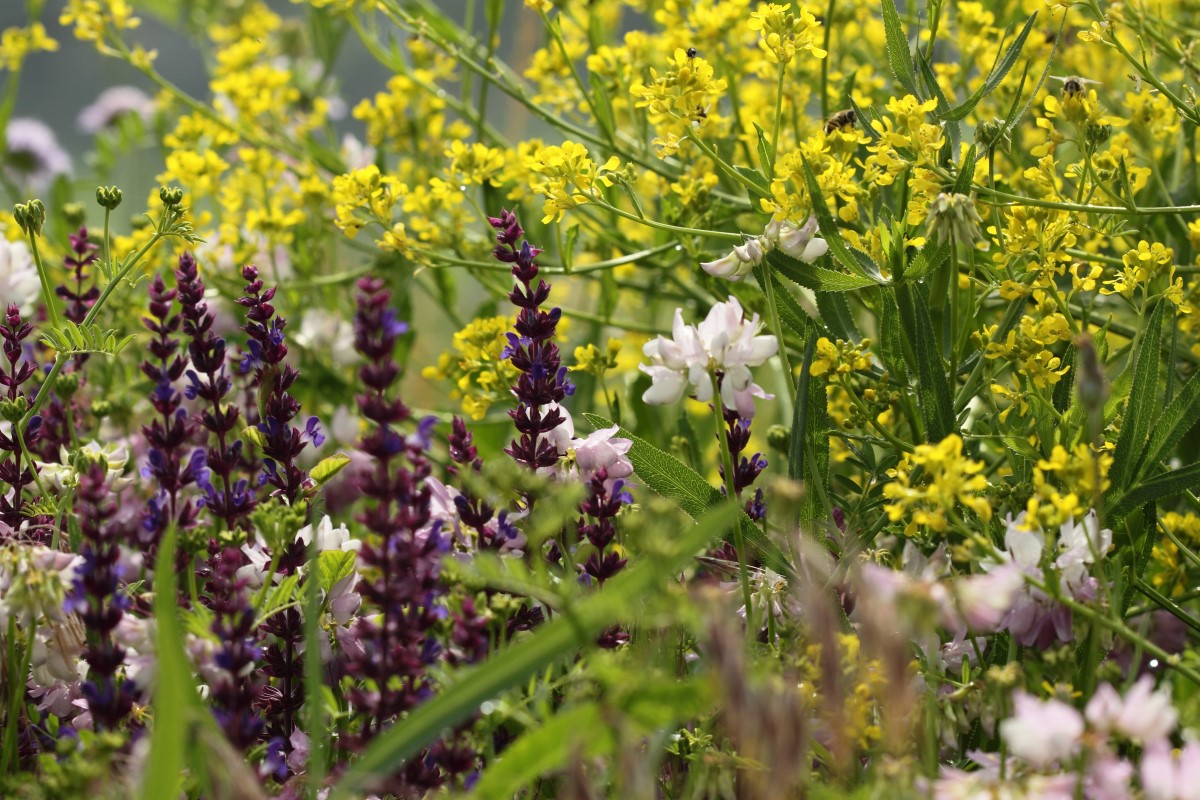
Grass with yellow flowers rename to: “Bumblebee on spring flowers in vineyard” – Felix Fornoff
Kick-off in Lund, Sweden
The first meeting with all project partners will take place to kick-off the project and will be held on 28 and 29 November in Lund, Sweden. It is an opportunity for all project partners to discuss in person how to reach the ambitious project goals. The partners will share an overview of their work packages and certain topics related to data collection and policymaking will be discussed further. Alexandra-Maria Klein is coordinator of the project and currently a guest professor at the University of Lund. She is excited to launch the multi-actor restoration project.
“The project will support land-use transformation towards biodiversity-friendly and productive landscapes across Europe.”
– Alexandra-Maria Klein
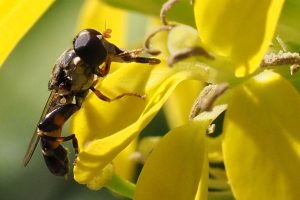
Pollinator on purple flower, rename to: “Hoverfly on purple flower” its Volucella bombylans on Thyme – Felix Fornoff
Launching RestPoll website
During the kick-off in Lund, the website for the project will also be launched: www.restpoll.eu. The website will stimulate knowledge exchange and include background information on the project and updates such as news, planned activities and milestones which have been reached.
This project has received funding from the European Union’s Horizon Europe Framework Programme under grant agreement No. 101082102.
Pollinator on yellow flower, that ok, it’s a hoverfly too (Syritta pipiens) – Felix Fornoff
Council and Parliament reach agreement on new rules to restore and preserve degraded habitats in the EU
Today, the Council presidency and European Parliament representatives reached a provisional political agreement on a regulation on nature restoration. The proposal aims to put measures in place to restore at least 20% of the EU’s land and sea areas by 2030, and all ecosystems in need of restoration by 2050. It sets specific, legally binding targets and obligations for nature restoration in each of the listed ecosystems — from agricultural land and forests to marine, freshwater and urban ecosystems.
The regulation is an integral part of the Biodiversity Strategy for 2030 and will help the EU reach its international commitments, in particular the UN Kunming-Montreal global biodiversity framework agreed at the 2022 UN biodiversity conference (COP15).
he provisional agreement will have to be endorsed and formally adopted by the co-legislators before entering into force.
Informal meeting of telecommunications, transport, energy ministers, 27 Feburary. Maria Teresa Ribera Rodriguez Minister for the Ecological Transition and Demographic Challenge, Spain. Photo: Josefine Stenersen
“We are faced with an increasingly dramatic reality: EU’s nature and biodiversity are in danger and need to be protected. I am proud of today’s indispensable agreement between the Council and Parliament on a nature restoration law, the first of its kind. It will help us rebuild healthy biodiversity levels across member states and preserve nature for the future generations, while fighting climate change and remaining committed to our climate goals.”
Teresa Ribera Rodríguez, acting third vice-president of the government and minister for the ecological transition and the demographic challenge of Spain
Scope and targets of the regulation
The new rules will help to restore degraded ecosystems across member states’ land and sea habitats, achieve the EU’s overarching objectives on climate mitigation and adaptation, and enhance food security. The regulation requires member states to establish and implement measures to restore at least 20% of the EU’s land and sea areas by 2030.
The regulation covers a range of terrestrial, coastal and freshwater ecosystems, including wetlands, grasslands, forests, rivers and lakes, as well as marine ecosystems, including seagrass and sponge and coral beds (listed in Annexes I and II). It requires member states to put measures in place, by 2030, to restore at least 30% of the habitats types listed in both Annexes that are in poor condition. Until 2030, the co-legislators agreed that member states need to prioritise Natura 2000 sites when implementing the restoration measures set out in the regulation.
Member states must also establish measures to restore at least 60% of habitats in poor condition by 2040 and at least 90% by 2050. An additional flexibility was added for very common and widespread habitats.
Non-deterioration requirement
The text includes a requirement to prevent significant deterioration of areas subject to restoration that have reached good condition and of areas where the terrestrial and marine habitats listed in Annexes I and II occur. The co-legislators agreed to make this requirement effort-based. The requirement will be measured at habitat type level.
Restoring pollinators
In recent decades, the abundance and diversity of wild insect pollinators in Europe have declined dramatically. To address this, the regulation introduces specific requirements for member states to set out measures to reverse the decline of pollinator populations by 2030 at the latest. Based on delegated acts adopted by the Commission to establish a science-based method for monitoring pollinator diversity and populations, member states will have to monitor progress in this respect, at least, every six years after 2030.
Ecosystem-specific obligations
The regulation sets out specific requirements for different types of ecosystems.
Agriculture ecosystems
The text requires member states to put measures in place aiming to achieve increasing trends in at least two of the following three indicators:
the grassland butterfly index
the share of agricultural land with high-diversity landscape features (HDLFs)
the stock of organic carbon in cropland mineral soil
It also sets timebound targets to increase the common farmland bird index at national level.
The co-legislators agreed to provide flexibility to member states when rewetting peatlands, as some will be disproportionately impacted by these obligations. The text sets targets to restore 30% of drained peatlands under agricultural use by 2030, 40% by 2040 and 50% by 2050, although member states that are strongly affected will be able to apply a lower percentage. Restoration measures include the rewetting of organic soils constituting drained peatlands, which helps increase biodiversity and reduce greenhouse gas emissions. The co-legislators also agreed that the achievement of the rewetting targets does not imply an obligation for farmers and private landowners.
Forest ecosystems
Under the agreed text, member states will be required to put measures in place to enhance the biodiversity of forest ecosystems and achieve increasing trends at the national level of certain indicators, such as standing and lying deadwood and the common forest bird index, taking into account the risk of forest fires.
The co-legislators also added a provision calling on member states to contribute to the planting of at least three billion additional trees by 2030 at the EU level.
Urban ecosystems and river connectivity
For urban ecosystems, the Council and Parliament agreed that member states should achieve an increasing trend in urban green areas until a satisfactory level is reached. They also agreed that member states should ensure that there is no net loss of urban green space and urban tree canopy cover between the entry into force of the regulation and the end of 2030, unless urban ecosystems already have over 45% of green space.
The provisional agreement includes an obligation for member states to identify and remove man-made barriers to the connectivity of surface waters, in order to turn at least 25 000 km of rivers into free-flowing rivers by 2030, and maintain restored natural river connectivity.
National restoration plans
Under the new rules, member states must regularly submit national restoration plans to the Commission, showing how they will deliver on the targets. They must also monitor and report on their progress.
The co-legislators opted for a stepwise approach. Member states would first submit national restoration plans covering the period until June 2032, with a strategic overview for the period beyond June 2032. By June 2032, member states would submit restoration plans for the ten years until 2042 with a strategic overview until 2050, and by June 2042 they would submit plans for the remaining period to 2050.
The text allows member states to take into account their diverse social, economic and cultural requirements, regional and local characteristics and population density, including the specific situation of outermost regions, when establishing their plans.
Financing restoration measures
The provisional agreement introduces a new provision tasking the Commission with submitting a report, one year after the entry into force of the regulation, with an overview of the financial resources available at EU level, an assessment of the funding needs for implementation, and an analysis identifying any funding gaps. Where appropriate, the report would also include proposals for adequate funding, without prejudging the next multiannual financial framework (MFF, 2028–2034).
The co-legislators also agreed to introduce a provision encouraging member states to promote existing private and public schemes to support stakeholders implementing restoration measures, including land managers and owners, farmers, foresters and fishers. The text also clarifies that national restoration plans do not entail an obligation for countries to re-programme the common agricultural policy (CAP) or the common fisheries policy (CFP) funding under the 2021–2027 MFF in order to implement this regulation.
Review and emergency brake
The provisional agreement sets the date of 2033 for the Commission to review and assess the application of the regulation and its impacts on the agricultural, fisheries and forestry sectors, as well as its wider socio-economic effects.
The text also introduces a possibility to suspend the implementation of those provisions of the regulation related to agricultural ecosystems for up to one year via an implementing act, in the event of unforeseeable and exceptional events outside of the EU’s control and with severe EU-wide consequences for food security.
The infographic presents the state of nature in the EU based on the latest scientific reports. See full infographic
Next steps
The provisional agreement will now be submitted to the member states’ representatives within the Council (Coreper) and to the Parliament’s environment committee for endorsement. If approved, the text will then need to be formally adopted by both institutions, following legal-linguistic revision, before it can be published in the EU’s Official Journal and enter into force.
Background
The European Commission proposed a nature restoration law on 22 June 2022, under the EU biodiversity strategy for 2030, which is part of the European Green Deal. Over 80% of European habitats are in poor shape. Past efforts to protect and preserve nature have not been able to reverse this worrying trend.
This is why, for the first time ever, the proposal sets out to adopt measures to not only preserve but to restore nature. The proposal aims to improve the state of nature by setting binding targets and obligations across a broad range of ecosystems on land and at sea.
Member states would have to put in place effective and area-based restoration measures in order to reach the ecosystem-specific targets. In order to assess the measures, member states would have to plan ahead by developing national nature restoration plans, in close cooperation with scientists, interested stakeholders and the public. The proposal would also define biodiversity indicators to measure progress.
The Council reached an agreement (‘general approach’) on the proposal on 20 June 2023 at the Environment Council meeting, while the European Parliament adopted its position on 12 July.
Using a computer model, evolutionary biologists at the HUN-REN Centre for Ecological Research — including András Szilágyi, Tamás Czárán, and Mauro Santos, under the leadership of Eörs Szathmáry, a member of the Hungarian Academy of Sciences — have demonstrated that under the right circumstances, senescence can support the response to the directional selection and assist the adaptation to the changed environmental factors. The study’s findings were featured in a paper published in the journal BMC Biology. Senescence is therefore not necessarily an adverse by-product of natural selection but can also be advantageous for organisms. This represents major progress in explaining senescence, which remains one of the greatest unsolved problems in evolutionary biology.
The mystery of aging has fascinated people for millennia, with many willing to do anything to halt or reverse this process, because aging is typically associated with gradual deterioration of most body functions. While senescence is a natural part of life, biologists understand surprisingly little about the emergence of this process during evolution. It is not clear whether aging is inevitable, because there are organisms that seemingly do not age at all, moreover, the phenomenon known as negative aging, or rejuvenation, does exist: some turtles’ vital functions improve with age.
Researchers of the Institute of Evolution led by Academician Eörs Szathmáry have endeavoured to prove the validity of a previously proposed but still unproven theory of aging. The theory suggests that under the right circumstances, evolution can favour the proliferation of genes controlling senescence.
To test the hypothesis, the researchers used a computer model they had developed. This model is an algorithm capable of simulating long-term processes in populations of organisms and genes under circumstances controlled by the scientists. Essentially, with such models, evolutionary scenarios can be run, yielding results in a few hours rather than over millions of years. Modern evolutionary research would be inconceivable without computer modelling.
The fundamental question of the research was simple: Is there any meaning of aging? Does it serve any evolutionary function, or is it indeed a bitter and fatal by-product of life? “Aging can have an evolutionary function if there is a selection for senescence. In our research, we aimed to uncover this selection”, says Eörs Szathmáry. “According to classical explanations, aging emerges in the populations even without selection. That is because individuals would die sooner or later without aging as well (as a consequence of illness or accidents), therefore the force of natural selection in the population would get weaker and weaker. This creates an opportunity for the genes which have an adverse effect for chronologically old individuals (thus causing senescence) to accumulate. Which would mean aging is only a collateral consequence of evolution and has no adaptive function.”
During the last century, using different biological mechanisms, several evolutionary theories were formulated for the explanation of inevitable aging, which has no positive function. Several scientists accepted this assumption as fact, but when non-aging organisms were discovered, more and more researchers questioned the inevitability of senescence, and suggested perhaps aging could have some advantages as well.
“It has become accepted in the evolutionary biology community that the classical non-adaptive theories of aging cannot explain all the aging patterns of nature, which means the explanation of aging has become an open question once again”, says Szathmáry. “Alternative adaptive theories offer solutions for this problem by suggesting positive consequences of senescence. For example, it is possible that in a changing environment, aging and death are more advantageous for individuals, because this way the competition, which hampers the survival and reproduction of the more adaptable progeny with better gene compositions, can be decreased.”
However, this scenario holds true only if individuals are predominantly surrounded by their relatives. Otherwise, during sexual reproduction the non-aging individuals “steal” the better (that is better suited for changed environment) genes from the members of the aging population, and therefore the significant senescence disappears.
After running the model, the Hungarian biologists found that aging can indeed accelerate evolution. This is advantageous in a changing world because the faster adaptation can find the adequate traits more quickly, thereby supporting the survival and spread of descendent genes. This means that senescence can become a really advantageous characteristic and be favoured by natural selection.
Eörs Szathmáry is an evolutionary biologist, a member of the Hungarian Academy of Sciences, and the chairman of the Sustainable Development Committee of the Hungarian Academy of Sciences. In his research, he studied and modeled many evolutionary processes from the origin of life to the development of human language skills. His book, The Major Transitons in Evolution, co-authored with John Maynard Smith, is considered a cornerstone of modern evolutionary biology.
The Centre for Ecological Research is organising a Citizen Science Conference and Workshop on 18-19 January 2024. The main purpose of the SEEN (Social Engagement in Ecology Network) conference is to create a genuine connection between Hungarian community science projects and the researchers involved. The conference will be followed by workshops, in order to provide an opportunity for more detailed scientific discussion. The conference will take place at the Öreg-tó Hotel and Event Center. The conference will be held in English.
Date: 18-19 January 2024. Location: Tata Application deadline: 10th of December, 2023 Registration and further information:https://forms.gle/djMRbs91sKHRduwg6
Presentations and workshops
The titles and abstracts of the presentations can be submitted on the application form. We will try to include everyone, but in case of over-registration, priority will be given to those who submit their application early. The duration of the presentations will be determined when the scientific programme is finalised, but we plan with presentations of approximately 15 minutes.
Proposals for workshop topics are also welcome via the application form. We are serious about the title of the conference (SEEN, Social Engagement in Ecology Network). Our main goal is to launch a network of citizen science researchers, where real collaborations could form around common themes and common goals. For the workshops we are therefore looking for topics that are potentially relevant to any citizen science project. These could be strategic or methodological issues, or even broad scientific questions that require cross-project collaboration. From the proposals received, the scientific committee will select the final workshop topics.
Accommodation and meals
Please make your accommodation and meal reservations individually with the venue. Unfortunately we are not in a position to charge a registration fee, and the hotel will only accept bookings from those who will make the payment.
During the conference, the hotel will only be open to participants, so reservations can be made by emailing recepcio@oregtohotel.hu by 15 December, indicating that the reservation is for the conference. Further information on accommodation can be found on the Old Lake Hotel website.
The room price includes a breakfast buffet. In addition, a buffet lunch and dinner can be requested at a price of HUF 6900 per person per meal. (We would appreciate if the meals could provide an opportunity for further discussions!) Meals can be requested together with (or in the same way than) the accommodation, emailing recepcio@oregtohotel.hu.
Conference organisers: László Zsolt Garamszegi and Zsóka Vásárhelyi
Scientific committee: Gábor Földvári, Attila Lengyel, Zsuzsanna Márton, Zoltán Soltész, Beáta Szabó, Éva Szabó and Tamara Szentiványi.
An international team of researchers has developed a new theoretical framework that bridges physics and biology to provide a unified approach for understanding how evolution and complexity emerge in nature. This new work on “Assembly Theory,” was published on October 4th in Nature.
As Dániel Czégel, the co-first author of the paper from Arizona State University and the Institute of Evolution at the Centre for Ecological Research in Budapest explained, “we have a language for physics, a language for chemistry, and a language for biology and evolution, but they are almost mutually incomprehensible, like as if we were at the early days of Babel. This makes the transition between them very difficult to study. We need something like a lingua franca of medieval port towns, to bridge cultures and languages. But these lingua francas often turn to fully developed languages, separate from their ancestors. Assembly theory is neither physics or chemistry or biology but a mathematical language to talk about historically contingent systems, systems where the existence of current forms are strongly determined by what existed in the past, like the products of biological or technological evolution. It turns out that a coordinate system for such complex objects are nothing like a coordinate system in physics, but it’s more like a space determined by combinatorics and recursivity. The most peculiar thing is that an object is not a point but a series of causes and effects, like a story of the origin of the object. And it’s not even the “real” history, but a fictional one, like an origin myth, but it’s mathematically well-defined within the assembly universe. It’s a counterfactual causal history. But then when we treat objects as their own fictional origin story, we can start to talk about the entangled web of stories of all objects and measure things like the amount of selection and historical contingency that caused those objects to exist. It’s a bit like the particle-wave duality of quantum physics, but for complex objects: sometimes it’s better to think of them as three dimensional structures, sometimes as interrelated construction histories. We have to speak the language of this coordinate system if we assume that life that we’d like to make in the lab or life elsewhere in the universe are not like ours, chemically.”
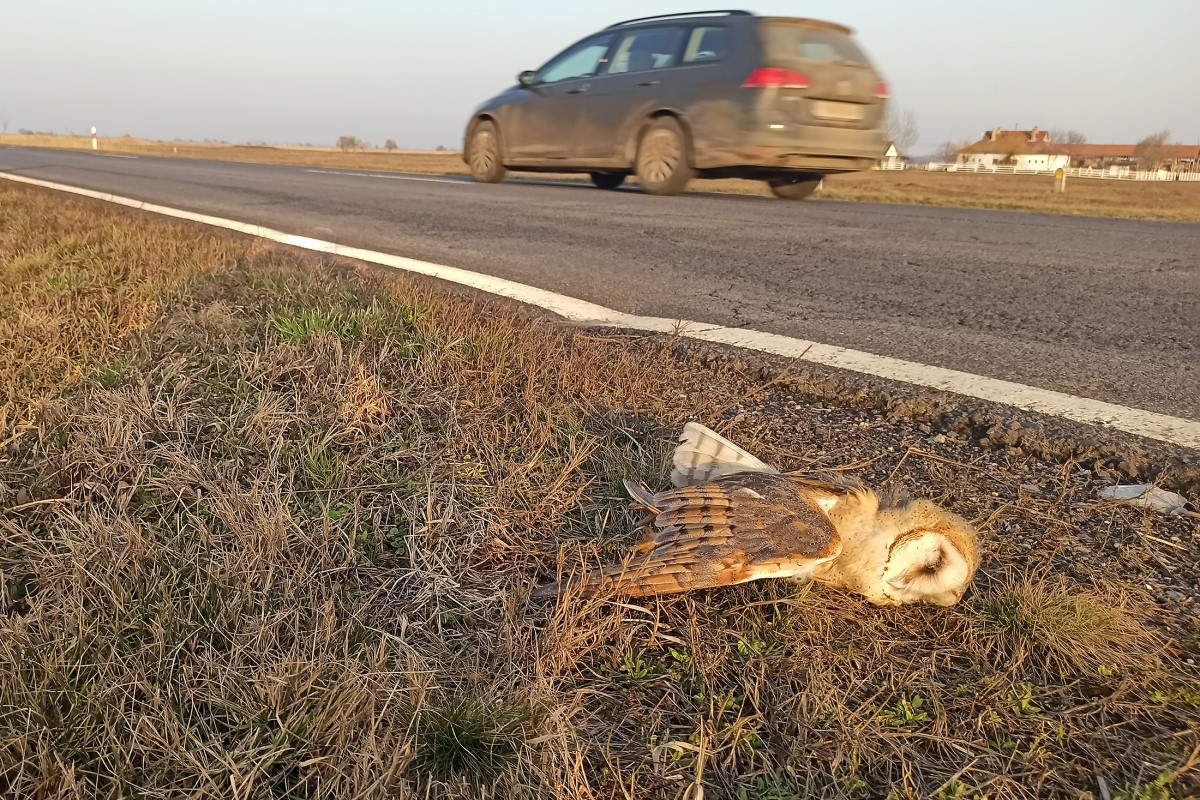
The members of the ‘Lendület’ Seed Ecology Research Group of the ELKH Centre for Ecological Research (CER) examined the human factors behind animal-vehicle collisions through a questionnaire survey. The researchers pointed out that there are significant correlations between the frequency of collisions, driver attitudes, and driving habits. The paper presenting the results was published in the Journal of Environmental Management.
The rapidly developing road network places a significant burden on terrestrial ecosystems, increasing the number and severity of conflicts between humans and wildlife, which are most often manifested in animal-vehicle collisions. Collisions with animals raise serious problems from both a conservation and traffic safety perspective. If we want to express this in numbers, it can be said that hundreds of millions of vertebrate animals are victims of vehicle collisions worldwide every year. This results in significant financial damage and personal injury. The problem is not new, researchers have been aware of it for decades, and numerous studies have been conducted. Most of these were based on field surveys. With their help, a list of affected species was compiled, conservation damage estimated, and “hotspots” identified, i.e., road sections where the frequency of collisions is higher than average.
“Our research is novel in that it targets the social strata traveling on the road, so it captures the problem from the other end. The experience and opinions of drivers contain a lot of useful information for accident prevention, which can be collected and evaluated in this way,” explained Sándor Borza, one of the first authors of the article, a PhD student in the Cooperative Doctoral Program.
It is very important to consider how interested the affected social stratum is in the topic, how conservation or financial damage affects them, and what solutions they consider good or acceptable to reduce the problem.
“Many people were interested in the survey, a total of 2123 people completed our questionnaire, which is an outstanding number worldwide!” emphasized Sándor Borza. “We were curious about what animals drivers had hit during their lifetime, whether they had suffered financial damage, and, most importantly, whether their driving habits and attitudes affected the likelihood of collision.”
The researchers found that nearly half of drivers have had at least one collision with an animal during their lifetime and one in four drivers suffered property damage as a result. Male drivers, drivers who cover longer distances annually, use secondary roads more frequently, and drive larger vehicles were more likely to collide with animals. However, driving style, whether someone drives slower or more dynamically, did not affect the likelihood of an animal-vehicle collision. “This does not mean that the two things are not related at all, as research supports that at certain speeds, it is not possible to slow down enough to avoid a collision,” added Sándor Borza. The drivers’ attitude towards the importance of nature conservation and traffic safety in relation to animal-vehicle collisions was significantly influenced by whether they had hit something before in their lives. More than a third of drivers shared their opinions on possible ways to improve traffic safety. The most popular form of action was the installation of protective devices (wildlife fences, wildlife crossings), but many also pointed out the usefulness of warning signs and the greater responsibility of hunting associations, including control of the number of large game animals.
Alkaline soda pans of Hungary are special representatives of inland saline waters in the interior of the continents. The largest number of soda pans in Eurasia is found in the Carpathian Basin, and these lakes are also important resting and feeding areas for migratory birds in the European-African bird migration routes. Evidence is mounting that globally, aquatic habitats and waterbird populations are being rapidly declined by the land-use and land cover changes of recent decades (drainage, run-off), and climate change: rising temperatures and changing rainfall patterns. Waterbird populations play an important role in trophic- and host-parasite networks, and their cultural and recreational role is also important, but as bird populations and habitats decline, these ecological services are also declining.
Emil Boros, Senior Research Fellow at the Centre for Ecological Research, Institute of Aquatic Ecology, has been studying the interaction between waterbird populations and soda pans for many years. In an earlier publication in the Science of the Total Environment they found that waterbirds contribute high phosphorus loading (P) to the shallow saline lakes through their droppings, i.e. birds act as vectors of external phosphorus sources, a process called guanotrophication (bird-induced nutrient enrichment). Waterbirds, such as large-bodied herbivores (goose and duck species) and medium-bodied omnivores (e.g. gulls) have been shown to be 64% responsible for the extremely high phosphorus content of natural soda pans. However, it was also found that, the hypertrophic state of water was in contradiction with the limited primary production of natural soda pans due to the characteristics of the lakes: shallow water depth, high alkalinity (PH ≥ 9), and intermittent hydrological cycle.
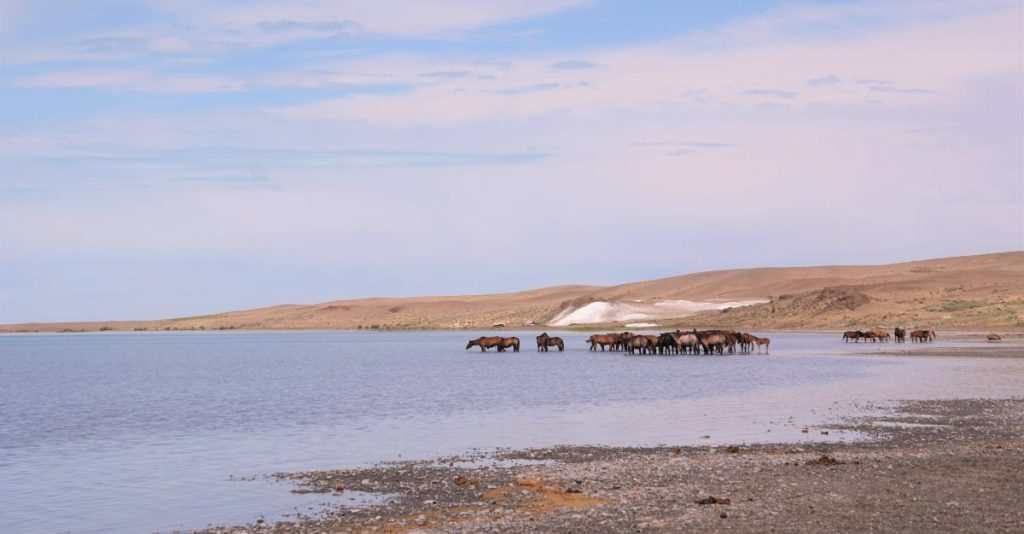
Lake Balkhash
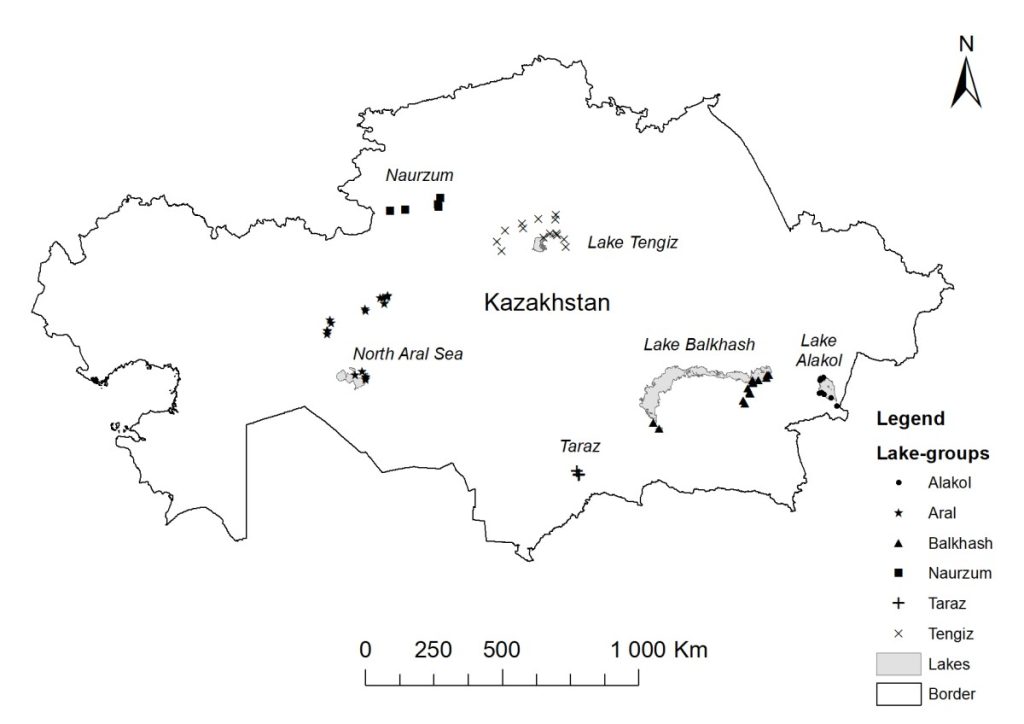
In a further investigation about the interaction between inland saline aquatic ecosystems and waterbirds the aim was to show whether the ecological/trophic attributes of saline water bodies could be predicted on multi spatial-scales by different groups (guilds) of waterbirds. Also published in the prestigious journal Science of the Total Environment, Emil Boros and colleagues studied a vast area of 1700 km by 1000 km at different spatial scales in the steppe and semi-desert region of Kazakhstan, where 63 sample area were selected. Nearly 100 waterbird species occurred in the sample areas and were classified into three groups according to their role in nutrient cycling and nutrient turnover: net-importers (large herbivores e.g. geese, cranes), importer-exporters (omnivorous ducks and gulls) and net-exporters (various herbi-, omni- and piscivorous species), based on Boros’s classification method. The abundance, biomass and diversity of these bird groups (guilds) were compared with the attributes of the inland waters on multi spatial scales e.g. water depth, chlorophyll content, and at larger spatial scales, with the land cover data found in the 1 and 10 km radius around the ponds e.g. grassland or agricultural land.
Their results showed that the occurrence of the above waterbird groups was strongly correlated with the attributes of the saline aquatic ecosystems on multi-spatial scale. Water cover and salinity are the main attributes predicting of the type of bird group that occurs in a given environment. The importer-exporter and net exporter bird groups showed positive correlations with productivity metrics and water depth of the waters, while the importers were predicted by the surrounding pond environment e.g. grassland.
The practical significance of this study is that it quantifies this ecosystem services provided by waterbirds, their role in nutrient cycling, which is essential for systematic monitoring and habitat management. The classification system and methodology described in this study can be used to estimate certain environmental attributes of inland water bodies for large geographic regions by counting waterbird populations. In the future, this will provide an opportunity to use birds to estimate ecosystem function and services of aquatic systems, which in turn will require further methodological studies.
Publications:
Emil Boros, Zarina Inelova, Zsuzsanna Lánczos, Zsolt Végvári: Waterbird guilds predict environmental attributes of inland saline aquatic ecosystems on multi-spatial scales,
Science of the Total Environment, Volume 855, 2023.
https://doi.org/10.1016/j.scitotenv.2022.158845. https://www.sciencedirect.com/science/article/pii/S0048969722059447
Emil Boros, Anita Takács, Péter Dobosy, Lajos Vörös: Extreme guanotrophication by phosphorus in contradiction with the productivity of alkaline soda pan ecosystems,
Science of the Total Environment, Volume 793, 2021.
https://doi.org/10.1016/j.scitotenv.2021.148300. https://www.sciencedirect.com/science/article/pii/S0048969721033714
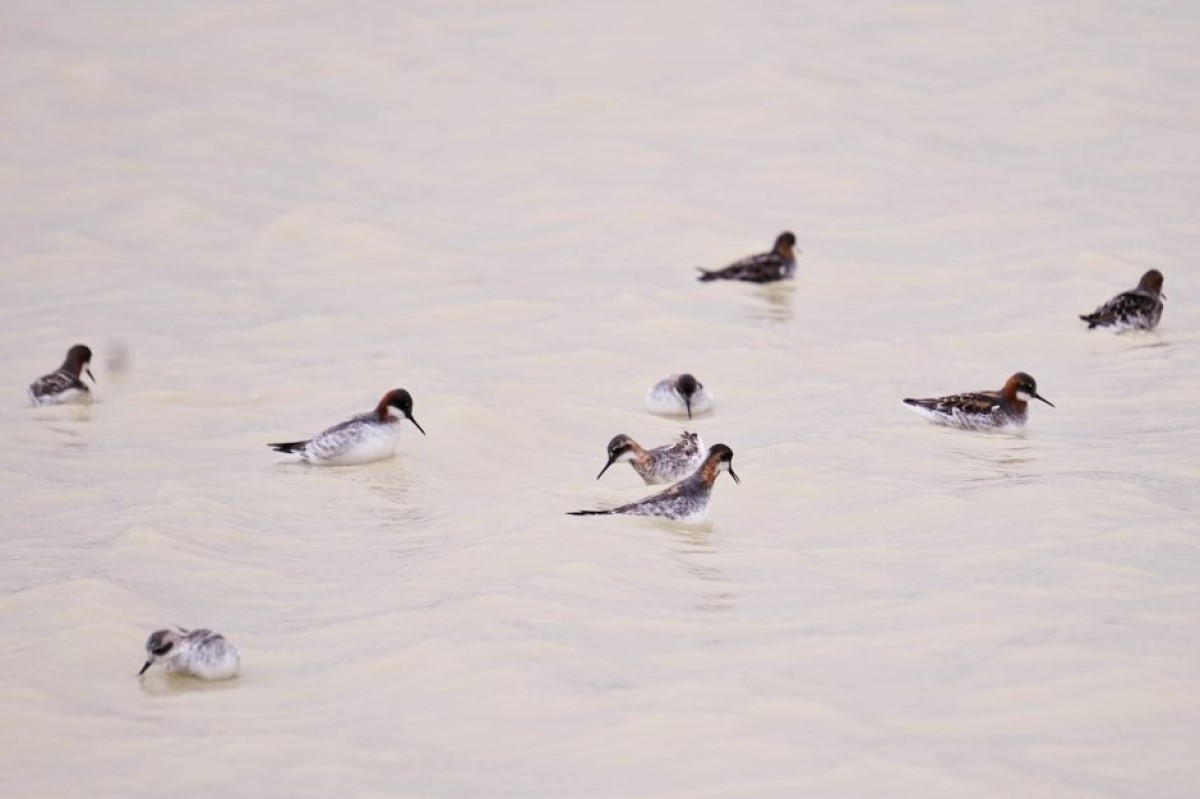
Photos: Emil Boros – Red-necked Phalarope and Lake Balkas
ANDRÁS BÁLDI, Corresponding Member of the Hungarian Academy of Sciences, Research Professor at the Centre for Ecological Research, held his inaugural lecture on 14 February 2023 in the Great Hall of the Hungarian Academy of Sciences.
Title: Biodiversity and ecosystem services: from fieldwork to policy
Biodiversity has declined over the past decades. Recognition and understanding the patterns and processes of ecosystems and thus halting their degradation is essential for human-wellbeing. One of the main reason of biodiversity loss is the transformation of original natural habitats leaving only small isolated patches of remnants in human-dominated landscapes. These patches of habitats are subject to the species-area relationship, one of the few laws of ecology. The proportion of interior and edge habitats is also decreasing. All these are reflected in the presence of species and individuals, but natural patterns and processes can be affected by human interference. Patches of natural habitats are surrounded by human-dominated land, mostly agricultural land which may still have significant biodiversity values. Fundamental questions remain to be answered, such as what is the impact of farming and landscape structure on biodiversity and the ecosystem services? Research results ensure essential information to nature-friendly management practices in order to help effective conservation of biodiversity. The next step towards practice is to integrate research results into policy. This step involves a number of processes and institutions in which researcher’s participation is a key.
András Báldi presented the existence of human influence overriding the species-area relationship, and the positive but species-specific effect of habitat edges on bird abundance and the negative effect of habitat edges on the survival of nestlings. Over many years, the biodiversity of many agricultural habitats has been studied, including plants, grasshoppers and related insects , ground beetles, bugs, cicadas, bees, wasps, birds, and has shown that the species richness of the natural habitat in Hungary is significantly higher than in other intensively farmed countries. To conserve this richness, context-dependent management – e.g. local habitat, landscape, taxon – is required. In their landscape-scale experiments launched in recent years, the most effective management options are investigated by creating wildflower plots and overplanting fallow land, from which both the farmer and biodiversity can benefit. Finally, he outlined how research results can be translated into policy and decision-making and what is the role of researchers in it at international level.
Photo: mta.hu/ Tamás Szigeti
András Báldi, research professor of the Centre for Ecological Research and a corresponding member of the Hungarian Academy of Sciences, has been elected Head of the Organismic and Evolutionary Biology Section of the Life Sciences Division of the Academia Europaea, a leading European research community.
Founded in 1988, the Academia Europaea (AE) (European Academy of Sciences) has around 5,000 members, including 83 Nobel laureates. The AE’s objectives include promoting and disseminating the results of European research, fostering interdisciplinary and international research cooperation, and raising public awareness of scientific results.
“The Academia Europaea resembles the academies of the old days, the “learned societies”. It has a staff of just a few people, so every activity initiated and carried out by its members. A series of seminars, conferences and peer-reviewed papers are indicative of this. The Section of Organismic and Evolutionary Biology is one of the smallest, with 139 members. However, it has a total of eight distinguished Hungarian members from several institutions in the country” – told András Báldi to mta.hu.
András Báldi’s term of office is three years from 1 January 2023. He said that his election was partly due to his experience in leading international societies and partly to the fact that has practice in mediating between science and policy. The latter is also important because one of the main objectives of the section is to provide useful advice to EU decision-makers.
“To this end, my aim is to complement the membership by involving European leaders in highlighted research field,” he said. “In addition to professional excellence, we also take into account the need to strike the right balance between gender, countries and disciplines. In other words, it is not mechanistically the science metrics that matter, but whether the candidate excels in their particular situation.”
András Báldi said there is a sense that climate change and the crisis of biodiversity loss are increasing the weight of ecology, both in scientific research and in international scientific organisations.
He cited as an example the fact that the Global Risks report for the World Economic Forum in Davos included climate change and biodiversity loss among the six environmental problems that are estimated to be the greatest threats over the next 10 years. “A working group on environmental sustainability has also been set up within Academia Europaea.”
The members of the ‘Lendület’ Seed Ecology Research Group of the Centre of Ecological Research followed the vegetation dynamics of artificially created grassland patches for several years. The researchers found that in the course of grassland-restoration the efforts at the beginning pay off: the simultaneous sowing of grasses and forbs in fallow lands leads to the development of species-rich grassland communities and efficient weed control.
The aim of ecological restoration is to recreate something lost or deteriorated. Grassland restoration aims to recreate grassland ecosystems and communities. In many cases recreation of the original ecosystem is not a possibility, but restoration still can help to cover landscape scars created by human activities. Restored grasslands not only improve landscape aesthetics but offer many different ecosystem services as well (e.g., forage for the livestock, nectar for pollinators, effective carbon capture and storage, and soil erosion control).
When grassland restoration is done with seed sowing, the success of restoration depends on many factors, such as the identity of sown species, the timing of sowing, the quantity, quality and proportion of sown seeds. In the current study the researchers aimed to find the best timing to sow grasses and forbs to achieve the highest possible species richness, to enhance forb-establishment and to hamper weed encroachment.
„The matrix of the grasslands is composed by grasses. Previous works found that sowing grass seeds certainly results in a closed grass sward within a few years, and also hampers weed encroachment. That is why grass sowing is preferred in landscape-scale restoration works. But it also has its feedbacks: the new grassland will be species-poor, as the closed grass sward hampers the establishment of other grassland species.” – explained Réka Kiss, the first author of the manuscript published in the Nature- Scientific Reports.
To create species-rich grasslands the use of diverse forb seed mixtures is needed. However, the compilation or production of such seed mixtures requires more efforts (seeds of more species are needed in good quality and high quantity). Due to these reasons diverse seed mixture is less likely to be used in the early stages of restoration. In later stages, however, it will need more effort from the practitioners to secure the successful establishment of species.
„We were curious of the most suitable timing: If we want to sow both grasses and forbs in a fallow for a species rich grassland, which is the time-lag when with the least effort we can achieve the most?” – explained Réka Kiss – „At the beginning of the experiment we created 36 patches in a recently abandoned land. We sow exclusively grass seeds, exclusively diverse forb seed mixture (20 species) or both of them into the patches. When we combined the grass with the forb seed mixture we sown them simultaneously (at the same time), or the diverse seed mixture was sown with a delay of 1, 2 or 3 years.”
Following the development of the patches for several years the researchers found that the best results were achieved when seeds were sown simultaneously, without time-lag. In such patches the species richness of species was the highest, the weeds were less successful and the establishment success of sown forb species was the highest. This is the most cost-effective and most successful method among the studied sowing regimes. If simultaneous sowing is not a possibility, sowing forbs one year later than grasses is still effective. However, after one year the advantage received by grasses cannot be outcome by the forbs, their successful establishment in later stages can be promoted only by active interventions.
Tamara Szentiványi, a research fellow in the Evolutionary Ecology Research Group of the Centre for Ecological Research, has been awarded a two-year AXA Fellowship research grant.
Since its launch in 2008, the AXA Research Fund has supported transformative scientific research on major global risks and the dissemination of research results. The Fund supports projects in the fields of health, environment, new technologies and socio-economic issues. The AXA Research Fund’s Scientific Panel is currently supporting eight research projects in the Field of Climate Change and Health, including Dr. Tamara Szentiványi’s project on „Effects of climate change on the eco-epidemiology of zoonotic arbovirus infection in avian hosts”.
In her awarded research project, Dr. Tamara Szentiványi will analyse the current distribution and public health risk of avian arboviruses, which can spread zoonotic diseases, and improve current surveillance methods to monitor vector-borne diseases.